01 Problem 02 Research 03 Synthesis 04 User Flows 05 Final UI 06 Impact
Live · Product Design

Simplifying rentals & property management across Africa.

Rezidant replaces fragmented tools, manual processes, and endless back-and-forth communication with a single, connected platform that brings tenants, landlords, and property managers into one shared experience — from discovery through long-term management.

Product Design Design Systems Team Leadership
Visit Live Site
Year2025 — Ongoing
CompanyRezidant
RoleLead Product Designer
Team2 Designers
StatusLive
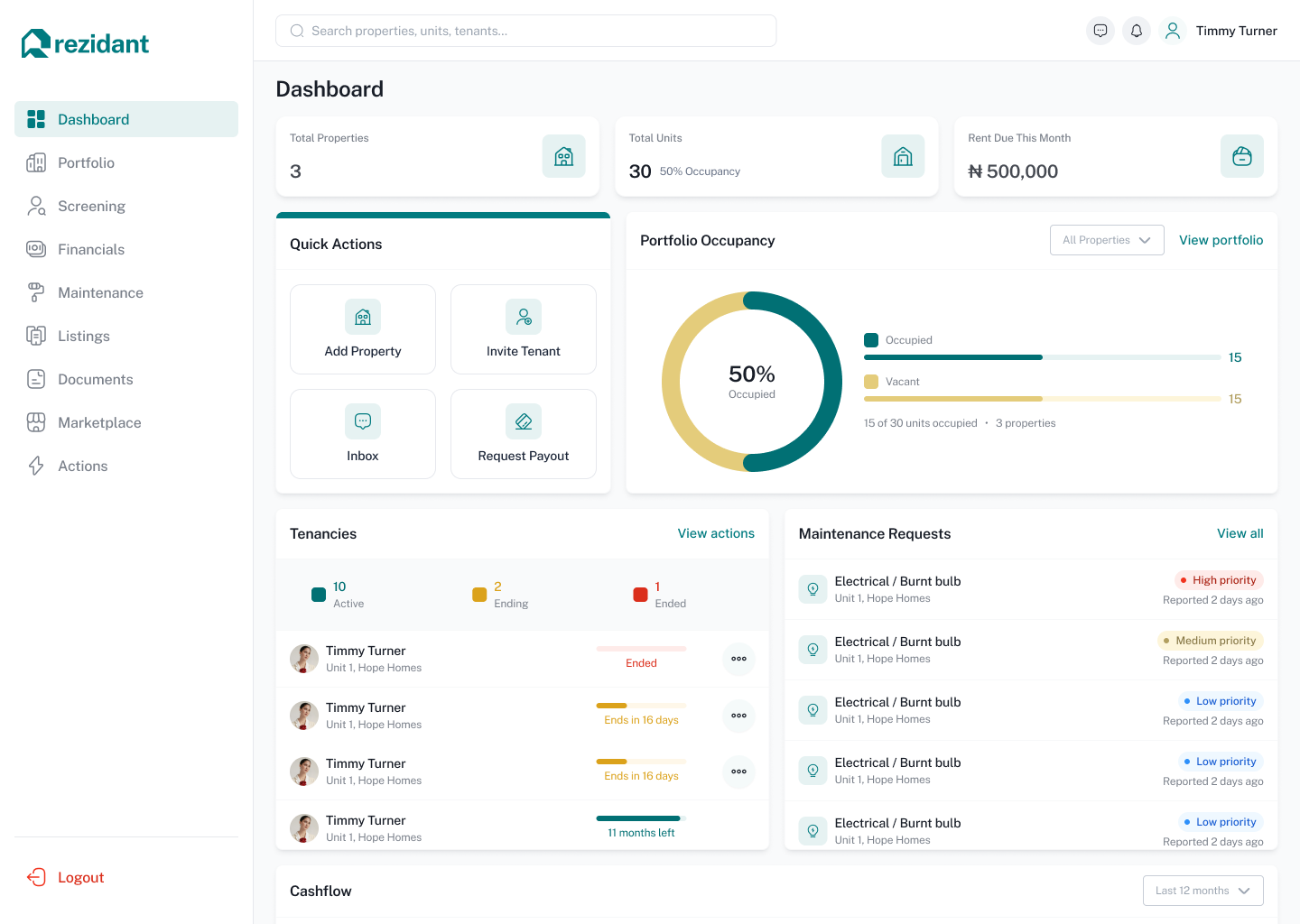
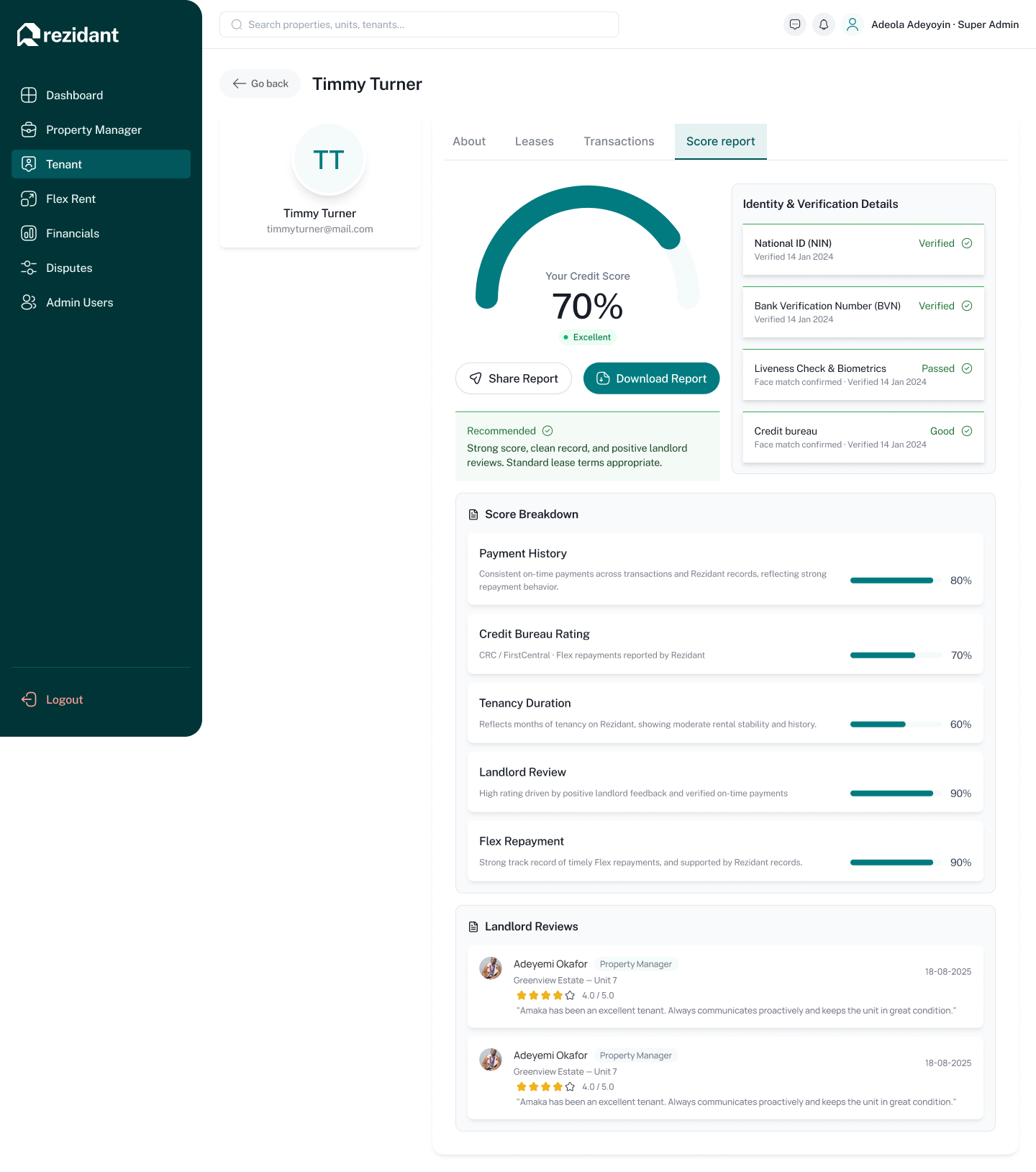
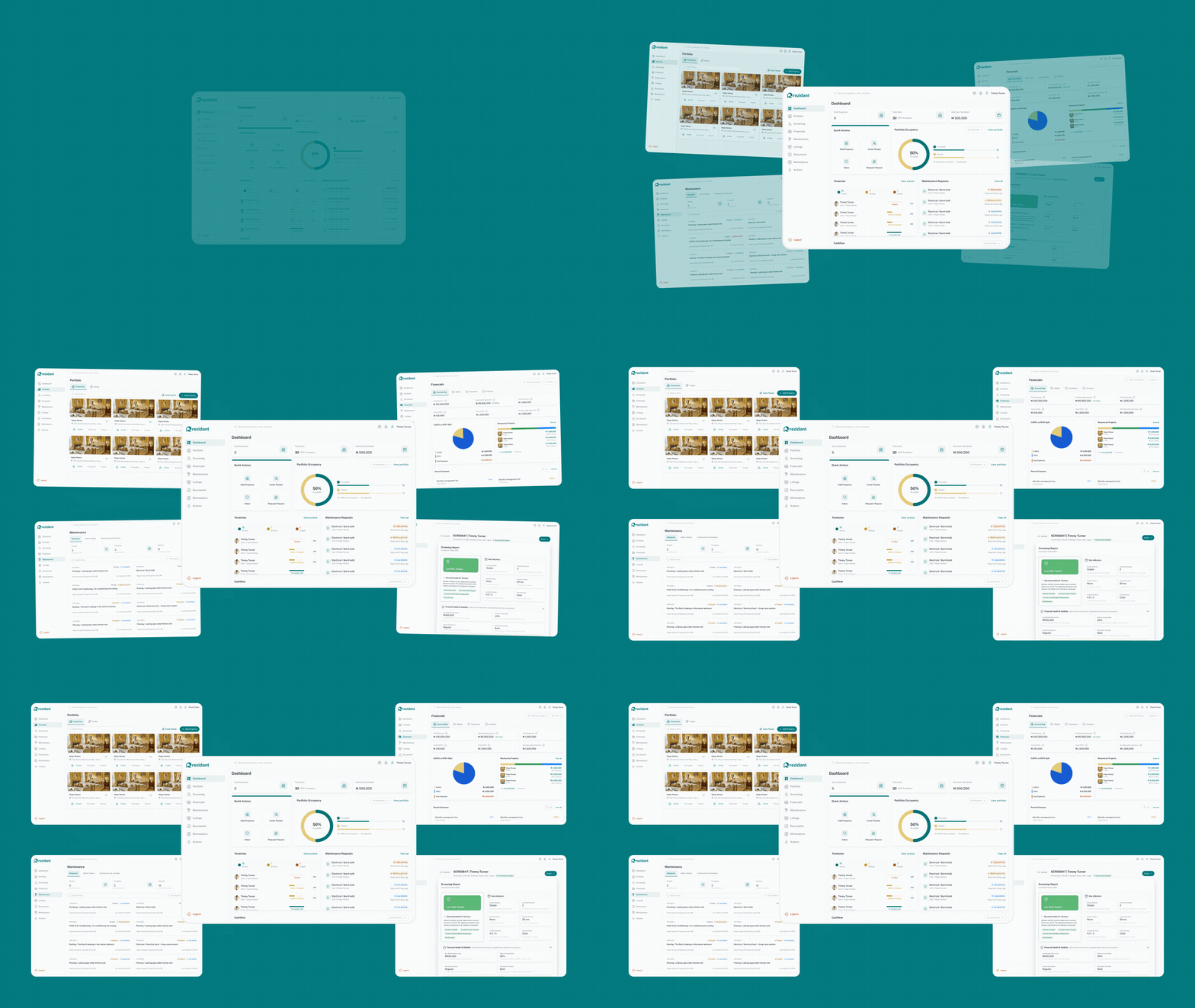
Rezidant product screens animating across admin, property manager, and tenant dashboards
01

The Problem

Renting and property management workflows are often messy and inefficient.

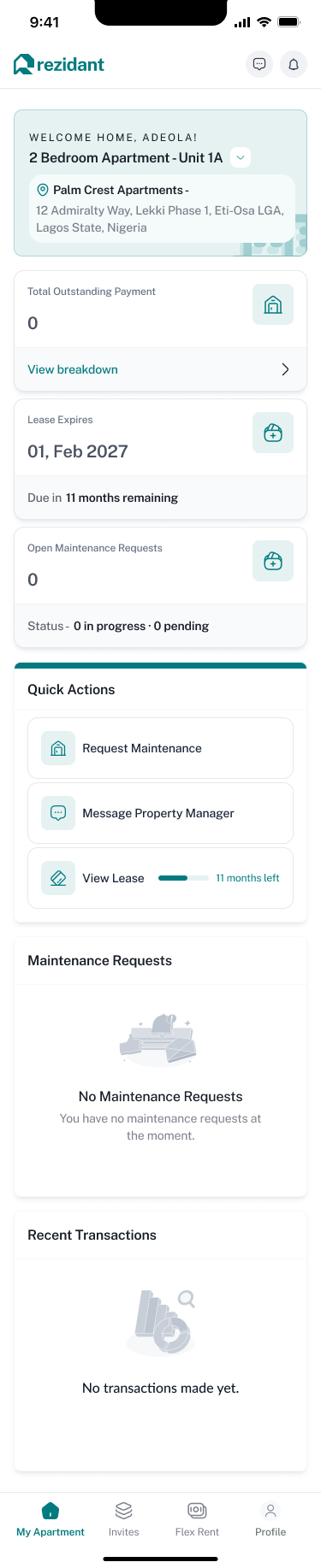
Tenants struggle to find verified listings, track payments, or get updates on maintenance issues. Landlords manage listings and tenant communication with little visibility or structure. Property managers deal with manual records, poor communication, and limited insight into their portfolios.

These disconnected experiences lead to delays, misunderstandings, and unnecessary stress for everyone involved.

  • Centralizes property and tenant information
  • Improves communication across all stakeholders
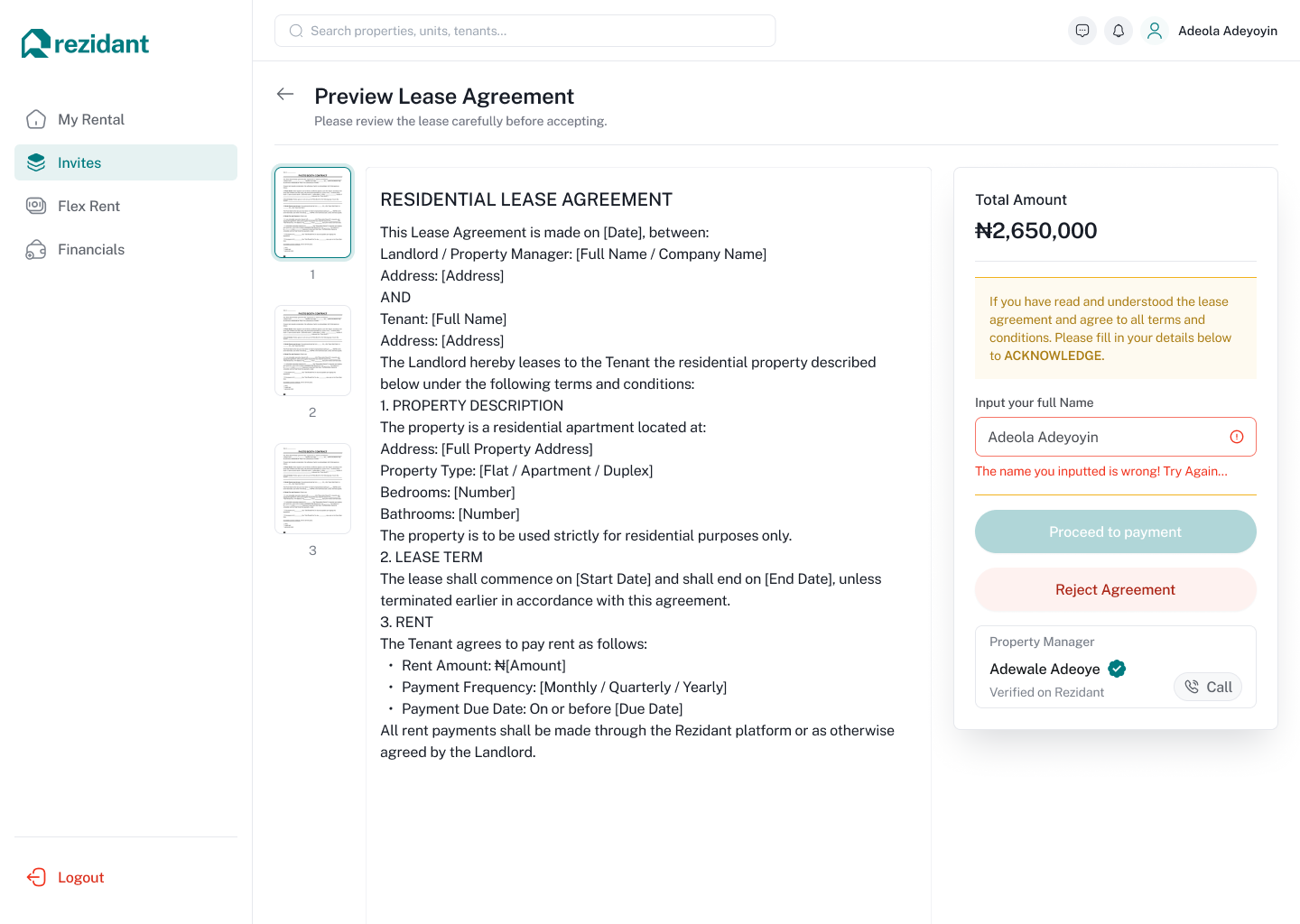
  • Simplifies payments, leases, and maintenance tracking
  • Provides real-time visibility and insights
  • Remains intuitive and easy to use, regardless of role
02

Research

To get past assumptions about what tenants, landlords, and property managers actually needed, I started with direct conversations rather than a single stakeholder's view of the problem.

I ran in-person interviews across all three user types: 2 tenants, 2 property managers, and 1 landlord, each walking through how they currently handle rent, leases, maintenance, and communication. That was paired with a review of comparable rental and property management platforms already on the market, and with domain knowledge from working inside the property management space day to day.

  • In-person interviews: 2 tenants, 2 property managers, 1 landlord
  • Competitive review of existing rental & property management platforms
  • Domain knowledge from working directly in the property management space
03

Synthesis

The interviews split cleanly into two sets of friction, one for landlords and property managers, one for tenants. Mapping out each group's current-state journey made the priority order clear.

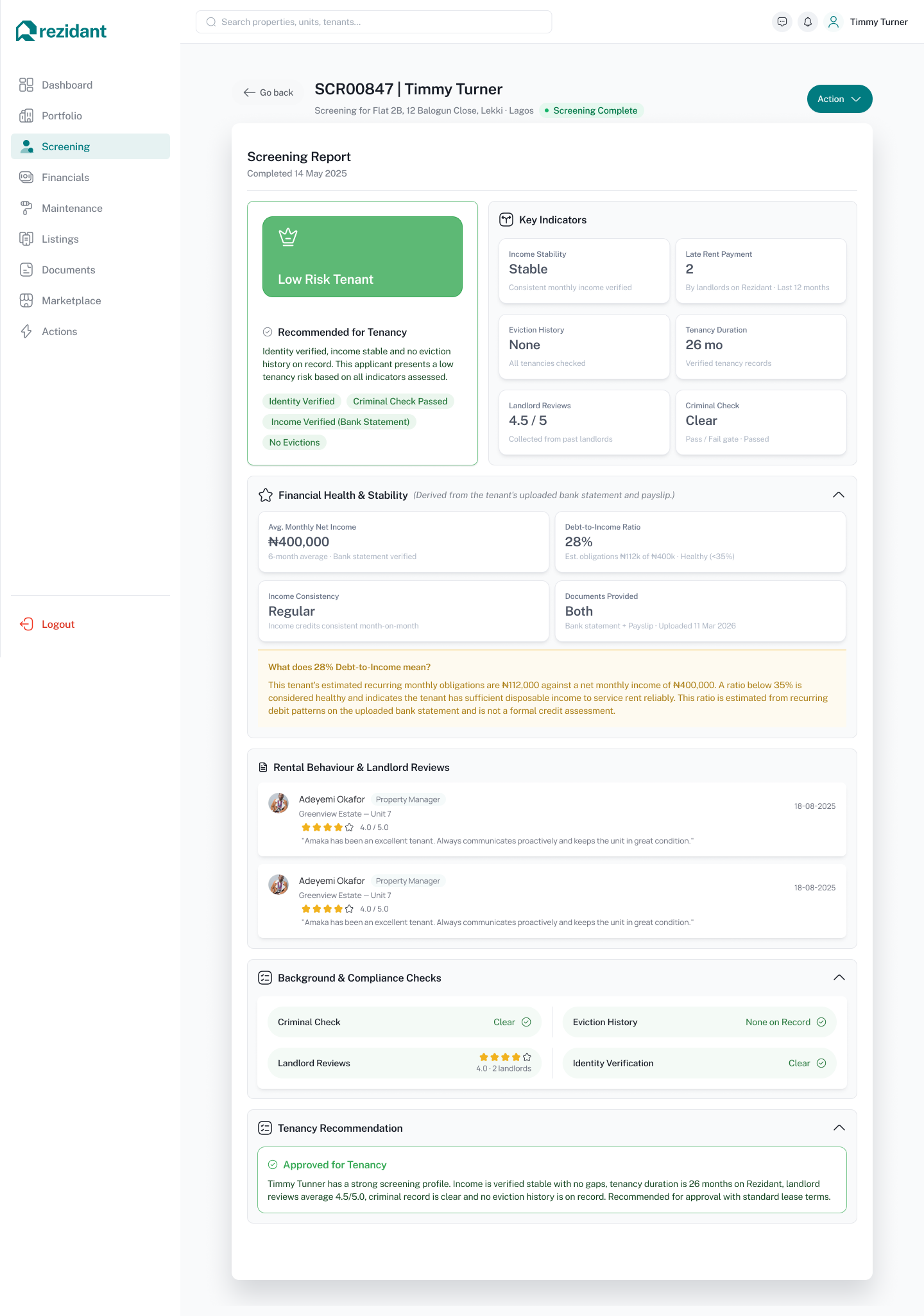
For landlords and property managers, the biggest friction points were collecting rent payments, tracking tenancy agreements, and screening tenants, all handled manually with little structure. For tenants, the friction was upfront rent payments, and having no clear channel to raise maintenance requests or communicate with landlords and property managers.

  • Rent collection & tracking (landlords, property managers)
  • Tenancy agreement management (landlords, property managers)
  • Tenant screening (landlords, property managers)
  • Upfront rent payments (tenants)
  • Maintenance requests & communication (tenants)
04

User Flows

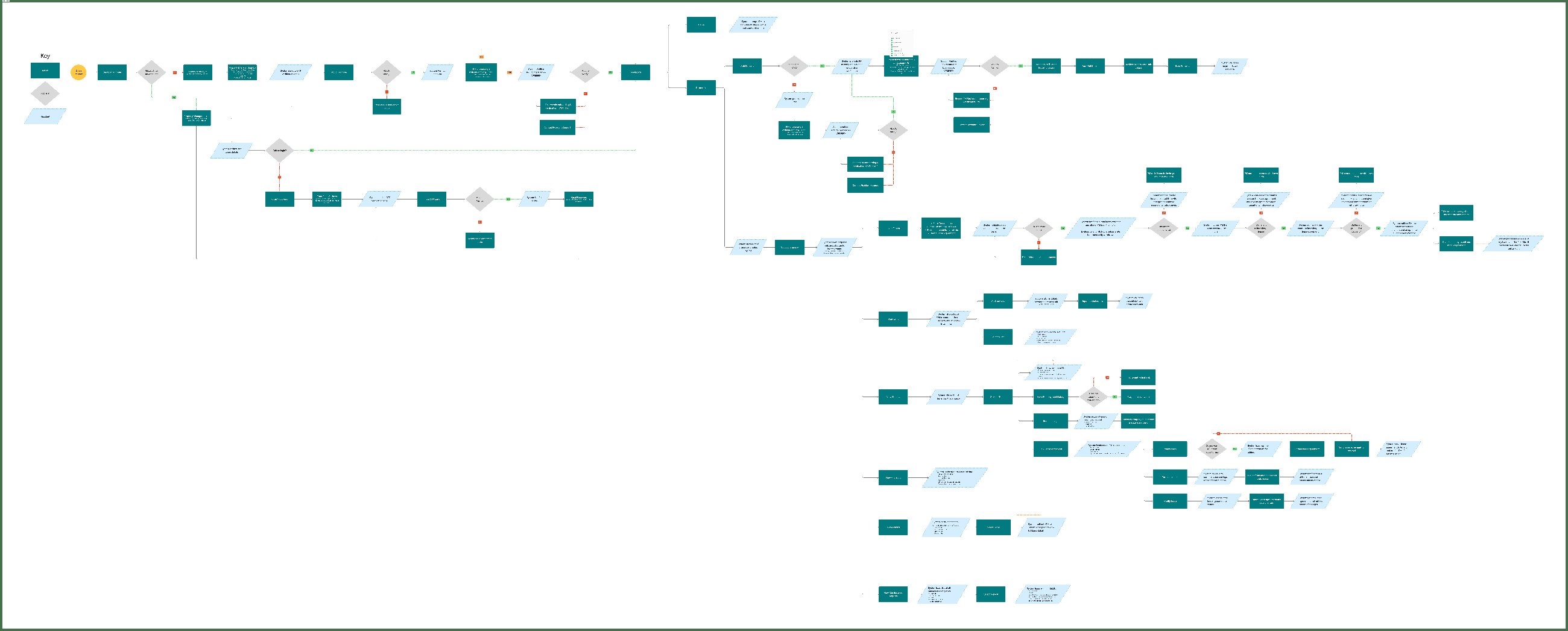
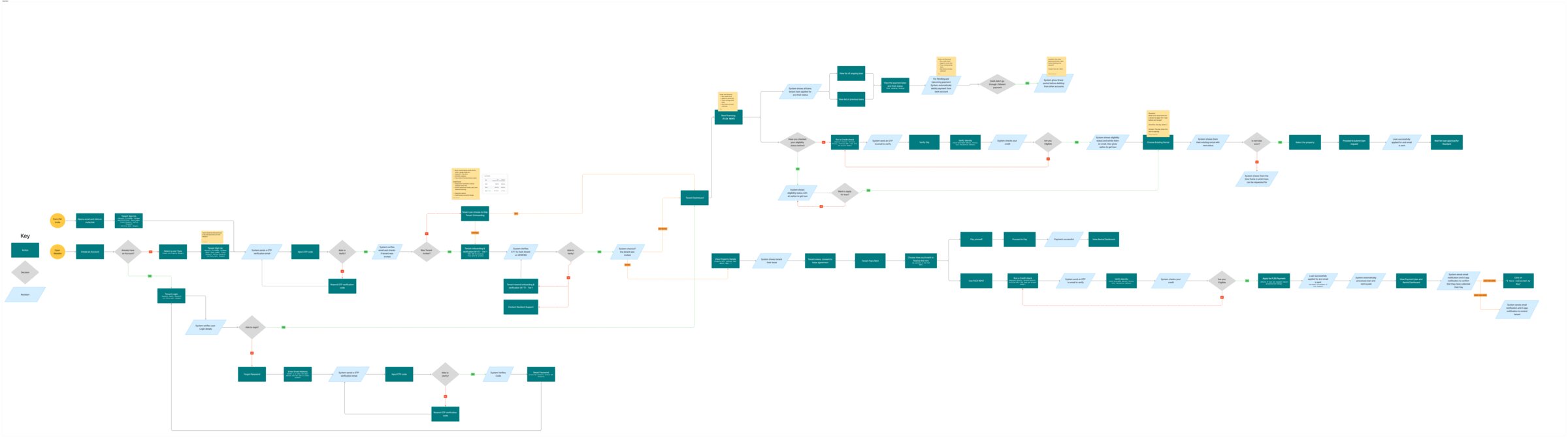
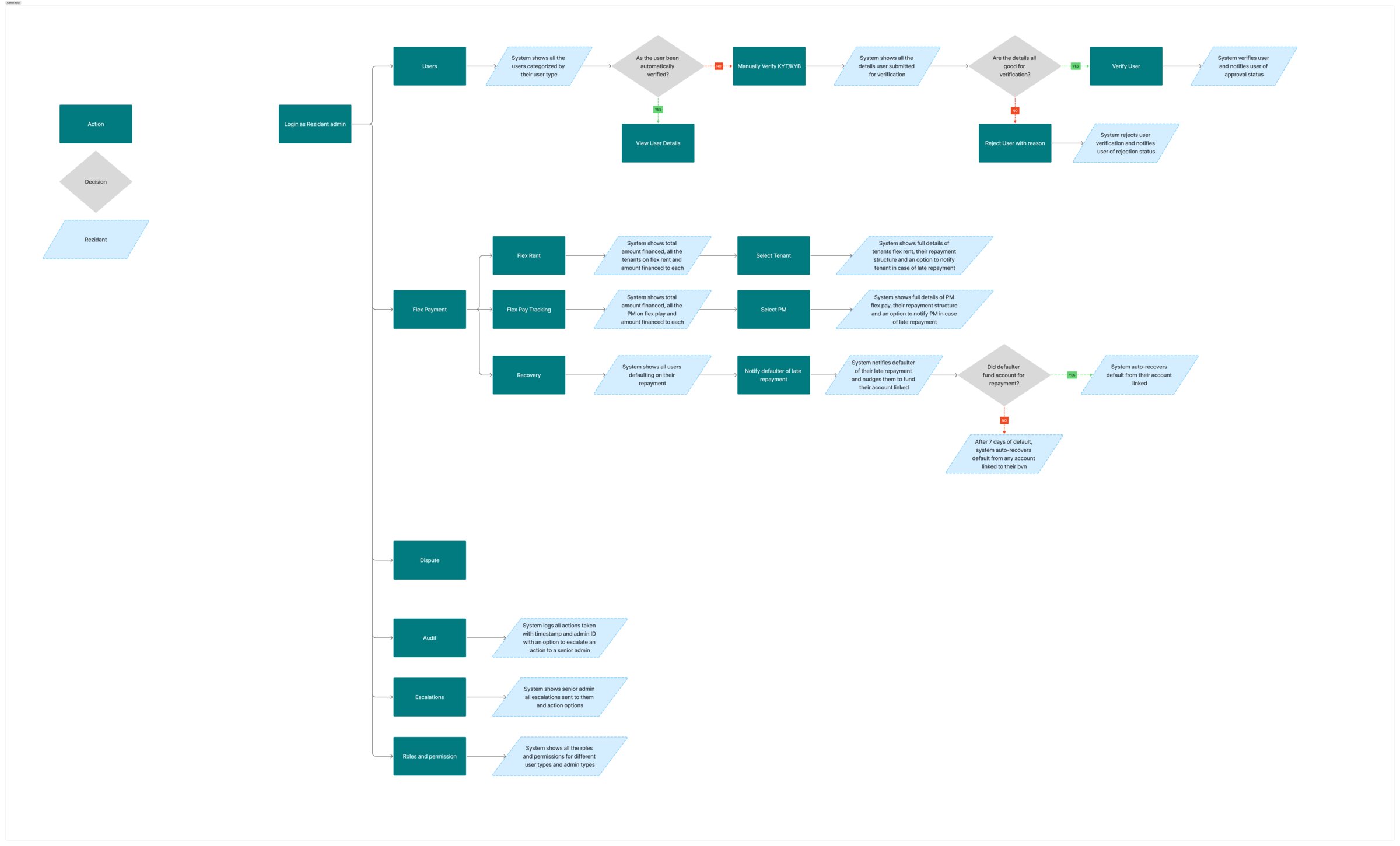
Before locking the final screens, I mapped the end-to-end flow for each of the three roles, admin/ops, property manager, and tenant, covering every decision point, system action, and notification behind each path. Click a diagram to zoom in.

05

Final UI

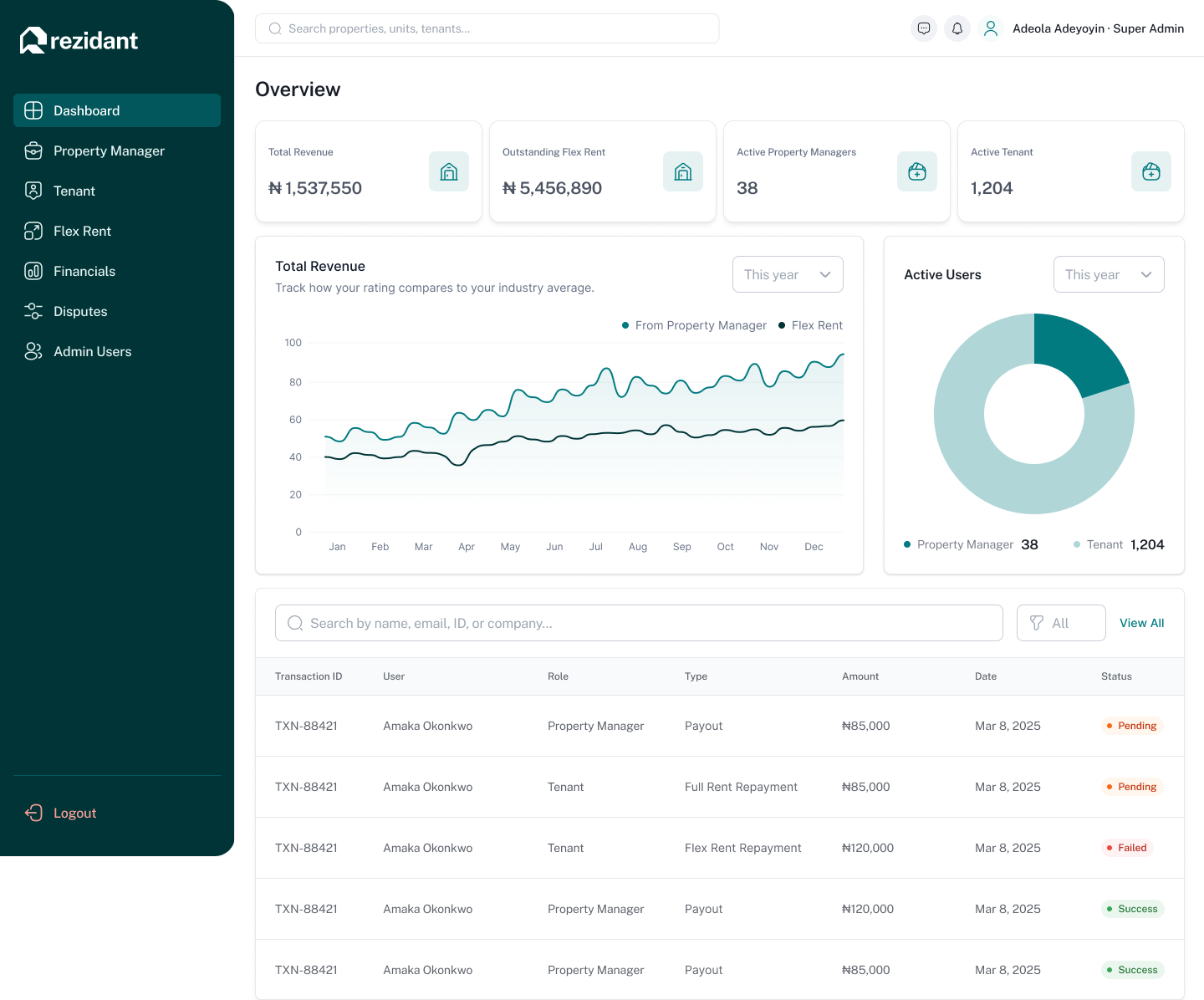
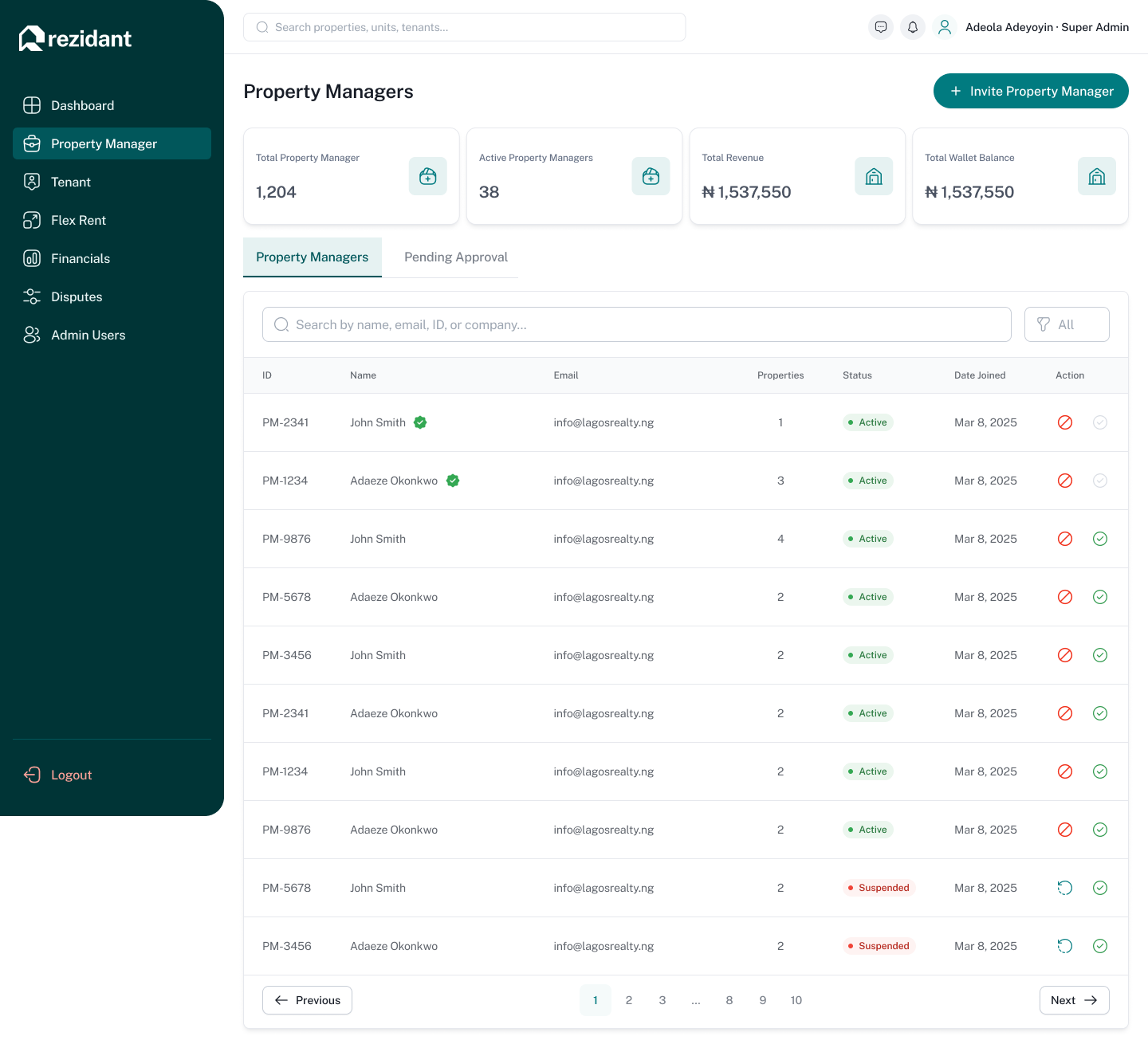
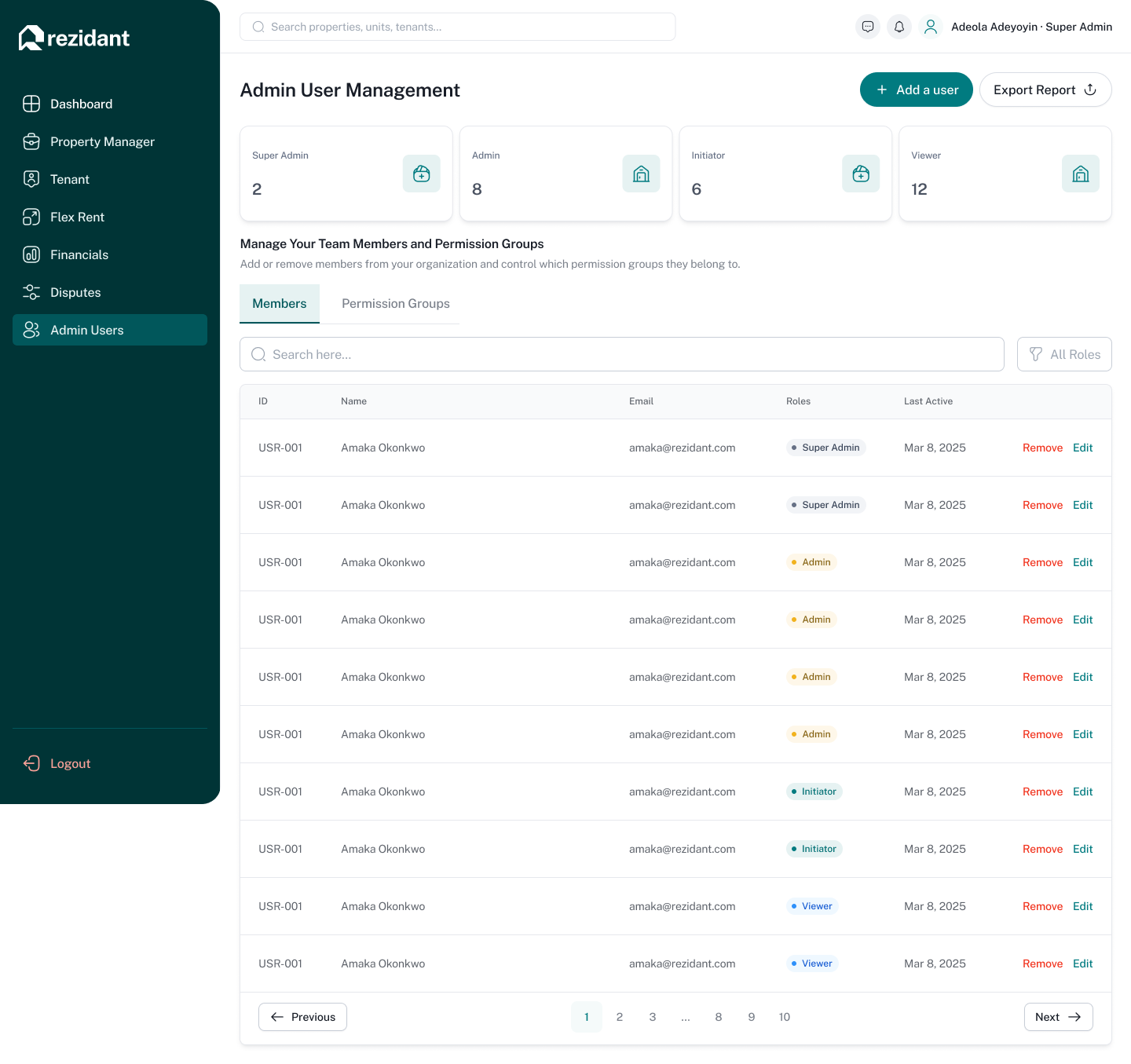
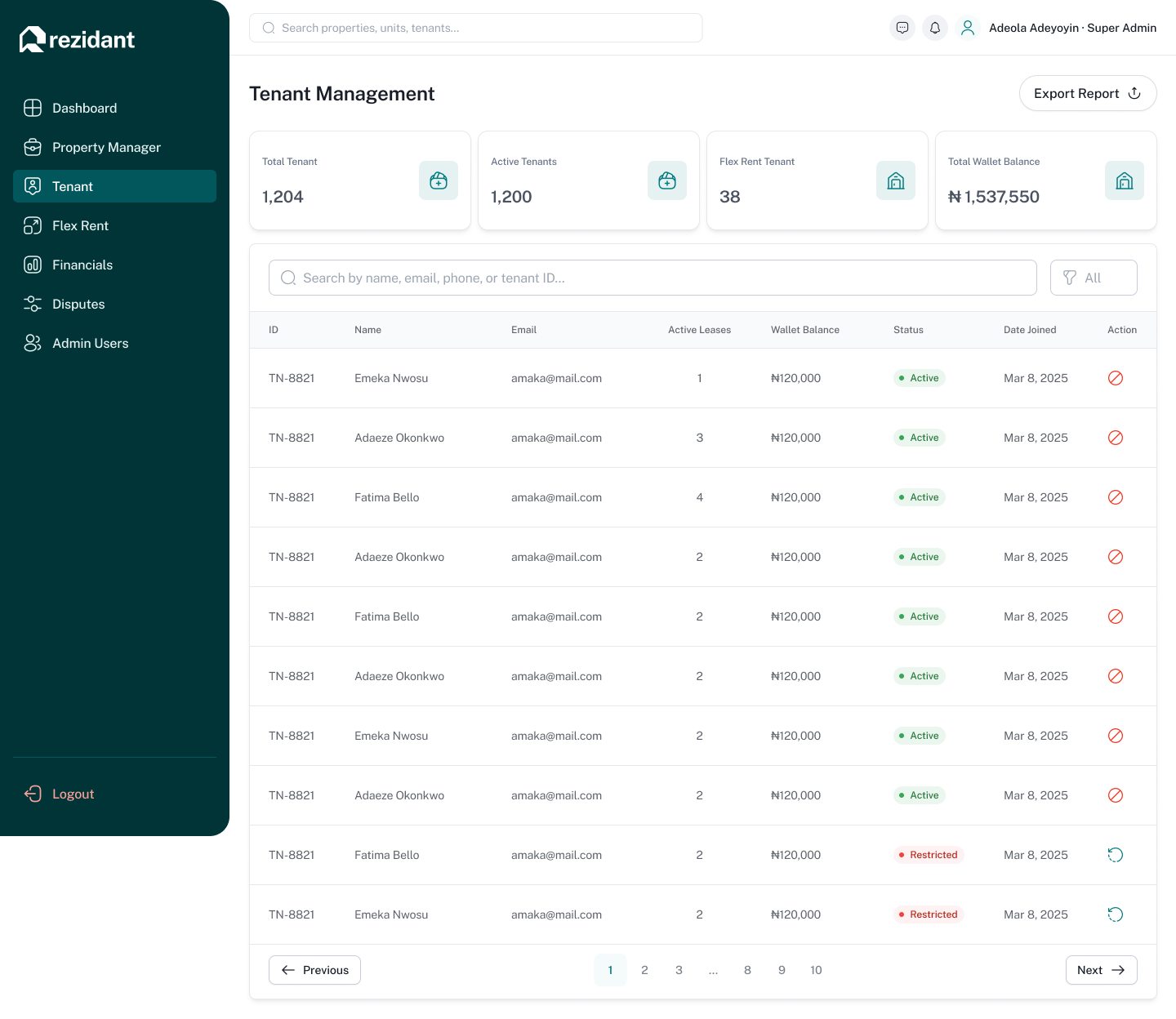
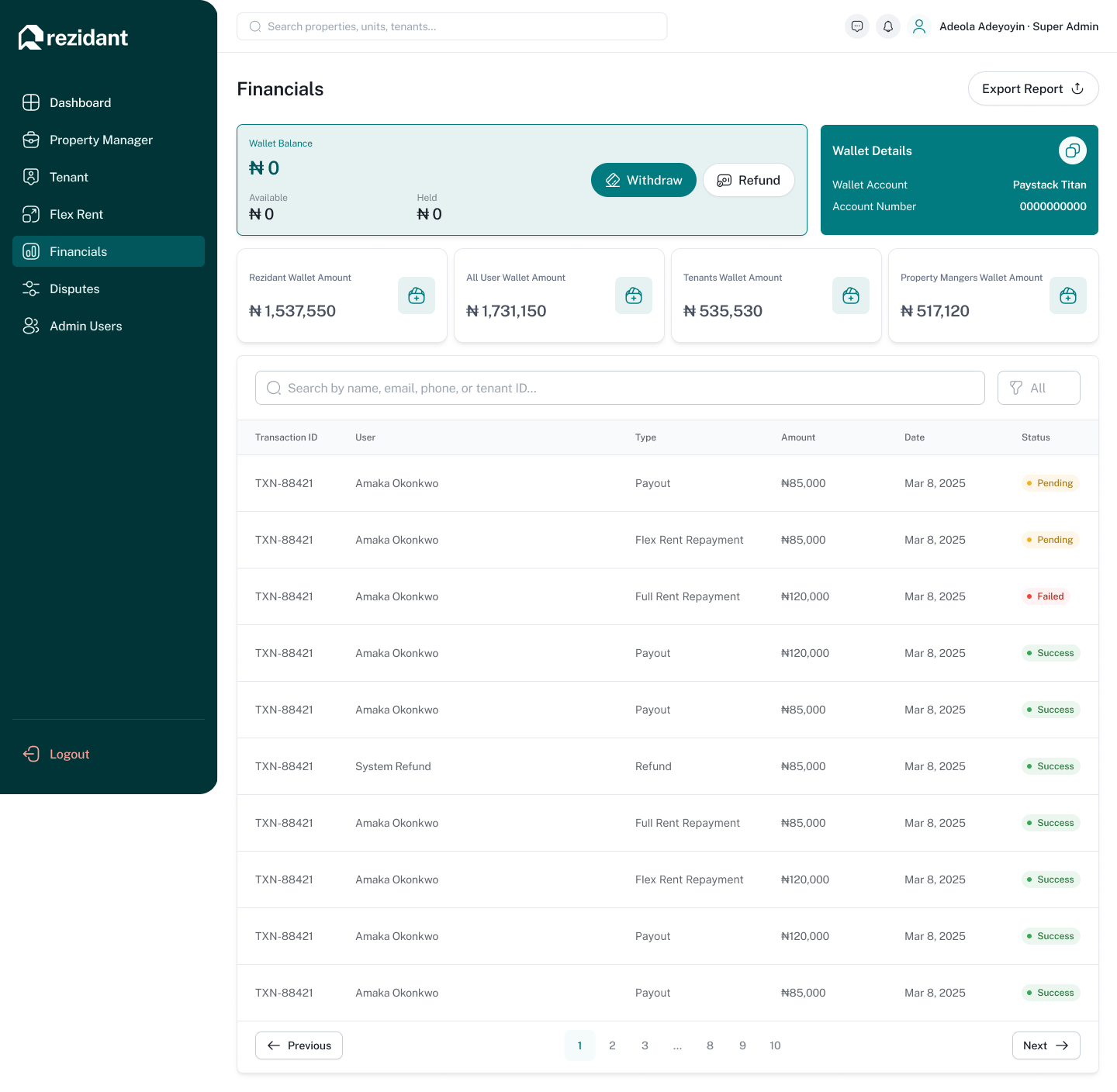
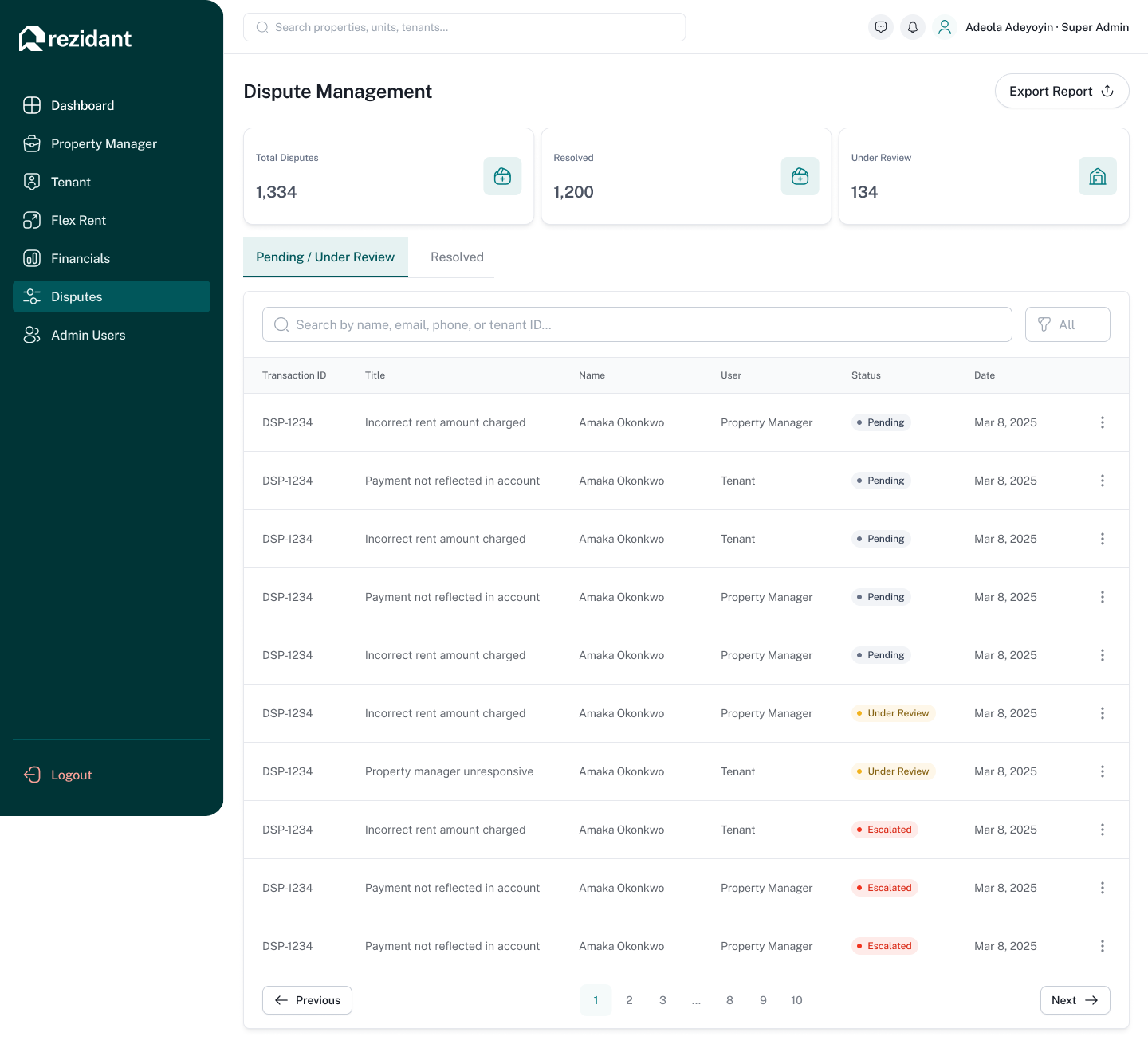
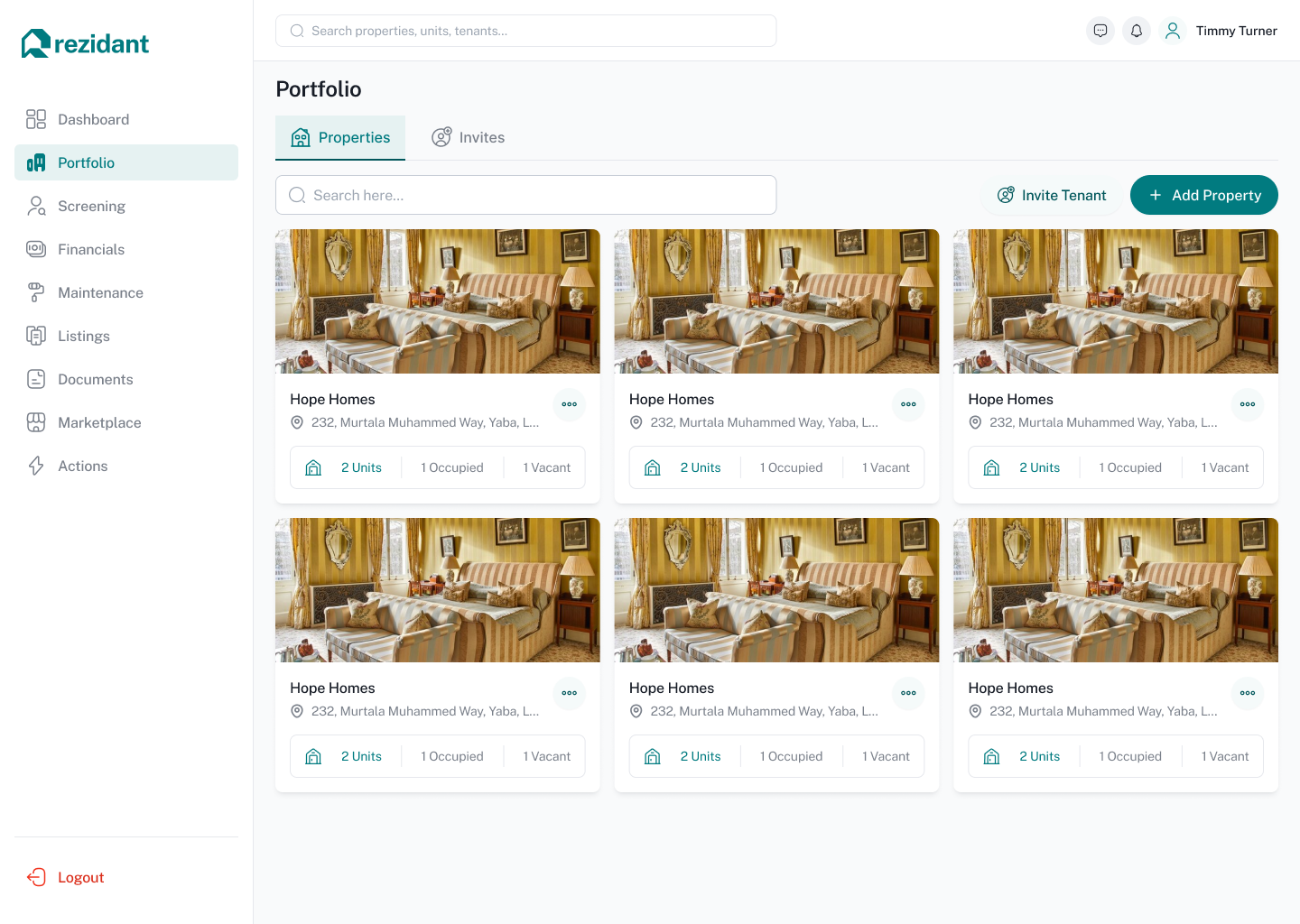
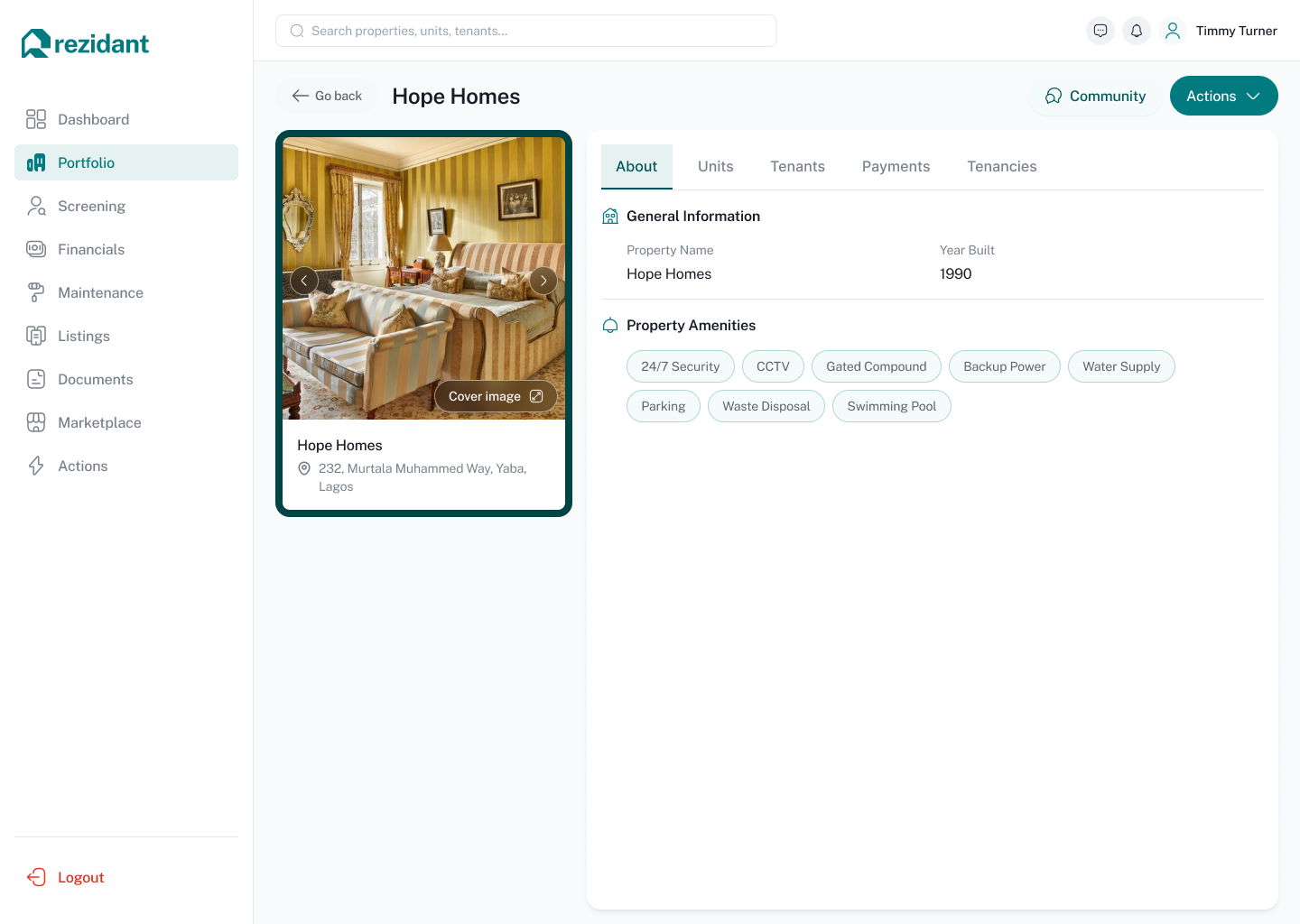
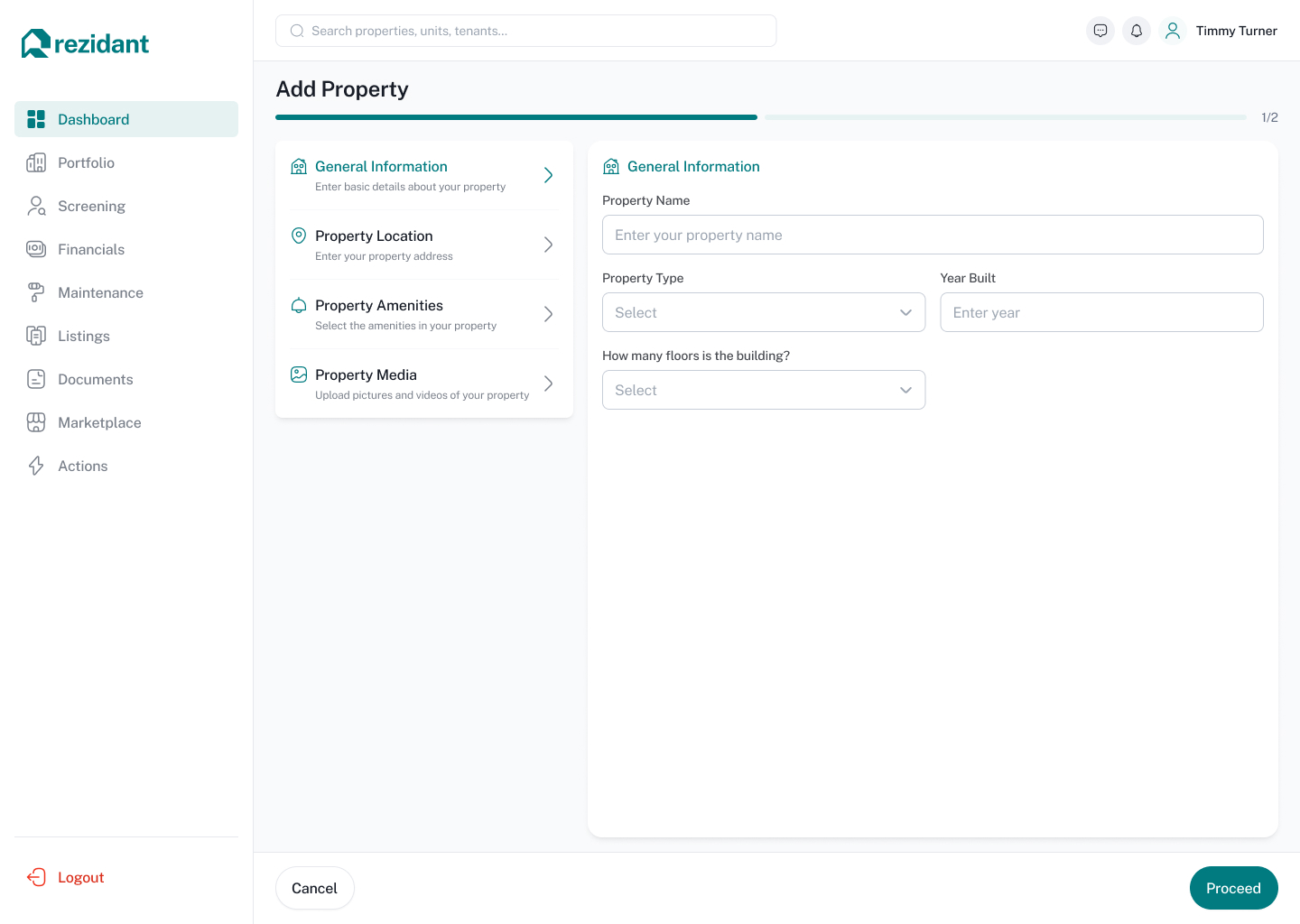
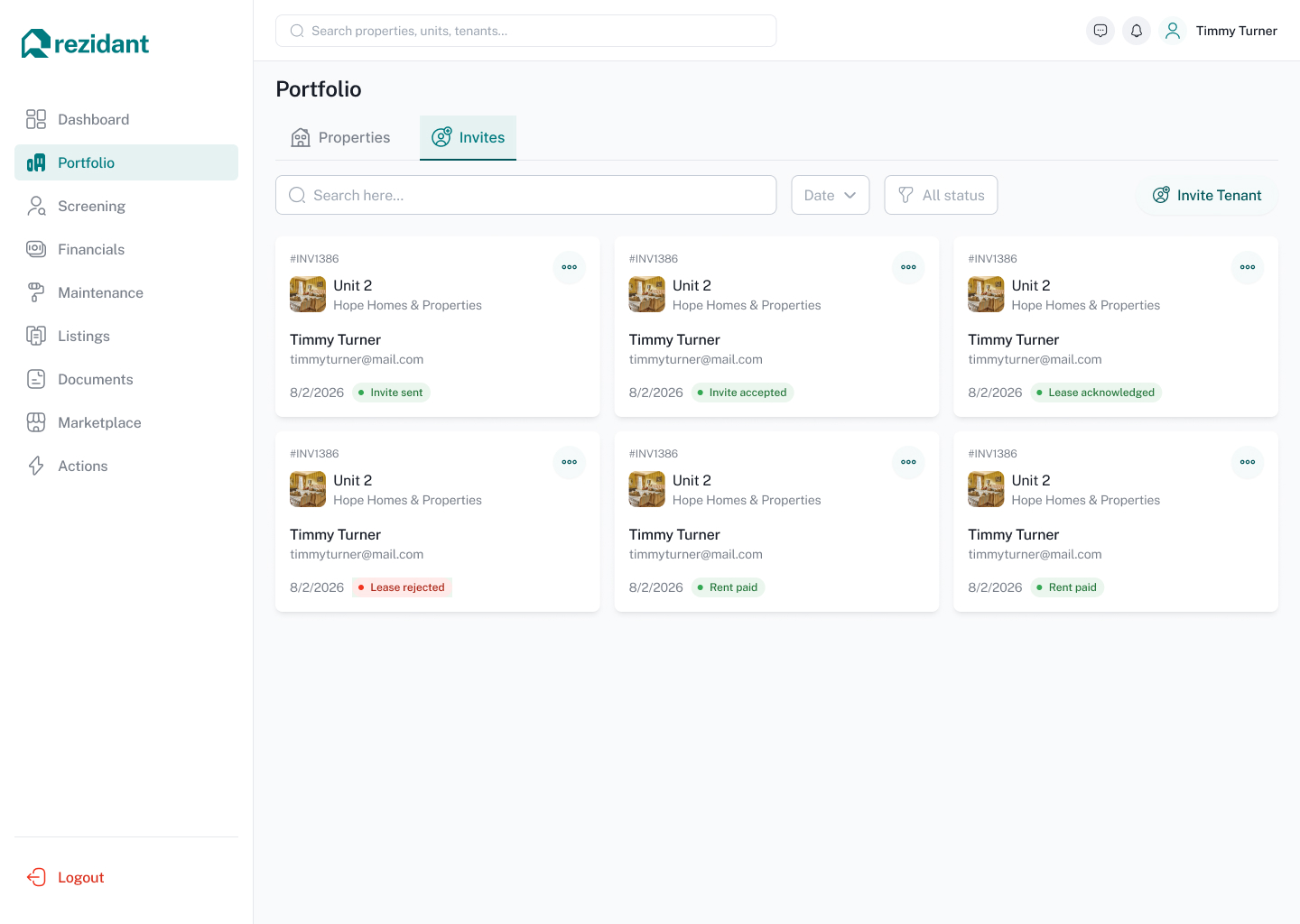
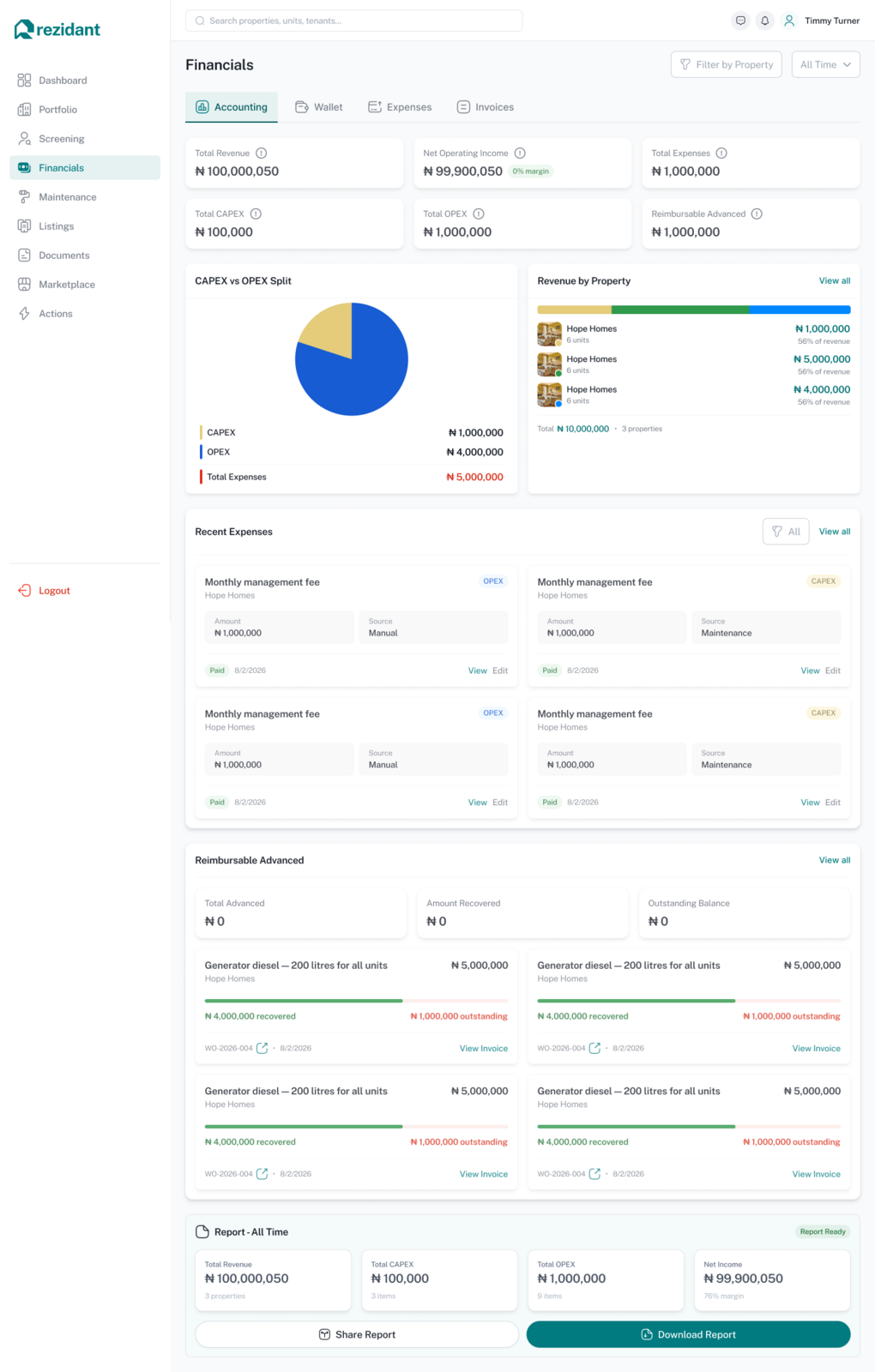
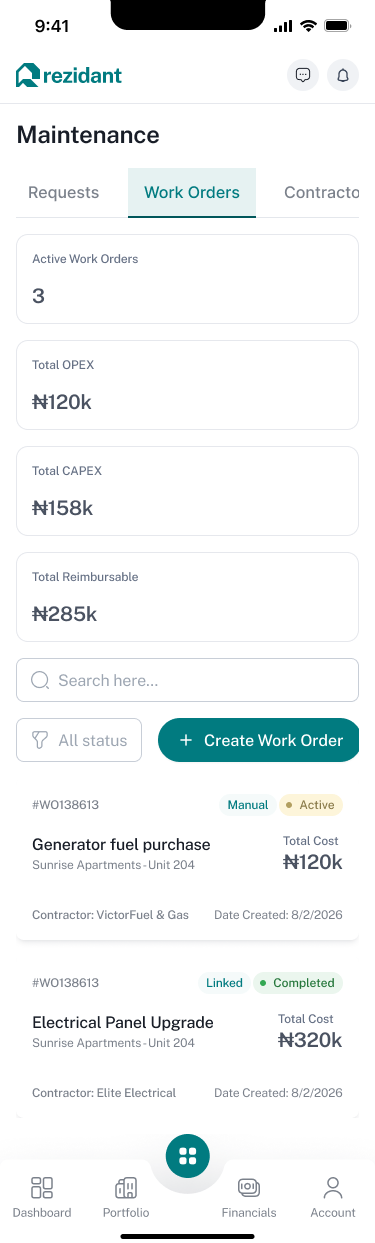
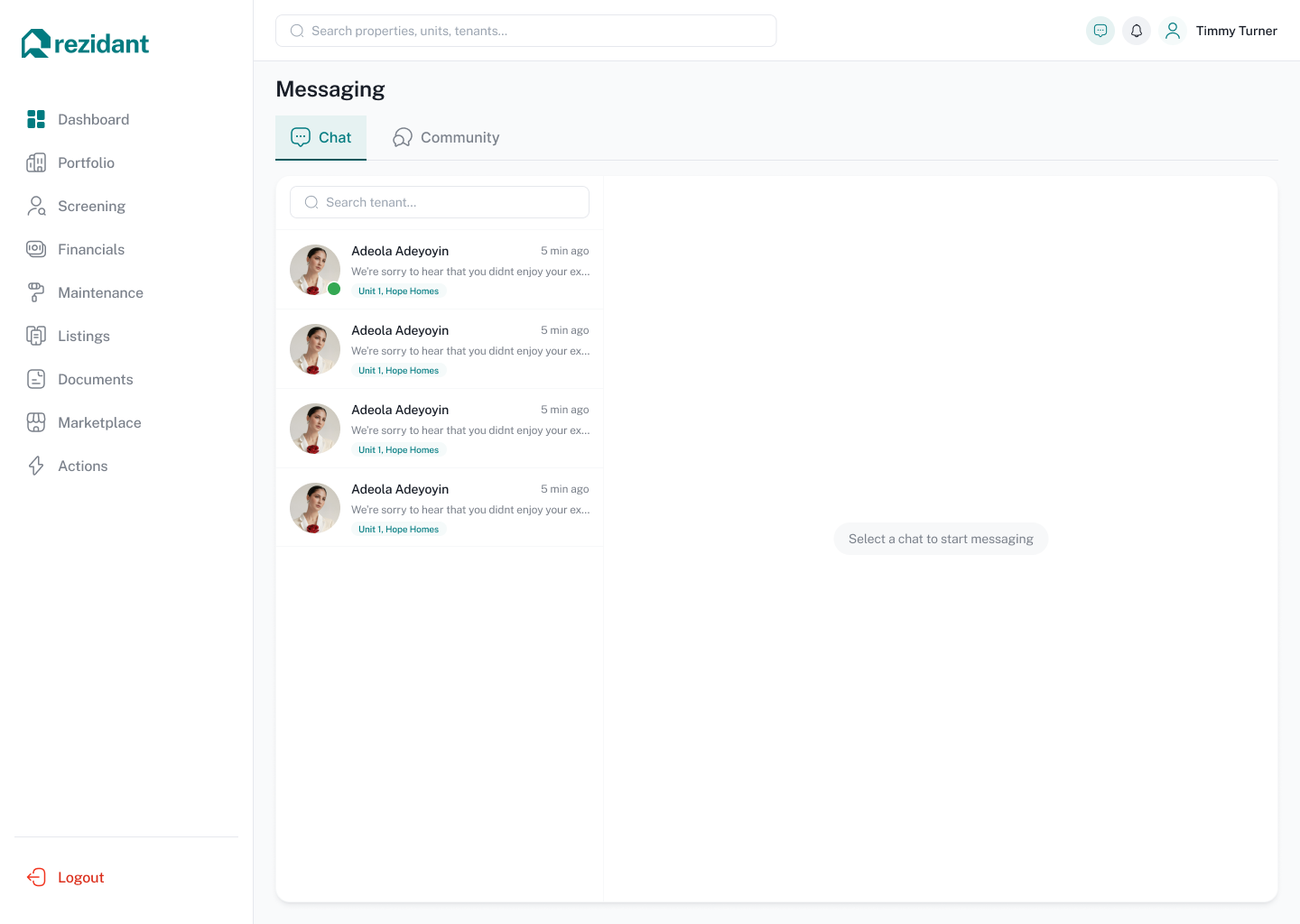
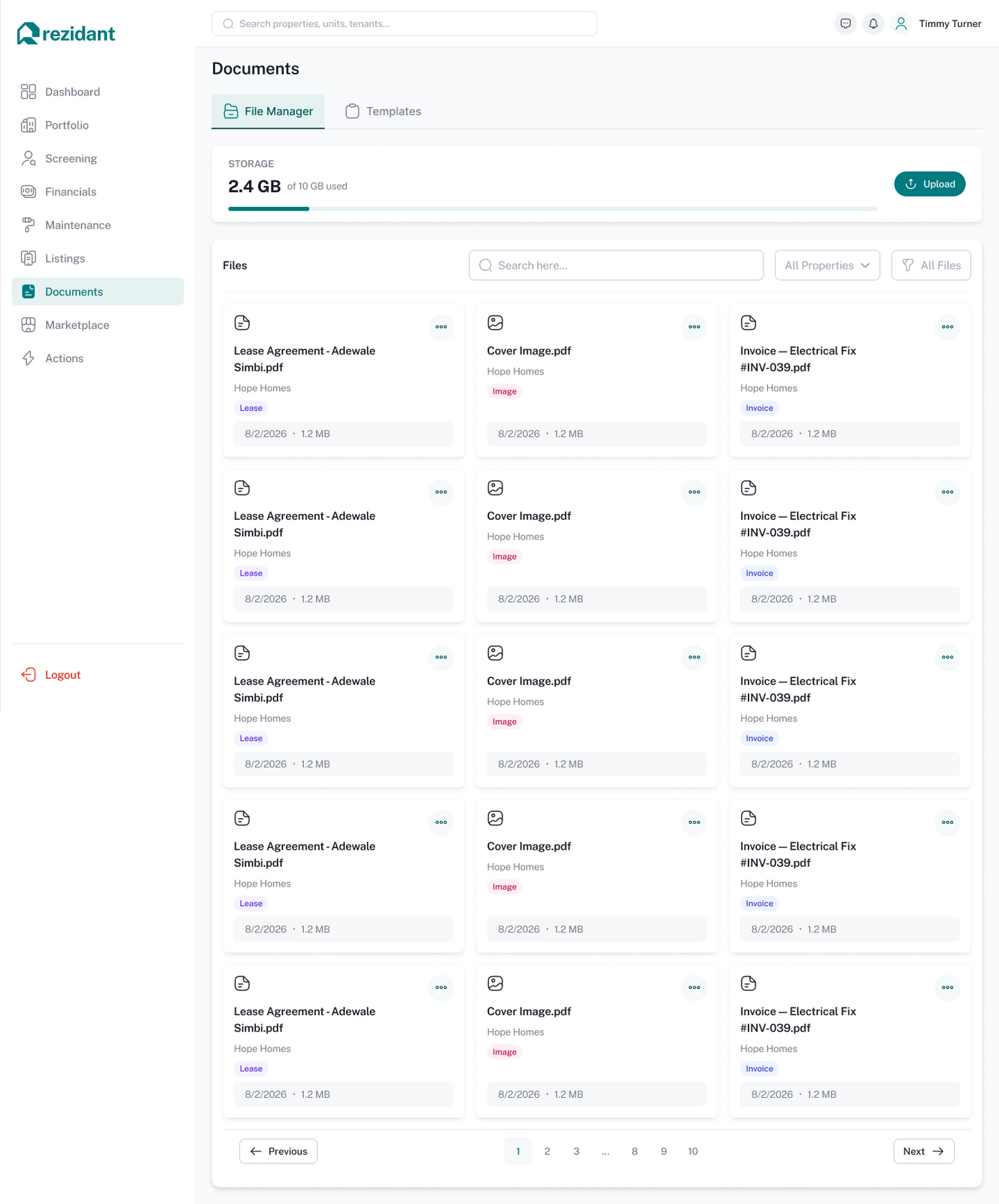
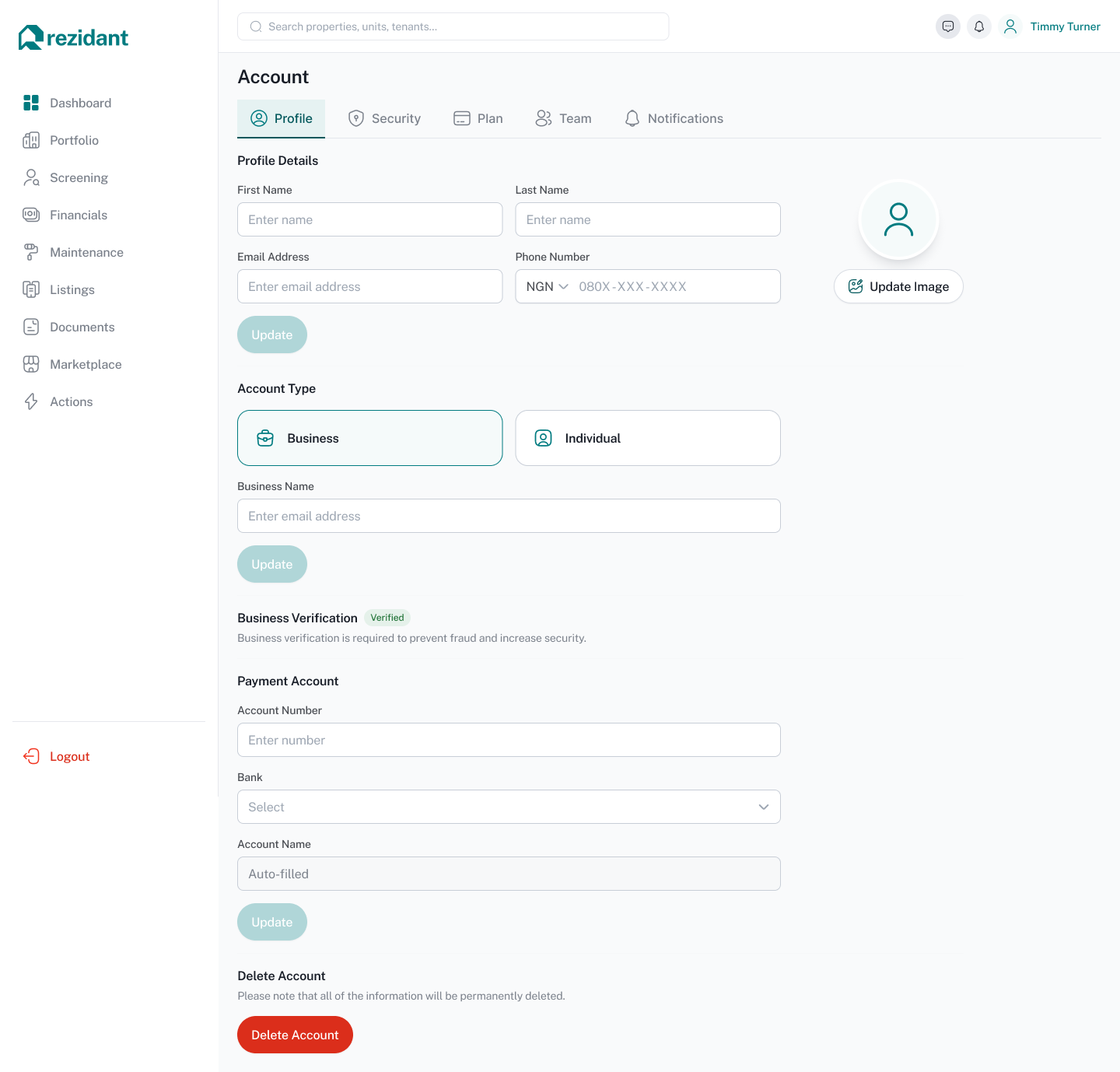
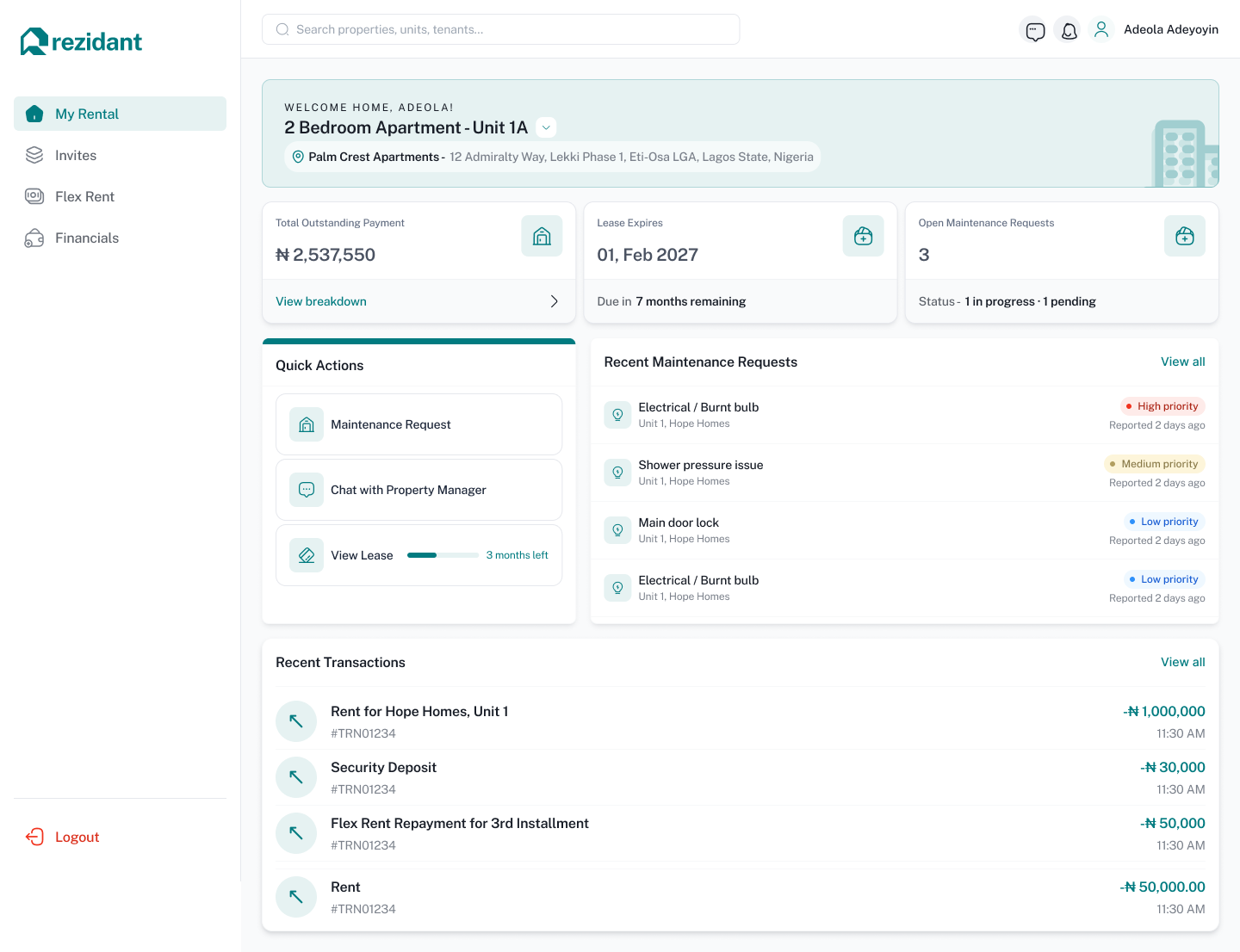
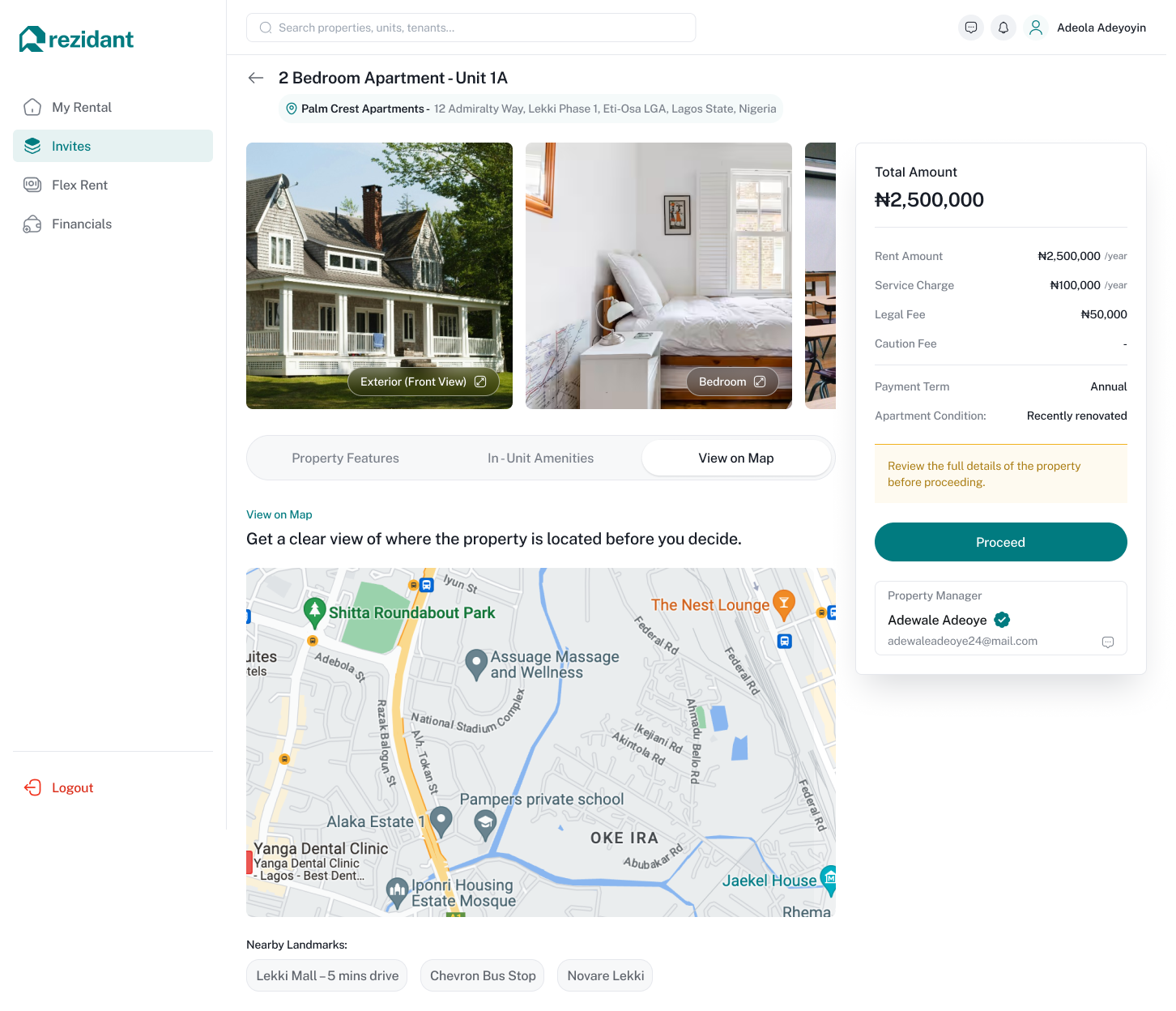
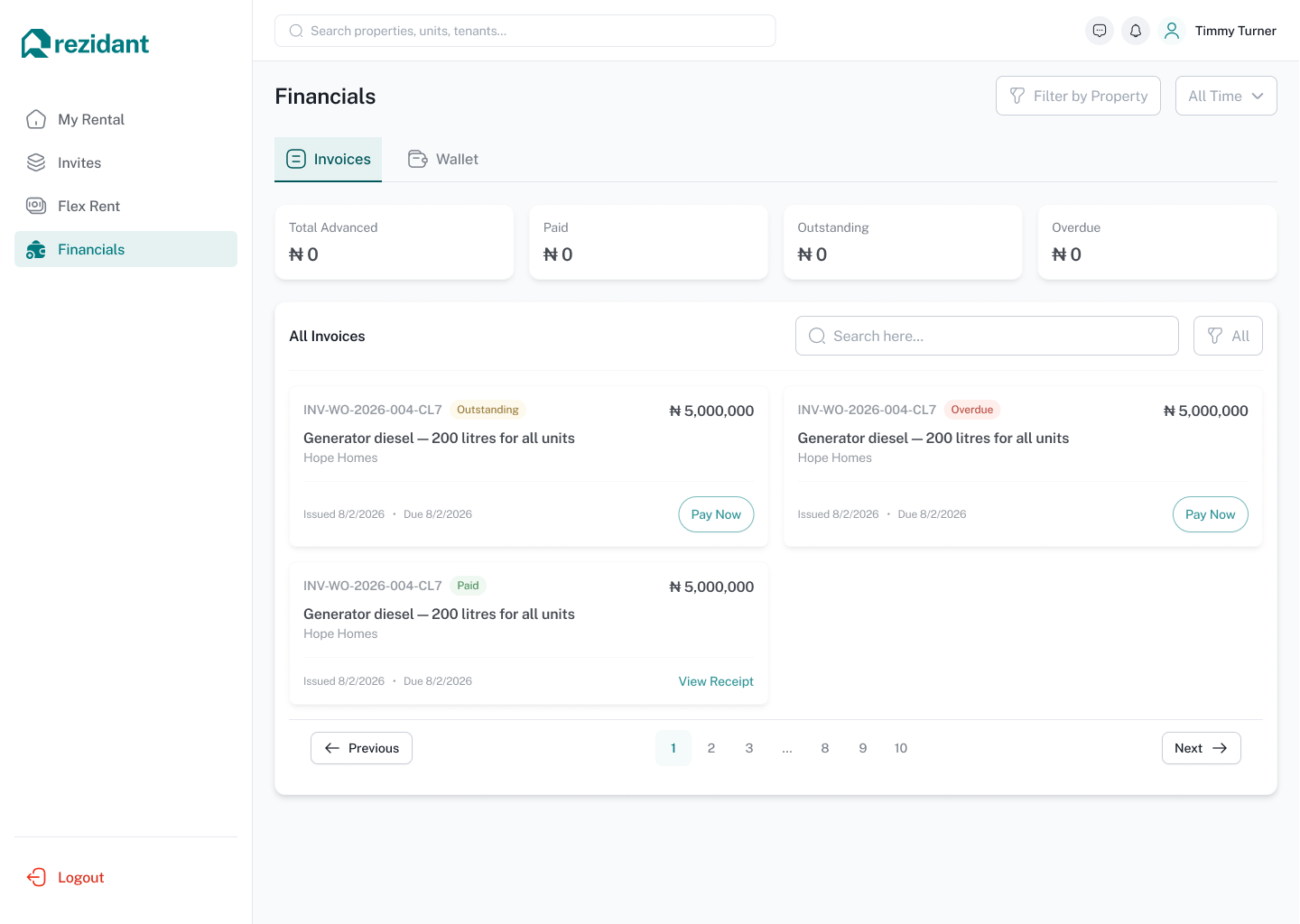
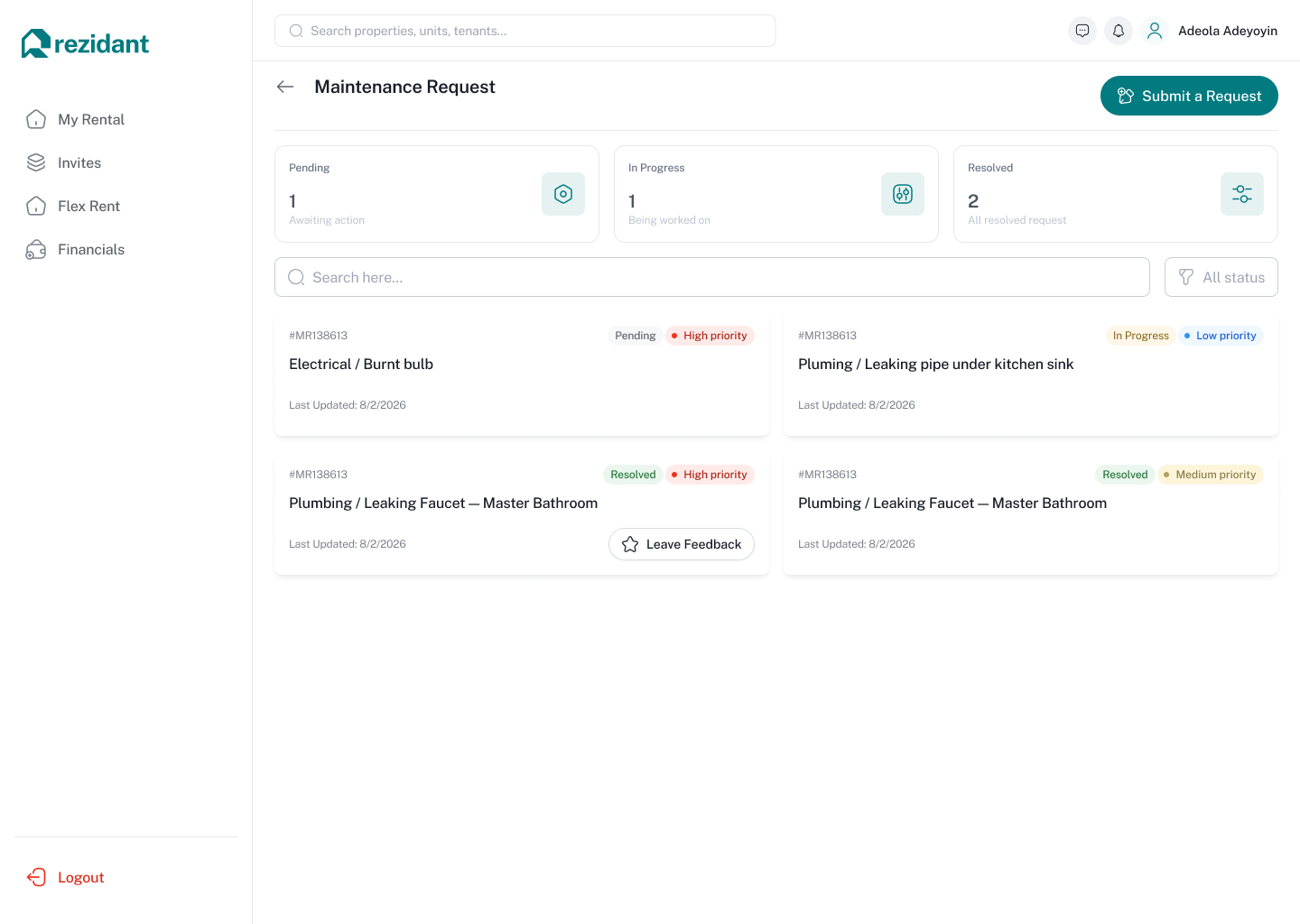
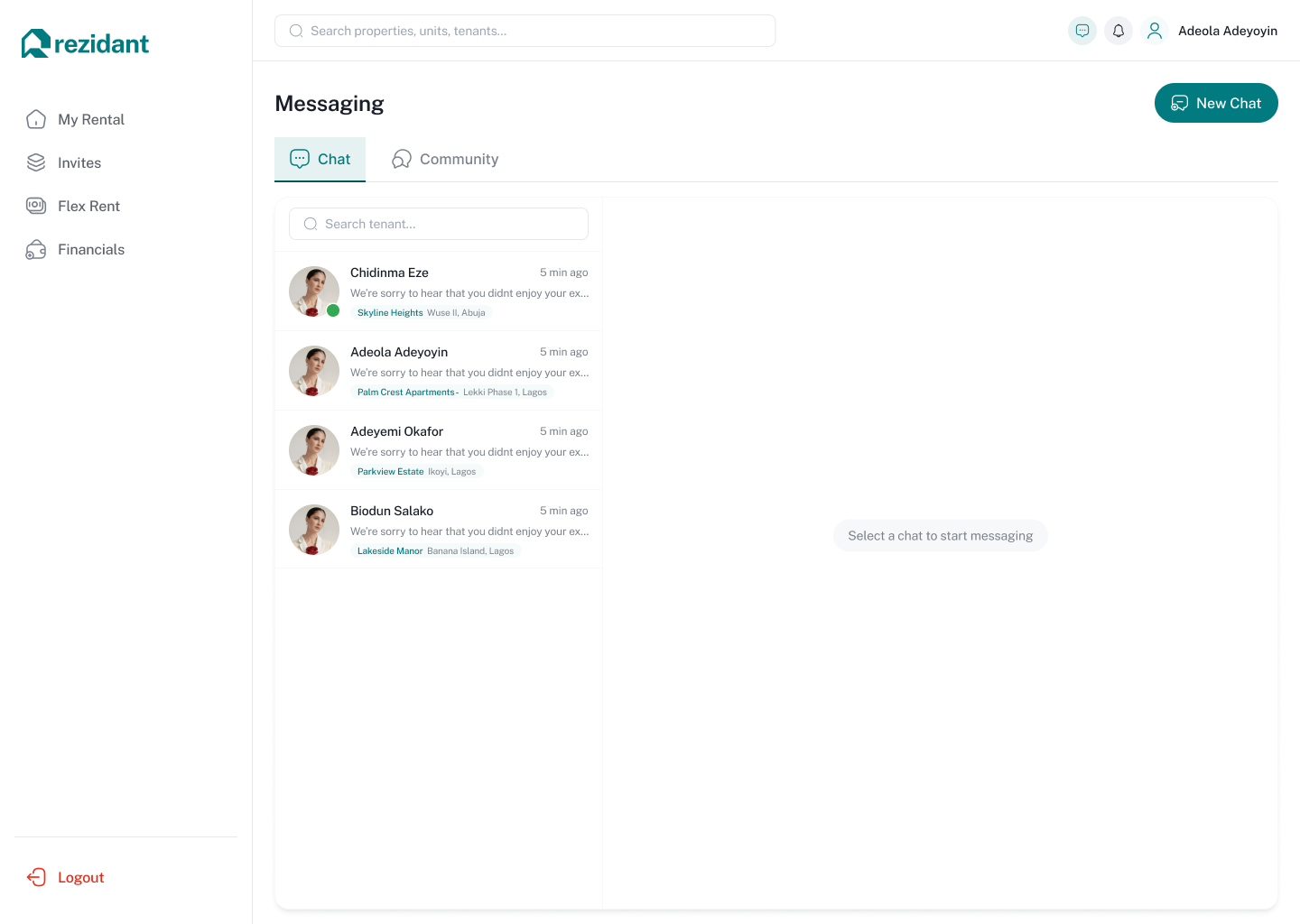
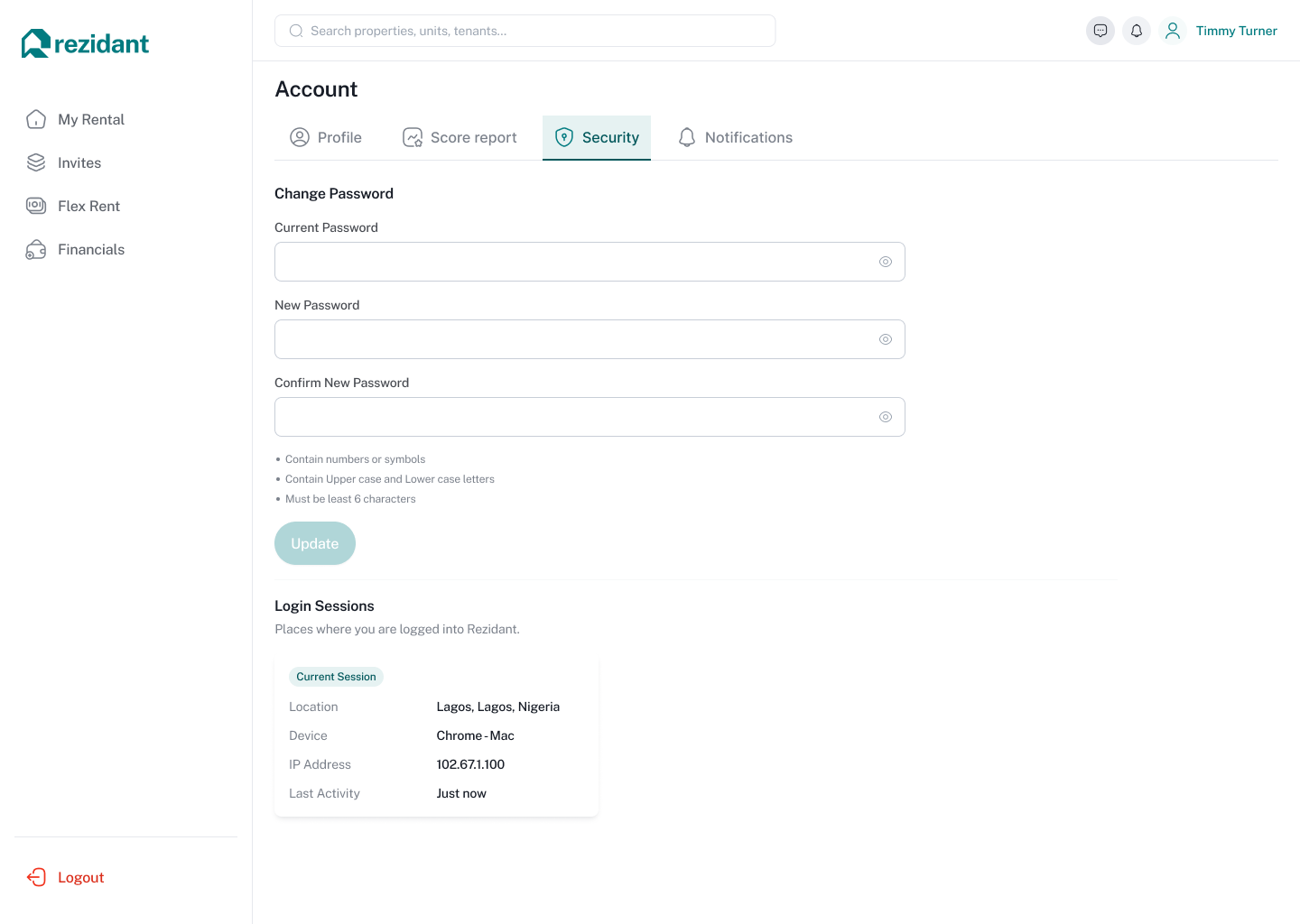
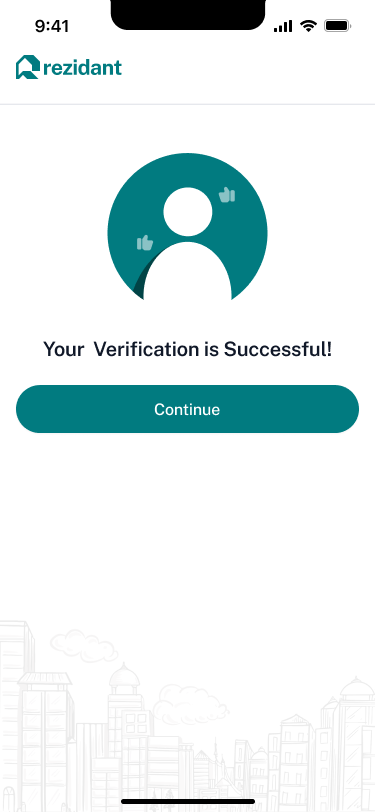
Three roles, one system. Screens below are grouped by who uses them — admin/ops, property manager & landlord, and tenant — since each role sees a genuinely different product built on the same underlying design language.

My Role

As the lead product designer on a two-person design team, I set the overall design direction and did the bulk of the hands-on design work — research, information architecture, and interface — working directly with the founding team and my co-designer to take the platform from concept to a live product now used by tenants, landlords, and property managers.

One of the harder calls was designing three genuinely different experiences (tenant, landlord, property manager) without fragmenting the product into three separate apps. That meant building a shared design system flexible enough to hold role-specific complexity without losing consistency — and clear enough that both of us on the design side could build within it consistently.

Collaboration & Handoff

A two-person design team (myself and another product designer) working closely with engineers throughout, not just at handoff. Design QA after implementation, reviewing the build against Figma and resolving inconsistencies directly with engineers, was a core part of getting each release into production.
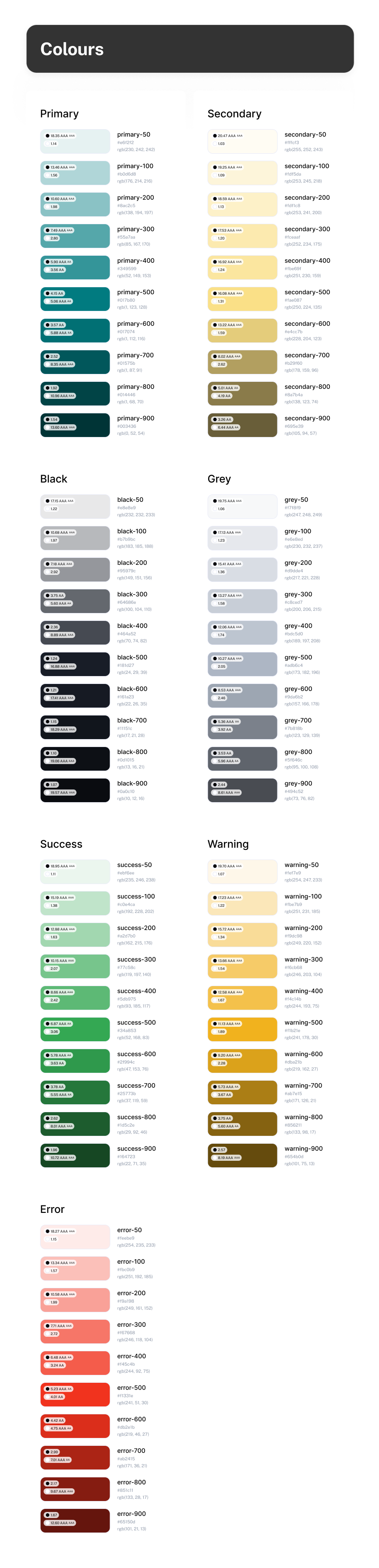
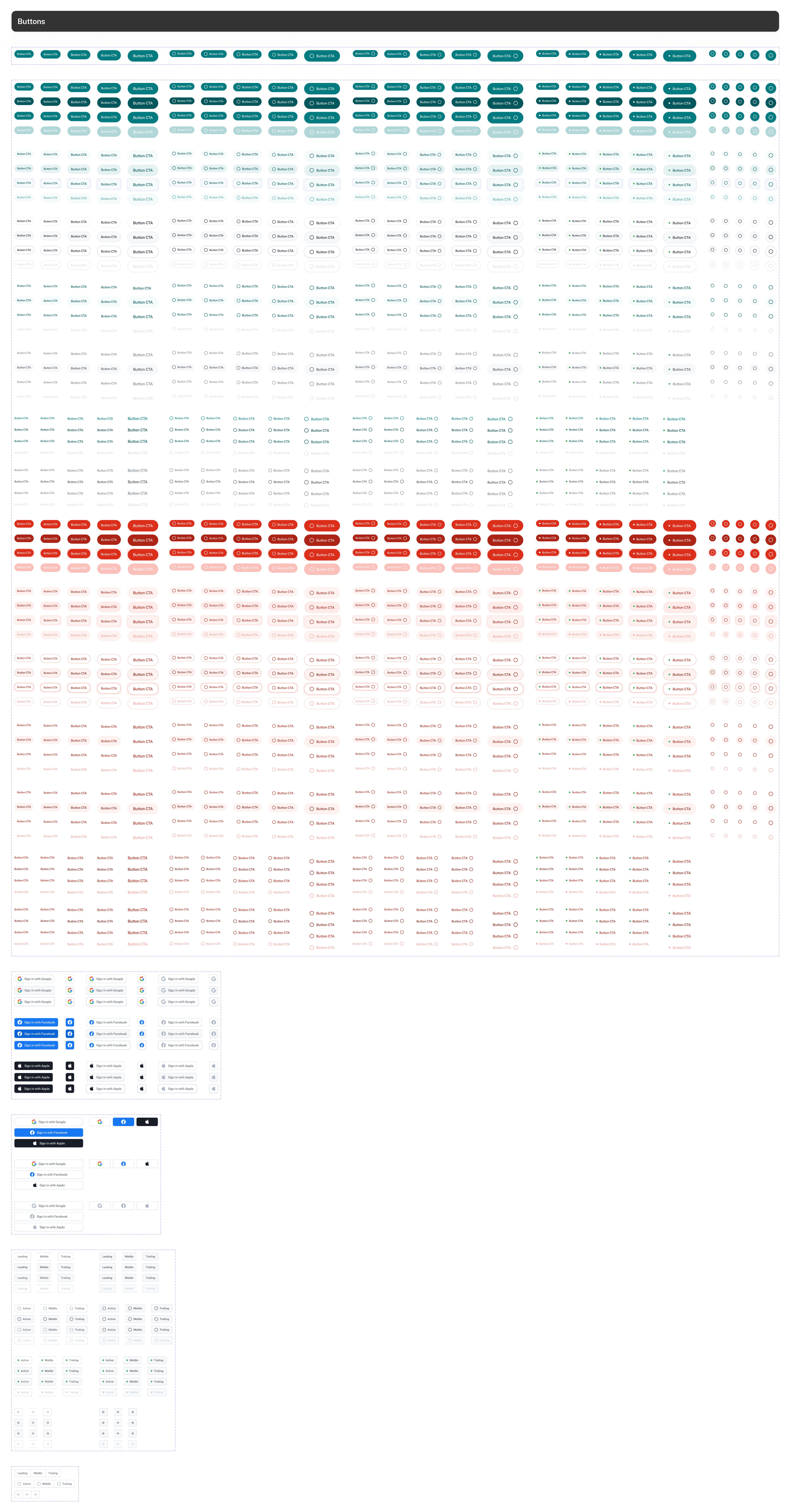
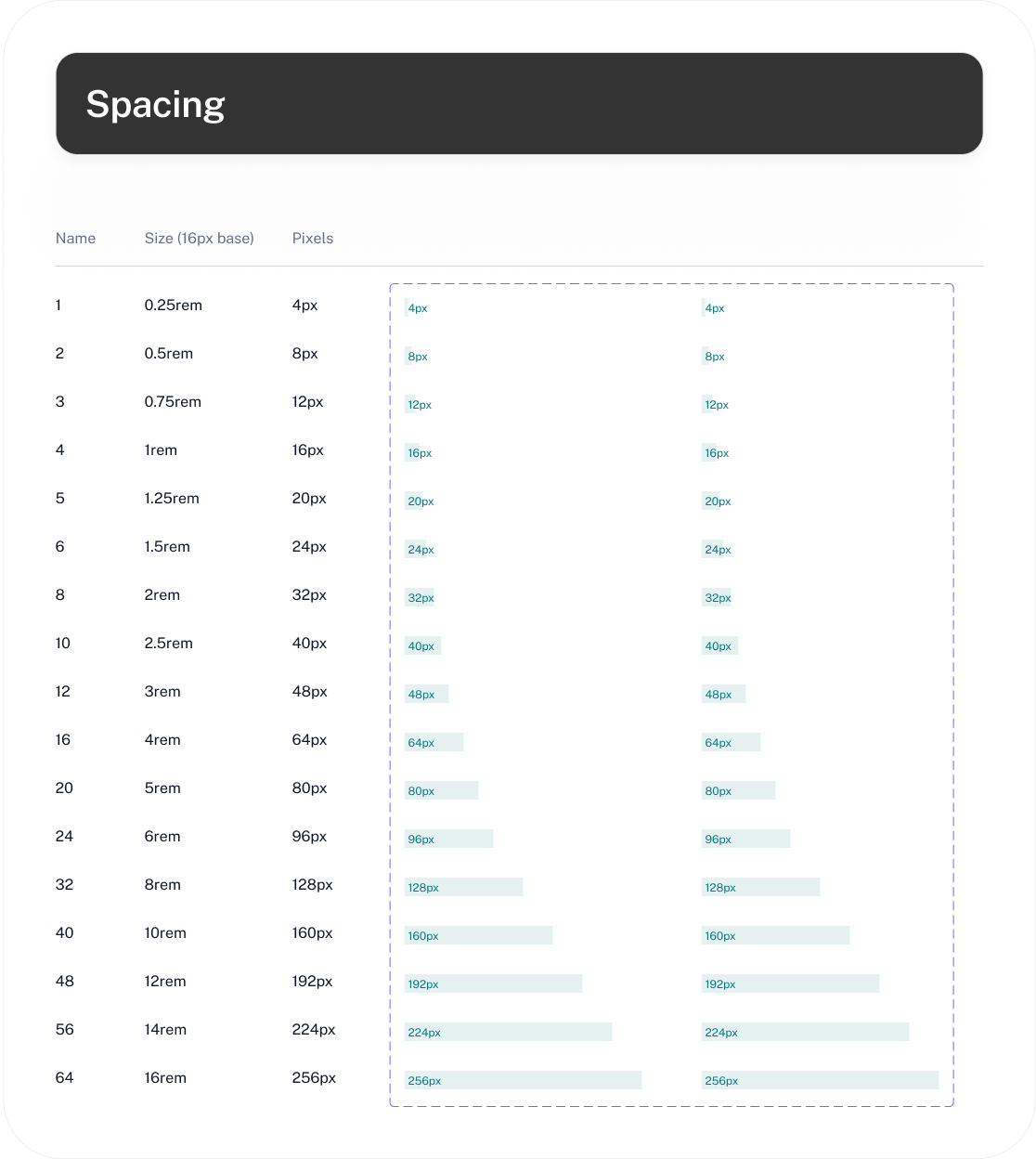
Component Architecture & Tokens

A shared design system held role-specific complexity (tenant, landlord, property manager) without fragmenting into three separate visual languages.

06

Business Impact

Reflection

Rezidant sharpened how I think about designing for multiple user roles inside one product without fragmenting the experience — the easy answer is three separate tools; the harder, better one is a single flexible system.

If I were starting over, I'd push for role-based user testing earlier — some of the sharpest usability issues only surfaced once real property managers were in the flow. That's shaped how I sequence design work now: validate with the most demanding user role first, then simplify outward.

More Work