01 Problem 02 Research 03 Synthesis 04 Final UI 05 Impact
Live · Product Design

Helping schools move from manual processes to clarity.

Schools in Nigeria struggle with fragmented systems, manual processes, and lack of visibility. Shelf21 was created to unify school operations, simplify workflows, and make education management intuitive for teachers, parents, students, and admins.

Product Design Design Systems Stakeholder Communication
Visit Live Site
Helping schools move from manual processes to clarity cover
Year2024 to 2025
CompanyShelf21
RoleProduct Designer
StatusLive
TL;DR

The short version.

The problem
Teachers drowned in paper admin, parents couldn’t see progress, and existing school software was too costly and complex.
What I did
Researched with teachers, admins, parents and students, then designed role-based interfaces, the design system and the stakeholder pitch deck.
Outcome
Role-based interfaces shipped on schedule, and design-to-development turnaround dropped by 24%.

Want the full story? Switch TL;DR mode off.

01The Problem

Teachers were doing admin work instead of teaching.

Paperwork and manual admin ate into the time teachers had for actual teaching.

Parents had no clear view of their child's progress, and students lacked timely access to schedules, grades, or resources.

Existing systems on the market were costly and complicated for most schools to adopt.

  • Reduce administrative burden on teachers
  • Give parents clear visibility into student progress
  • Give students timely access to schedules and grades
  • Keep the platform affordable and simple for schools to adopt
02Research

Four groups touch a school, so I heard from all four.

Shelf21 touches four different people around a school: teachers, admins, parents, and students, so research meant hearing from each group directly rather than designing around one point of view.

I spoke with about 3 teachers and 2 school admins, 3 parents, and 2 students, walking through how they currently handle student records, fees, assignments, and results. That was grounded in domain knowledge from working with schools directly, not just secondhand assumptions about how they operate.

  • Interviews: ~3 teachers, 2 school admins
  • Interviews: 3 parents
  • Interviews: ~2 students
  • Domain knowledge from working directly with schools
03Synthesis

Every problem traced back to information living on paper.

Each group's friction was distinct, but all of it traced back to the same root cause: information that lived on paper or in someone's head instead of in one accessible place.

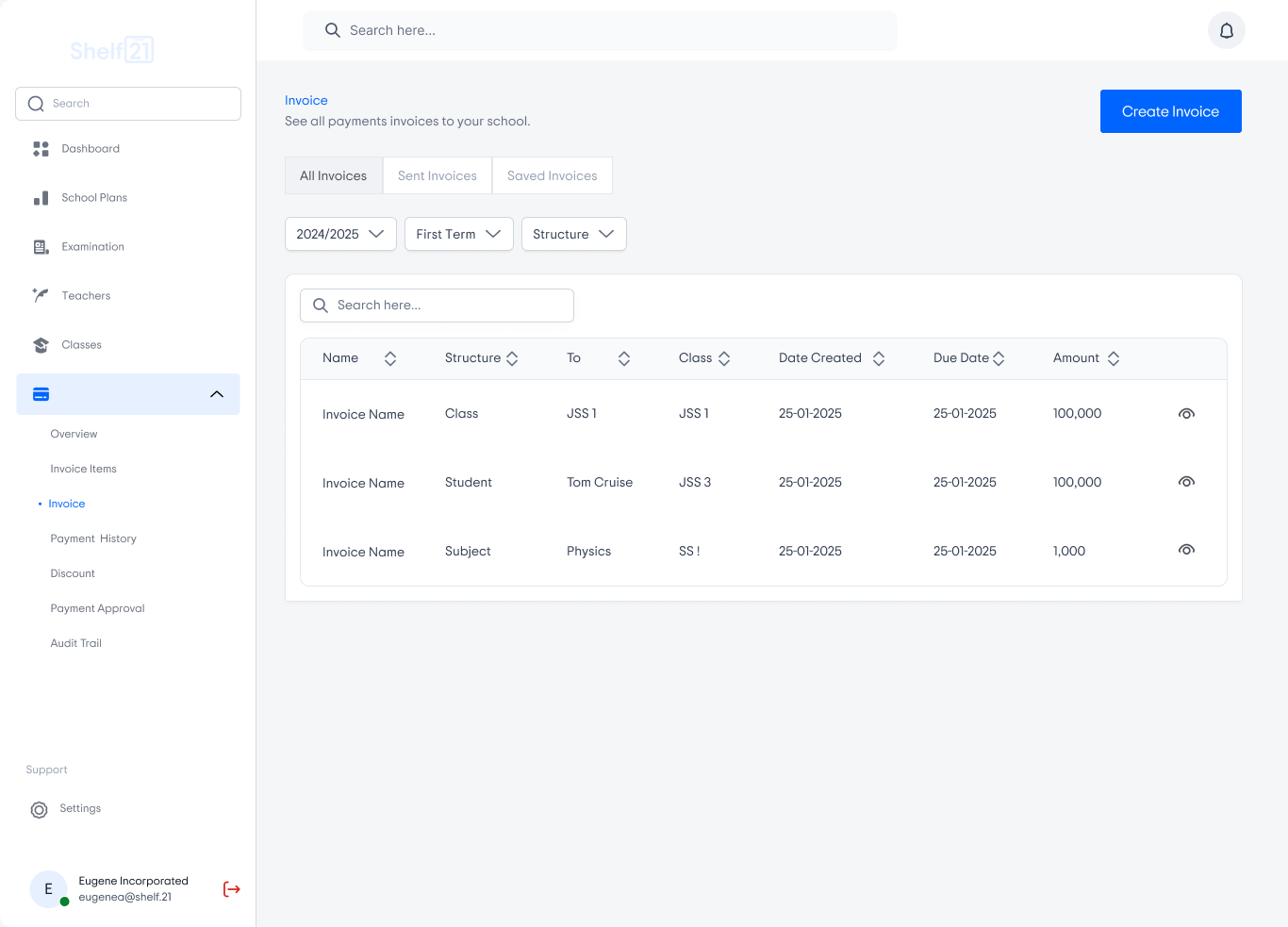
Teachers and admins were tracking student info on paper, and files were getting lost. Attendance, examinations, and assessments needed to move to digital, and invoicing for school fees and other payments needed a way to send and track them on time. Parents wanted to check their kids' performance on the go and pay school fees and other charges easily. Students wanted to submit assignments online and see their results and performance without waiting on someone else.

  • Digitise student records, attendance, exams & assessments (teachers, admins)
  • Fee & payment invoicing that's easy to send and track (teachers, admins)
  • On-the-go visibility into child performance (parents)
  • Simple fee & payment collection (parents)
  • Online assignment submission (students)
  • Online results & performance tracking (students)
04Final UI

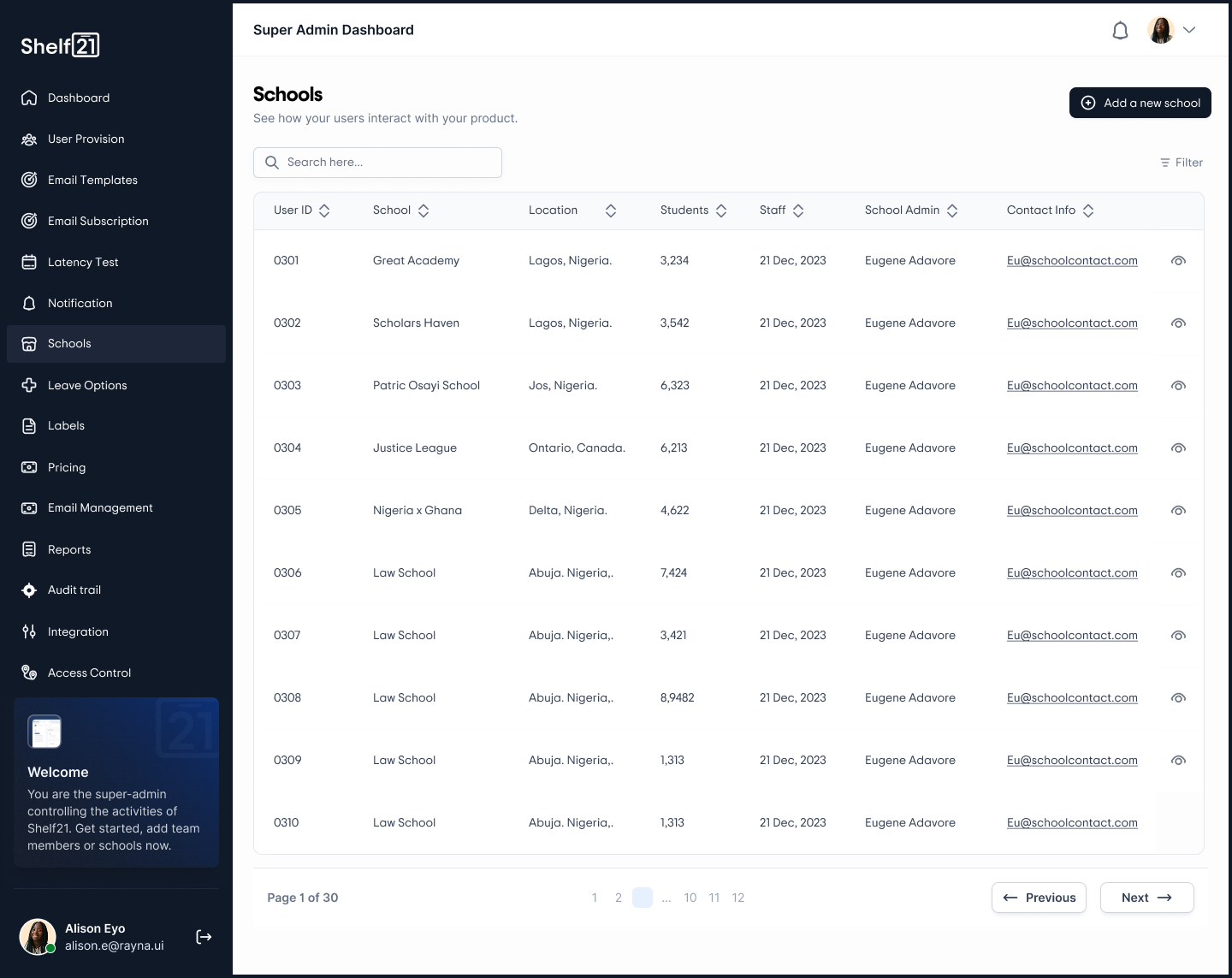
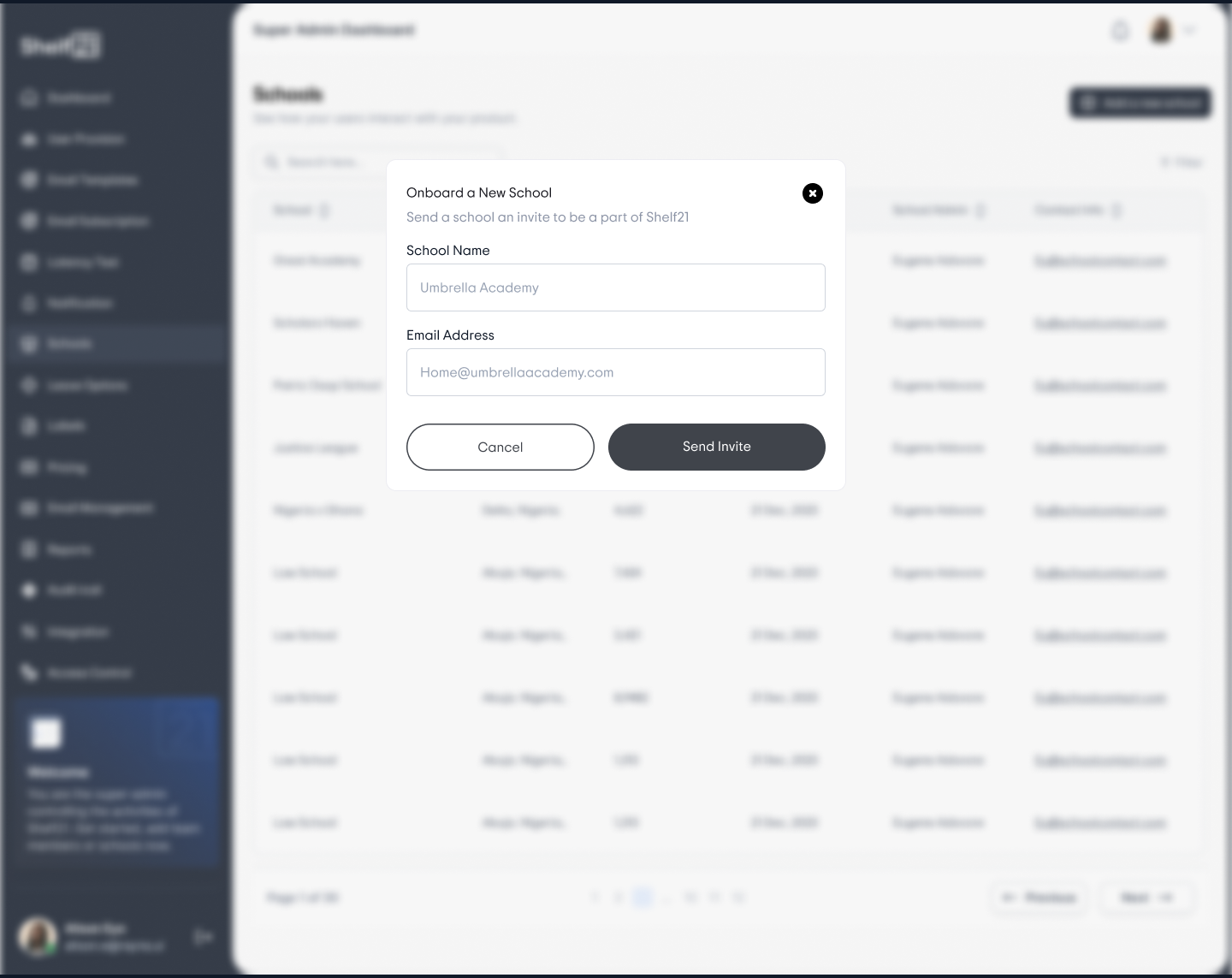
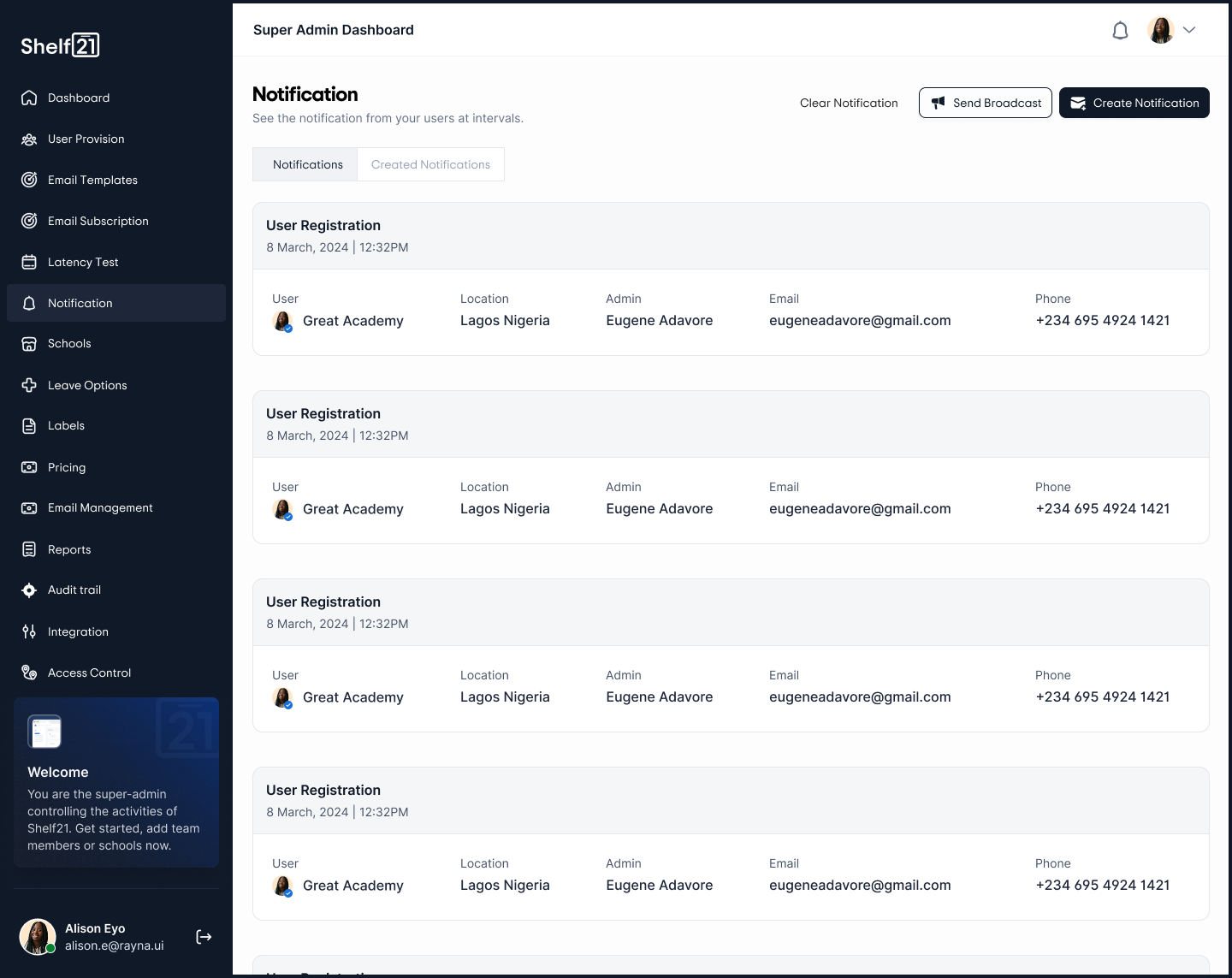
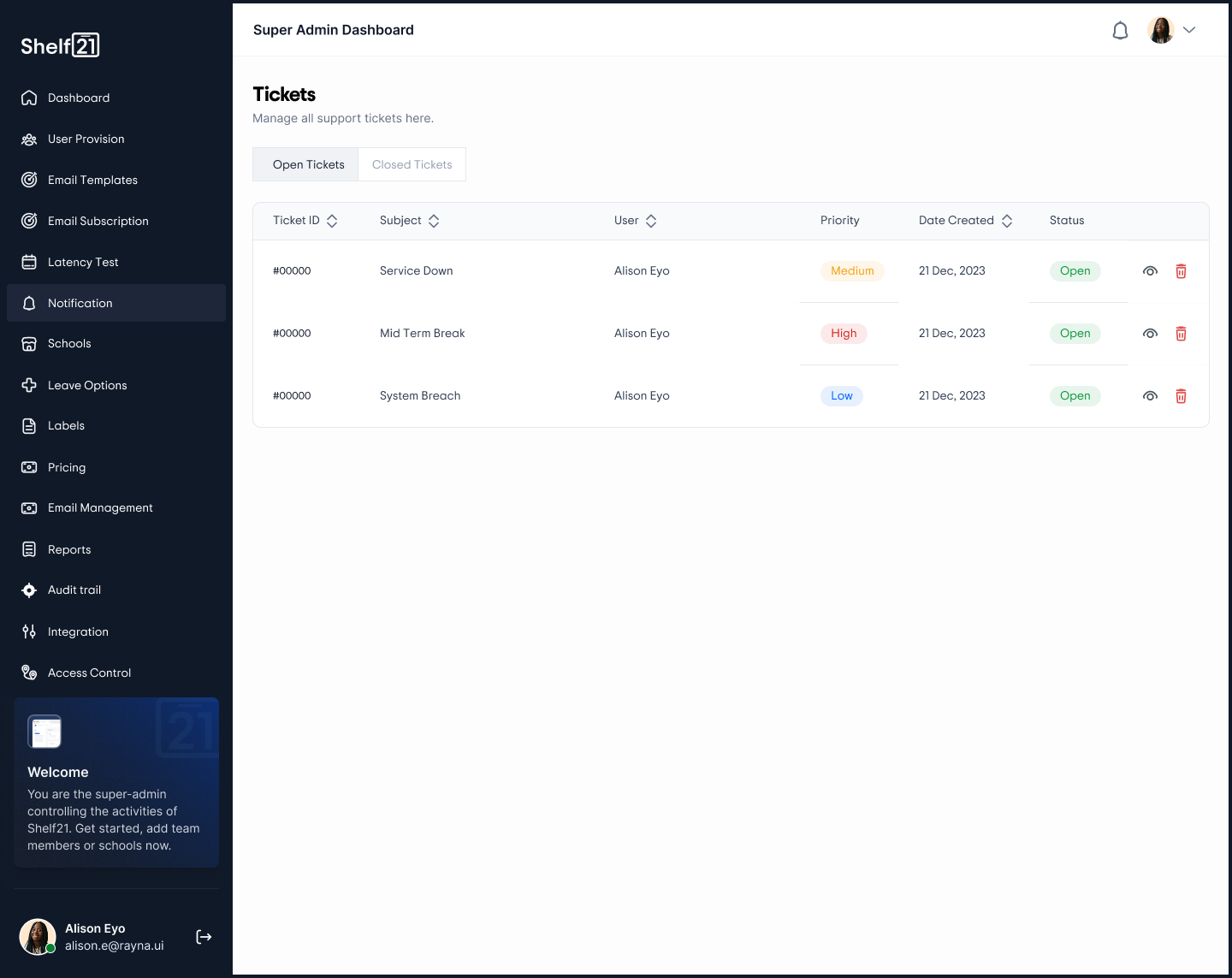
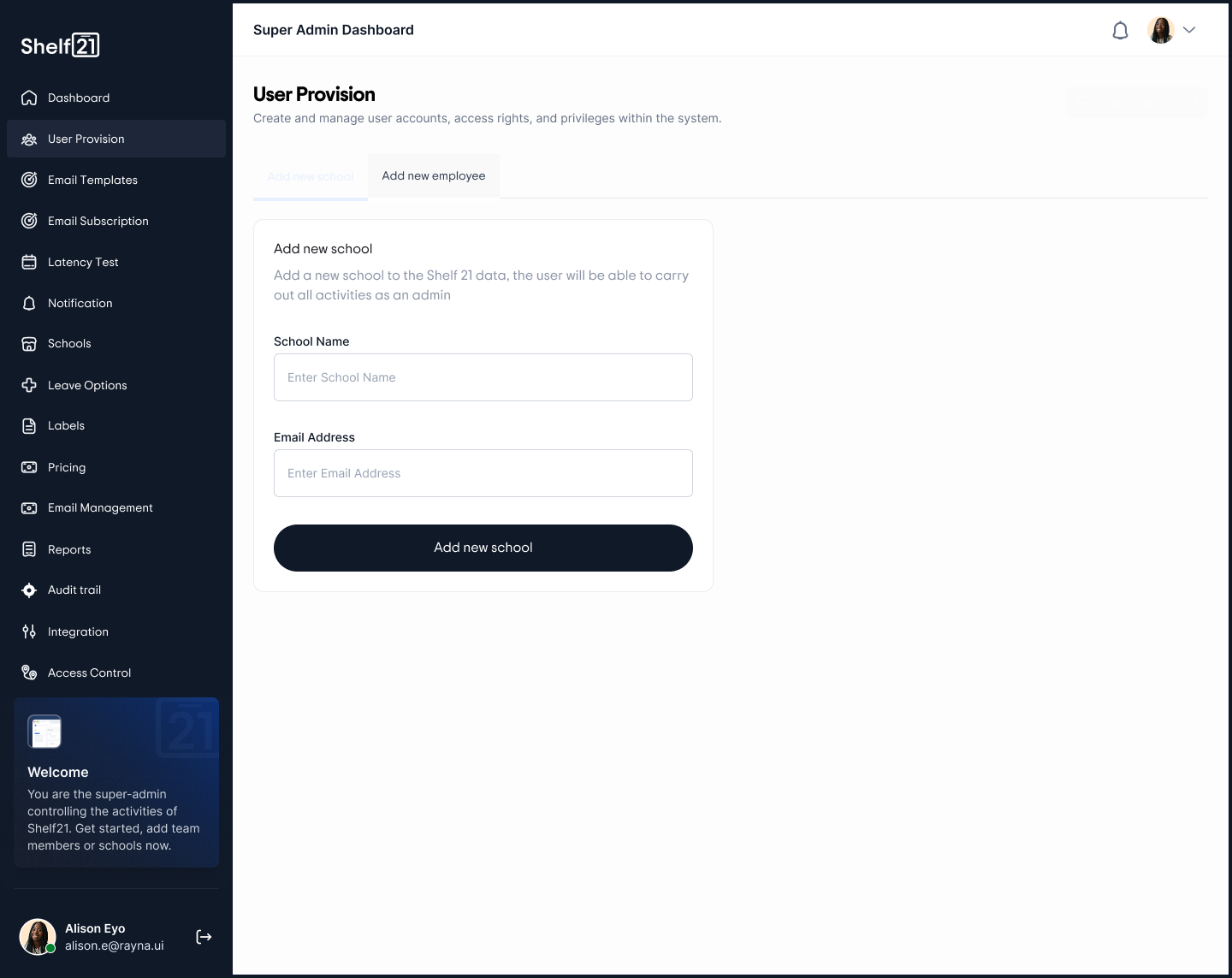
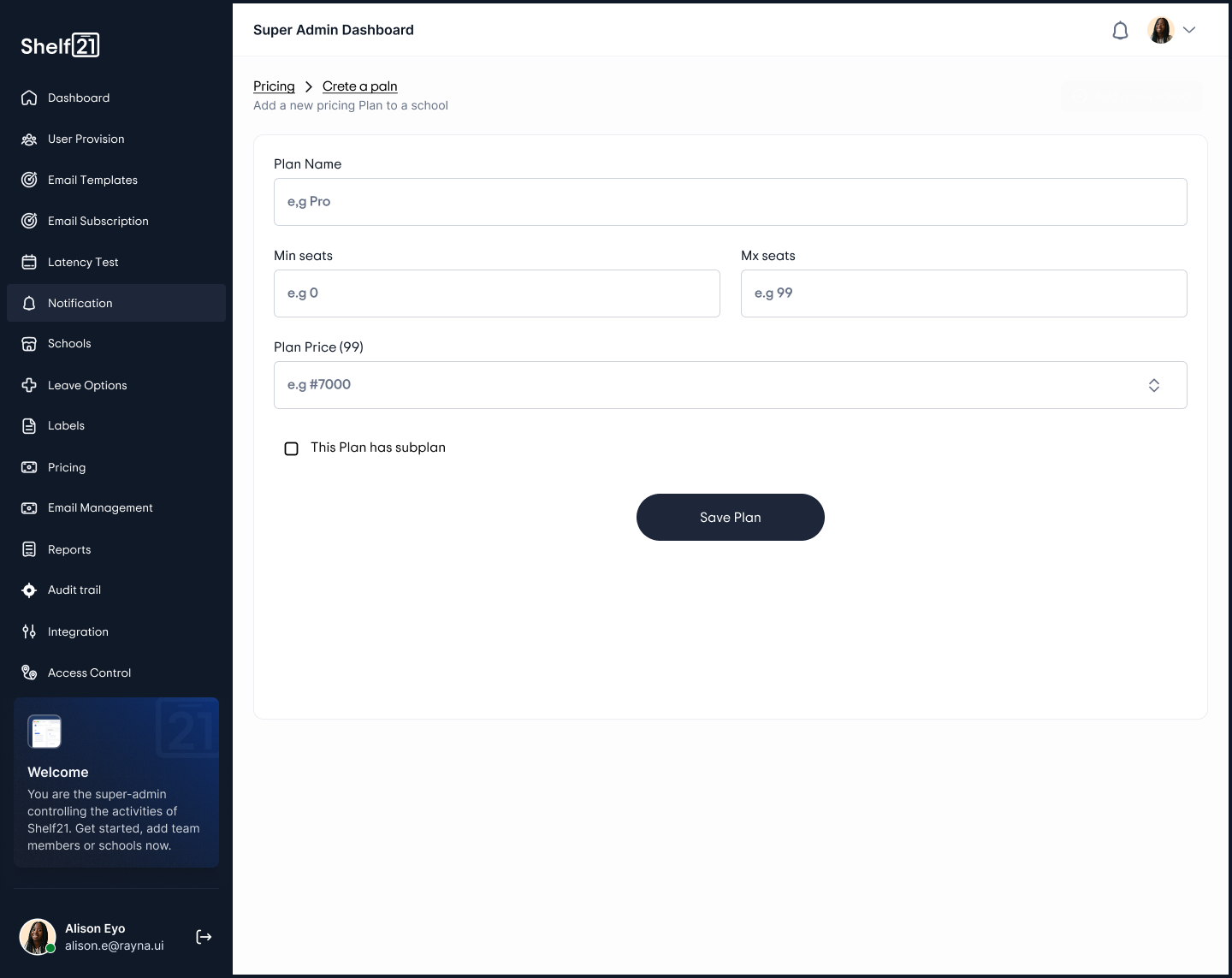
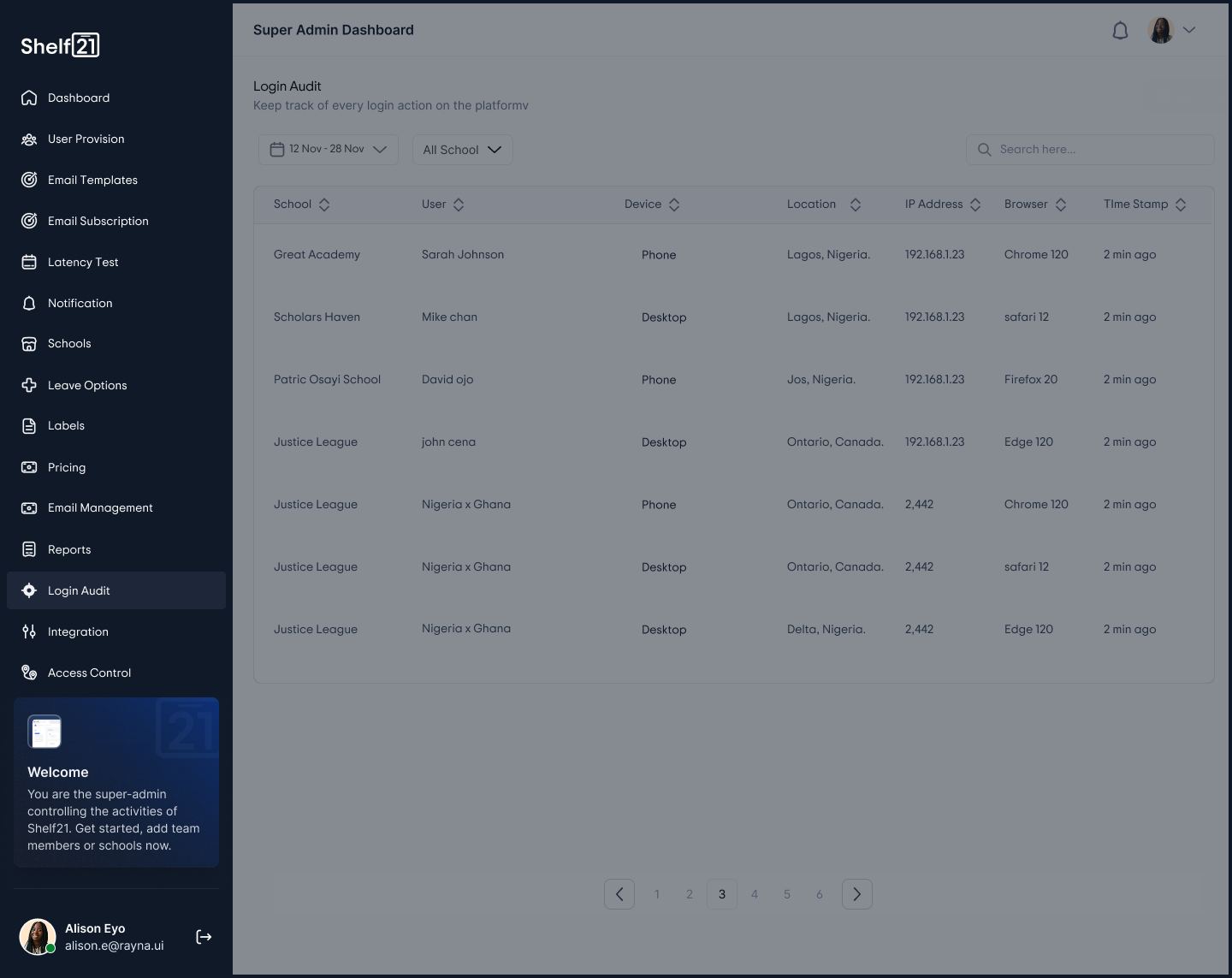
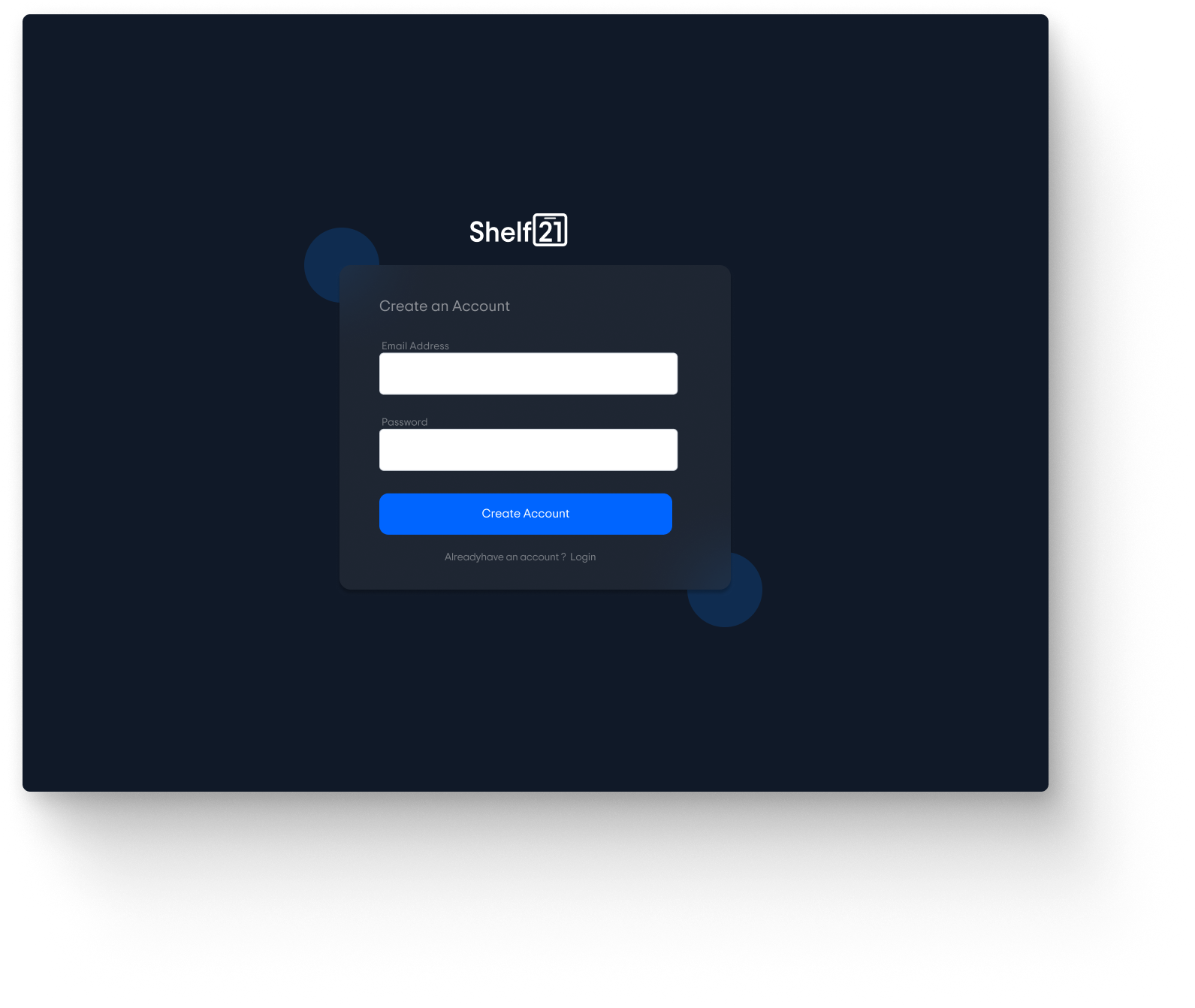
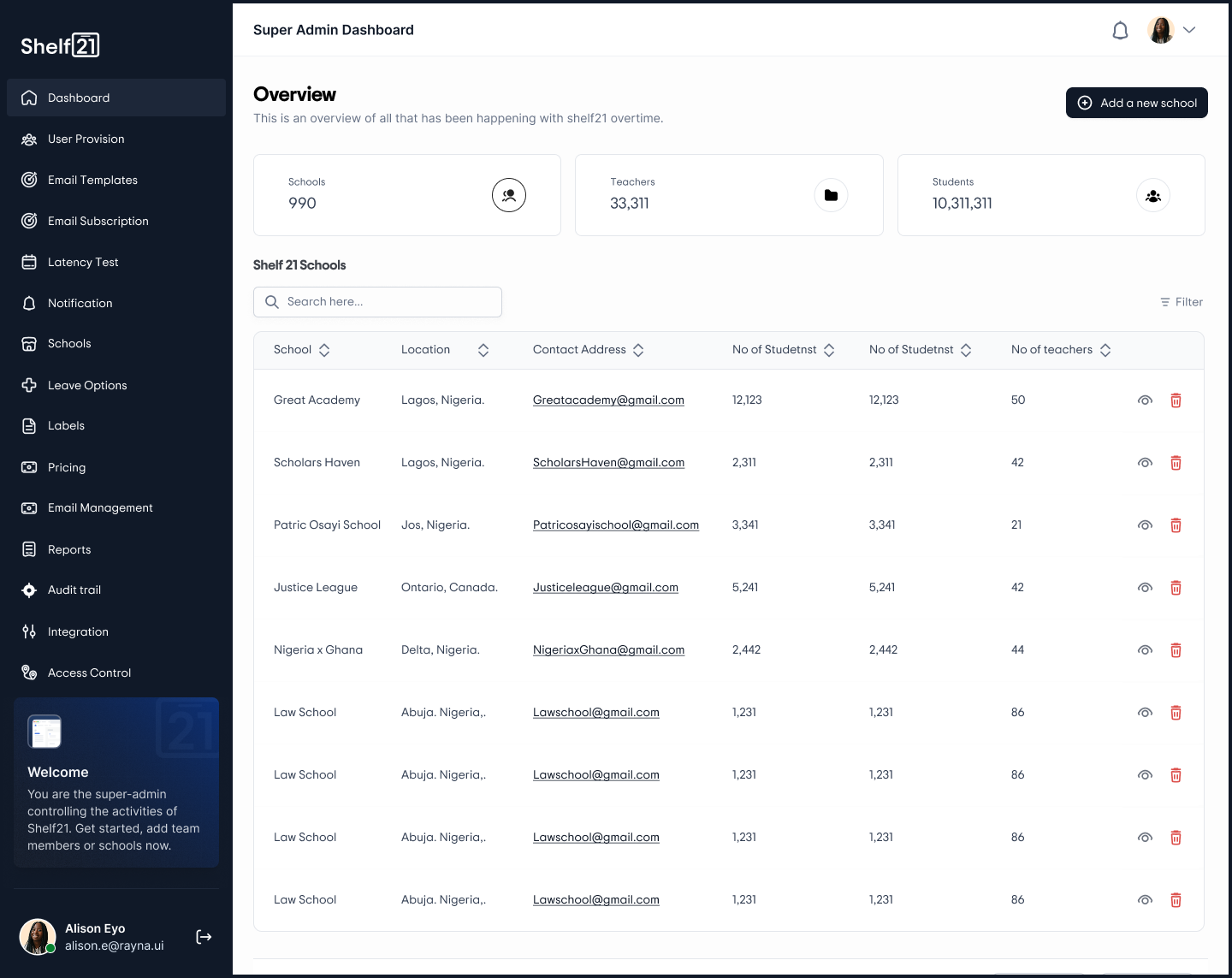
Four roles, each seeing only the school they need.

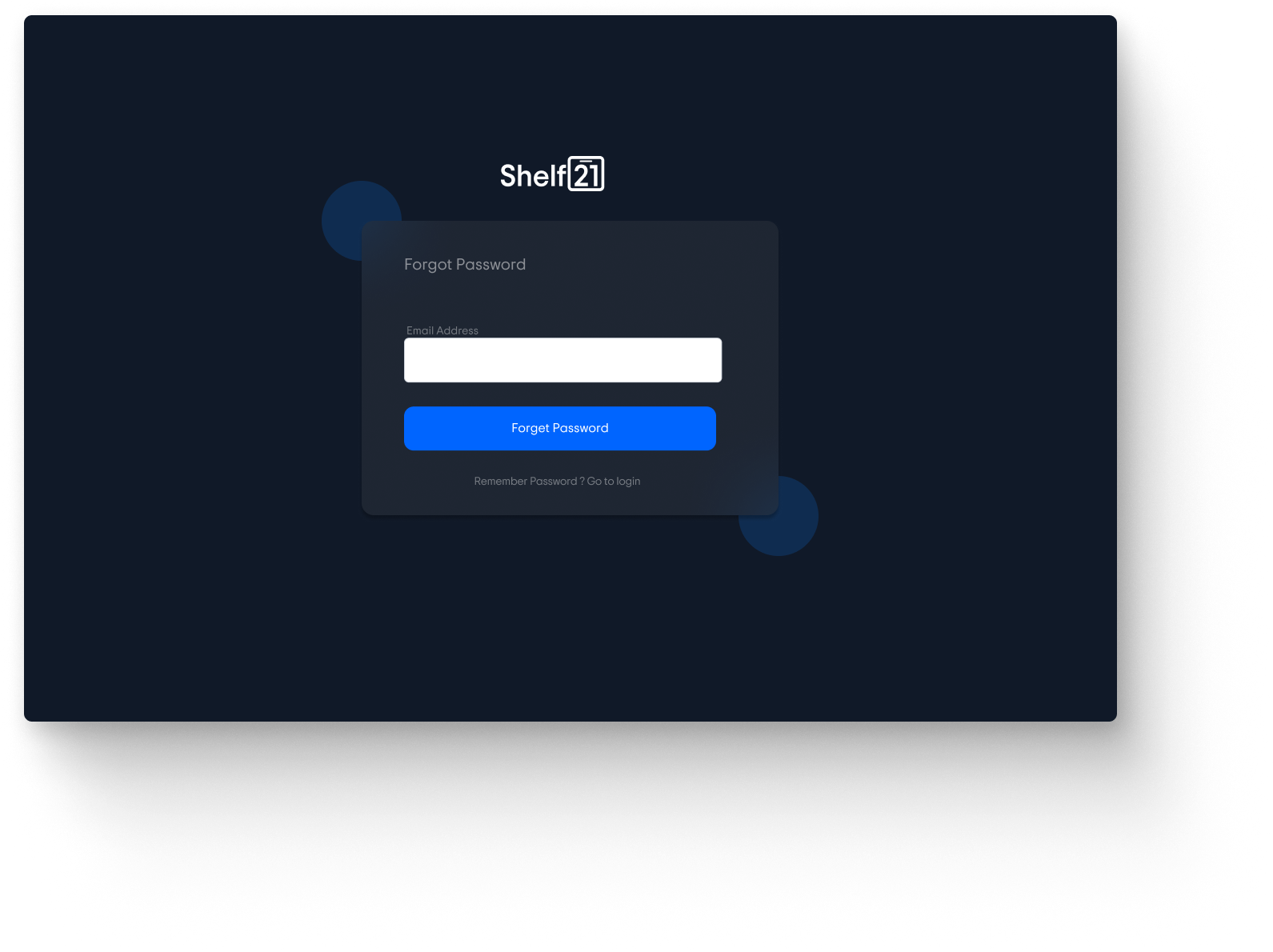
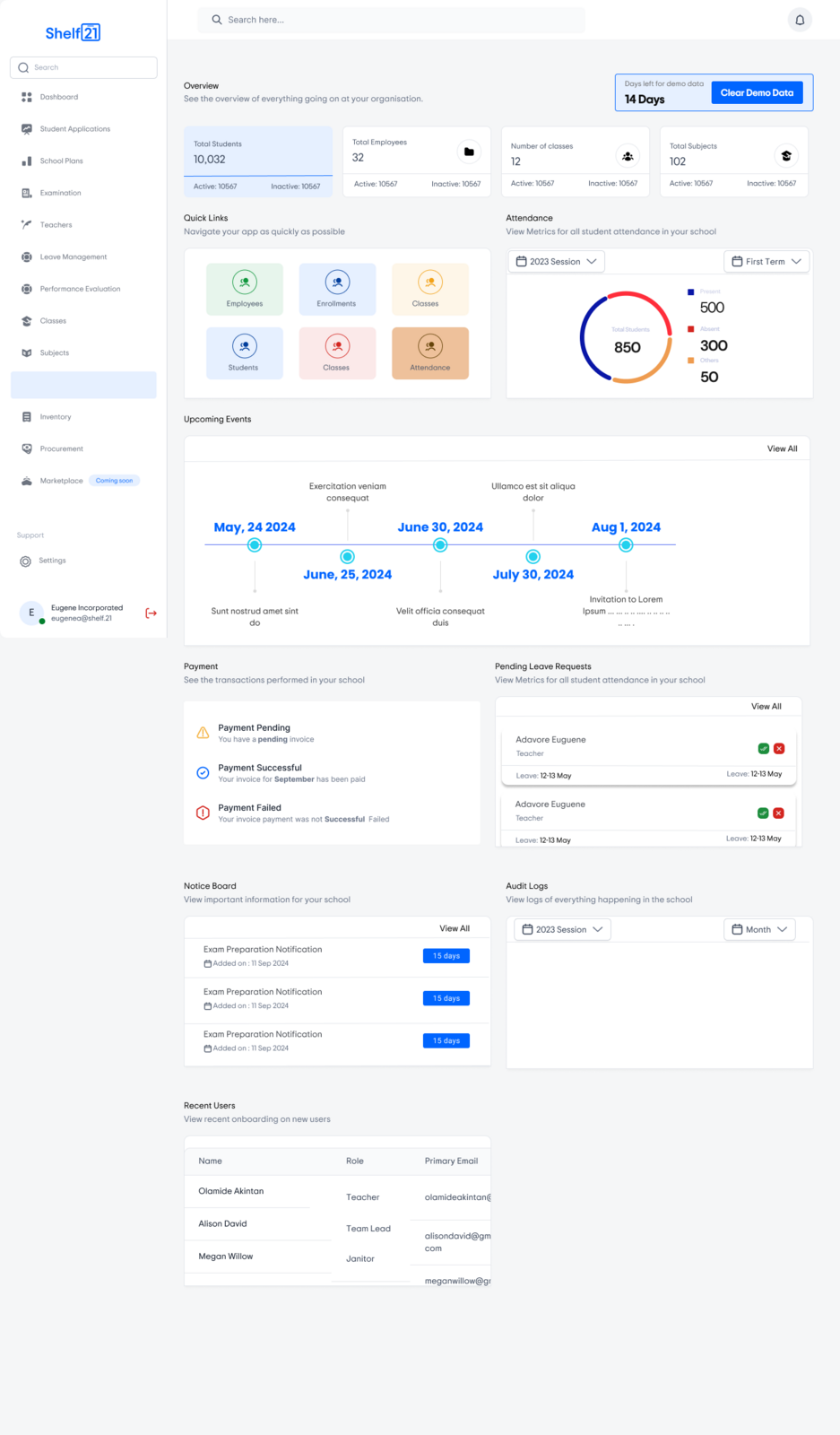
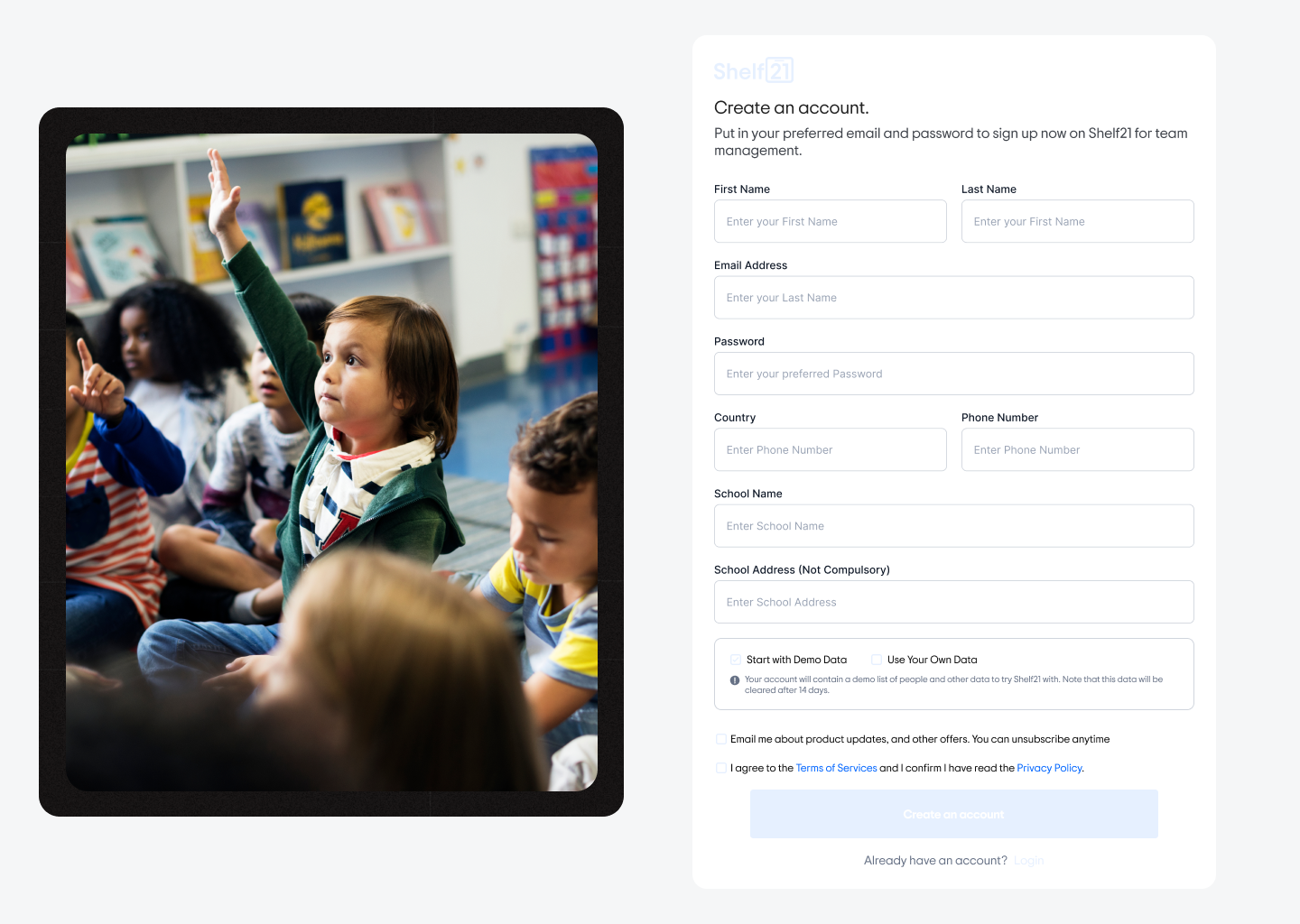
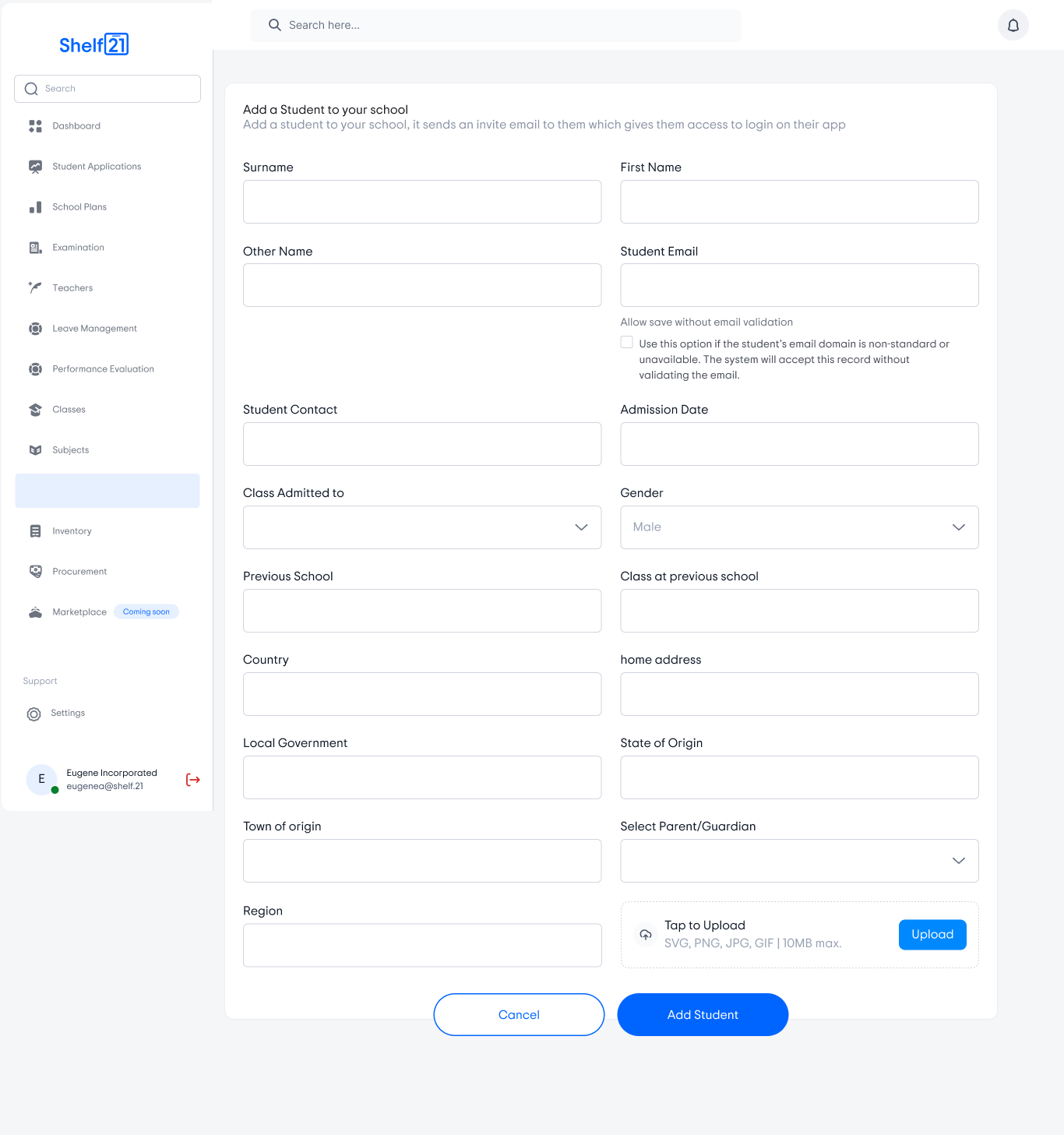
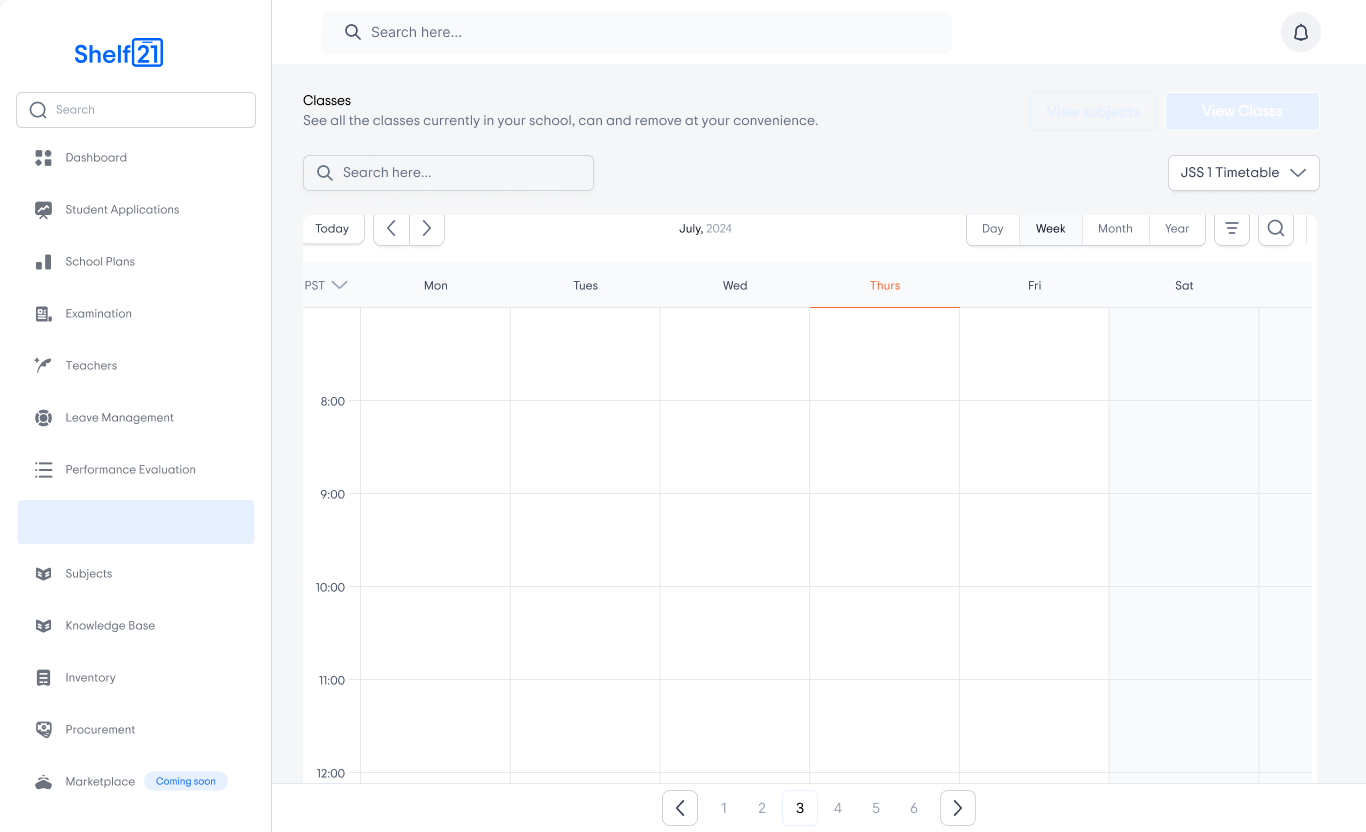
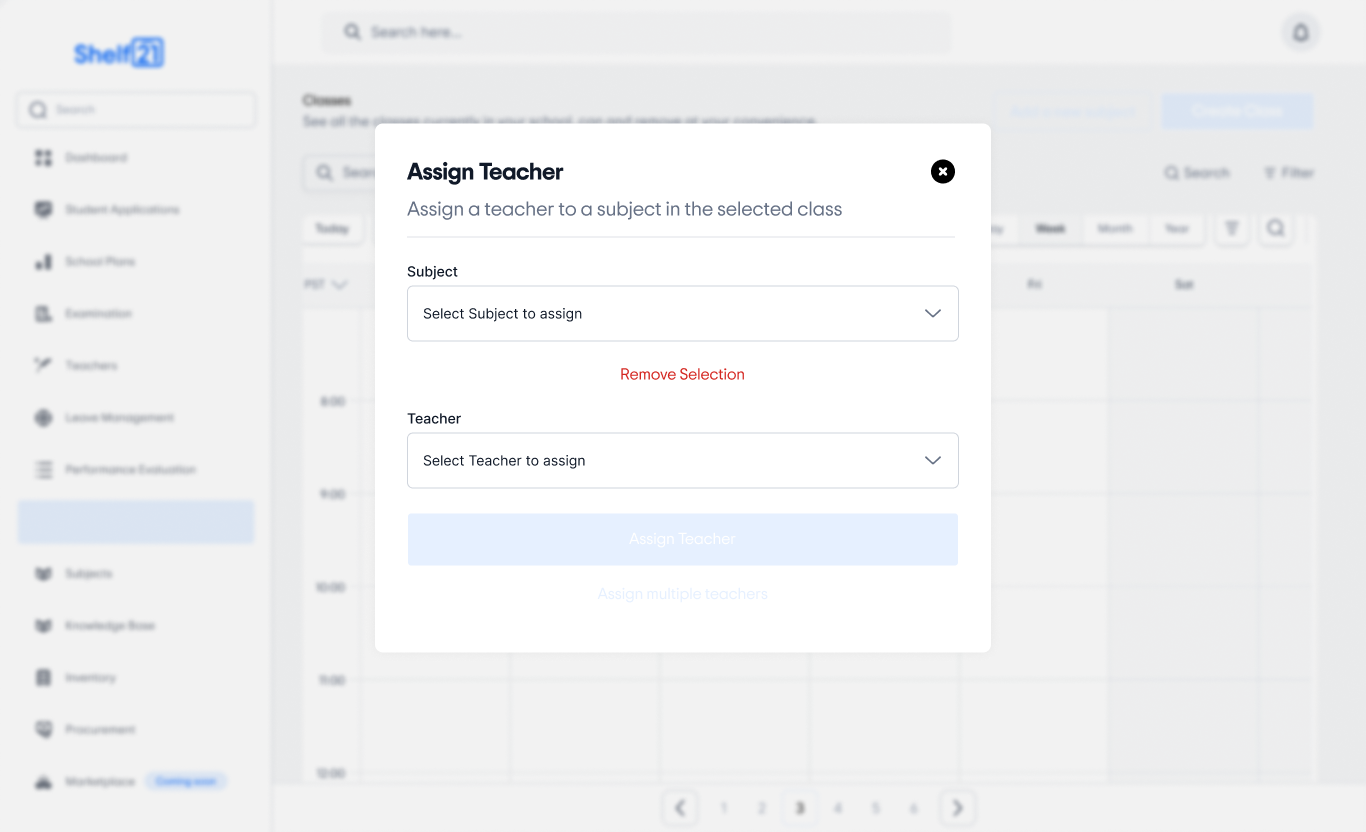
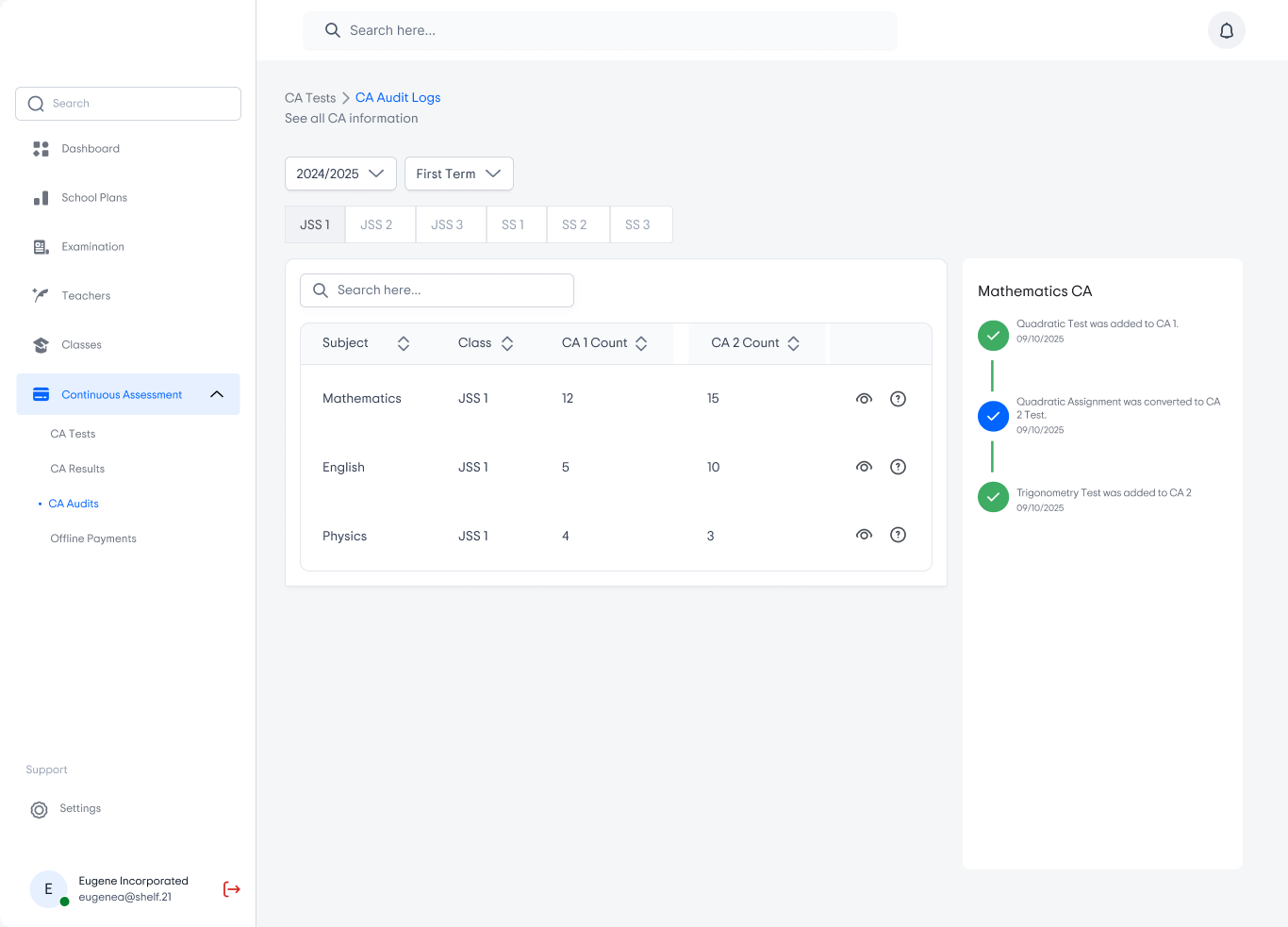
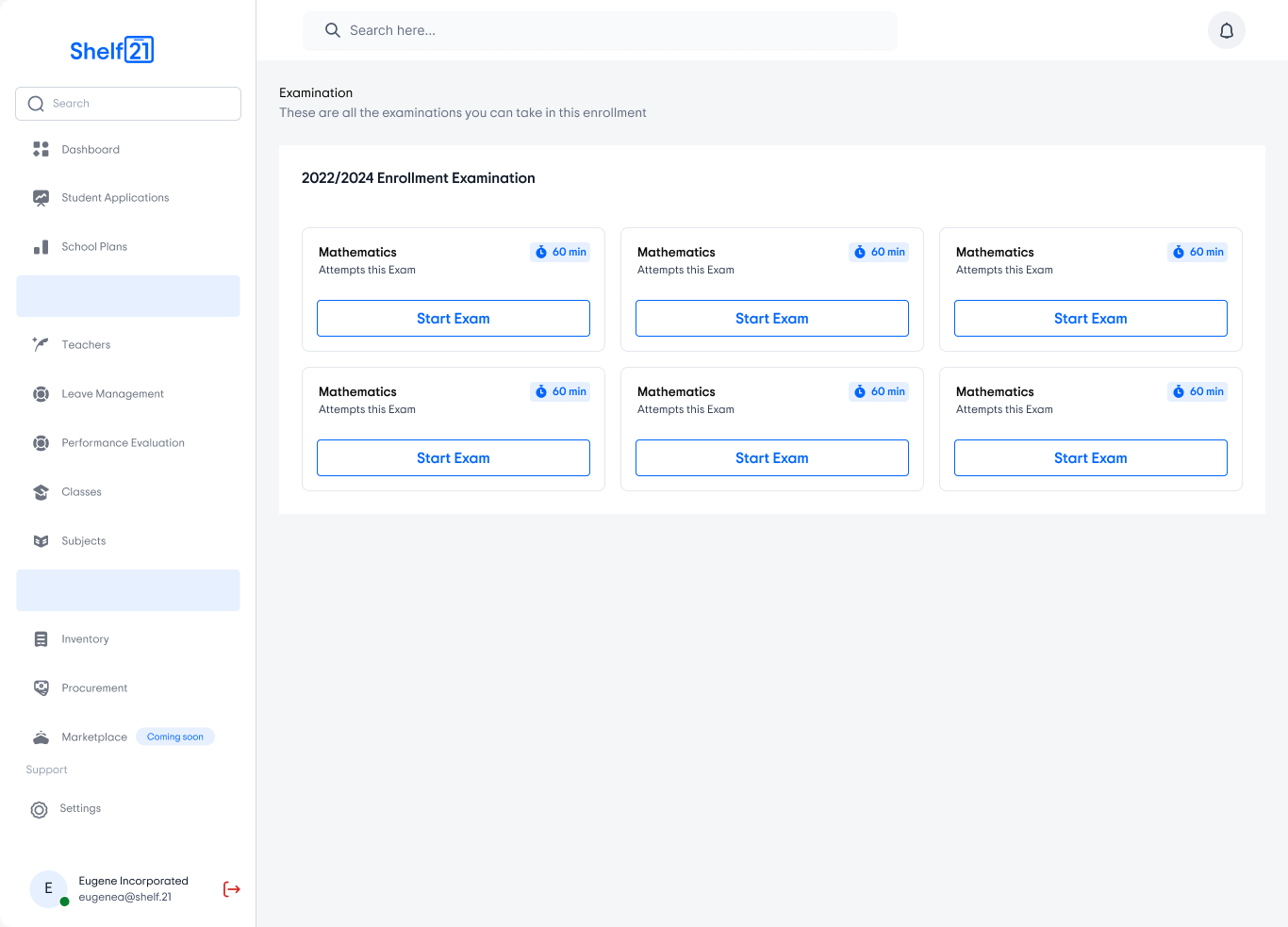
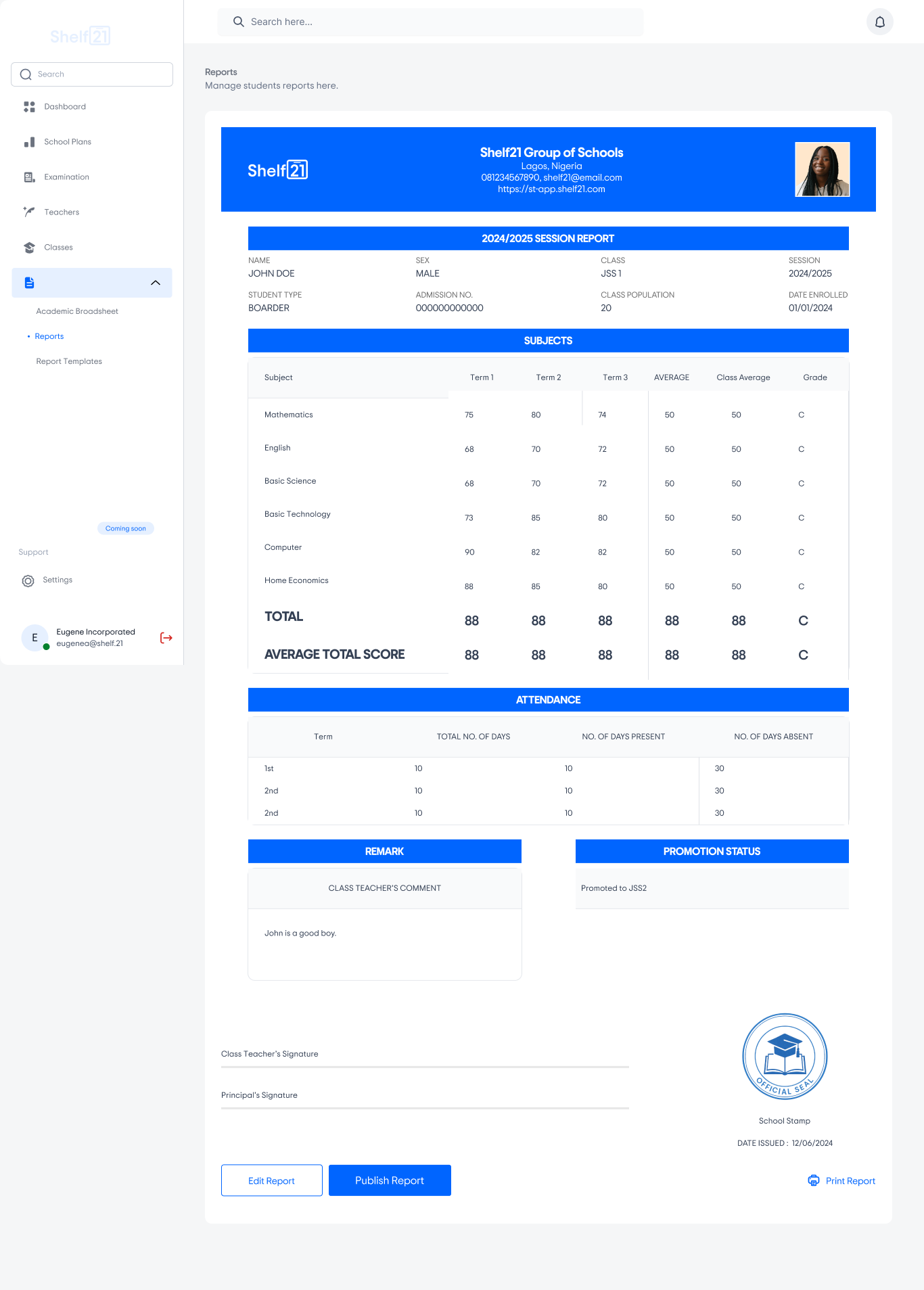
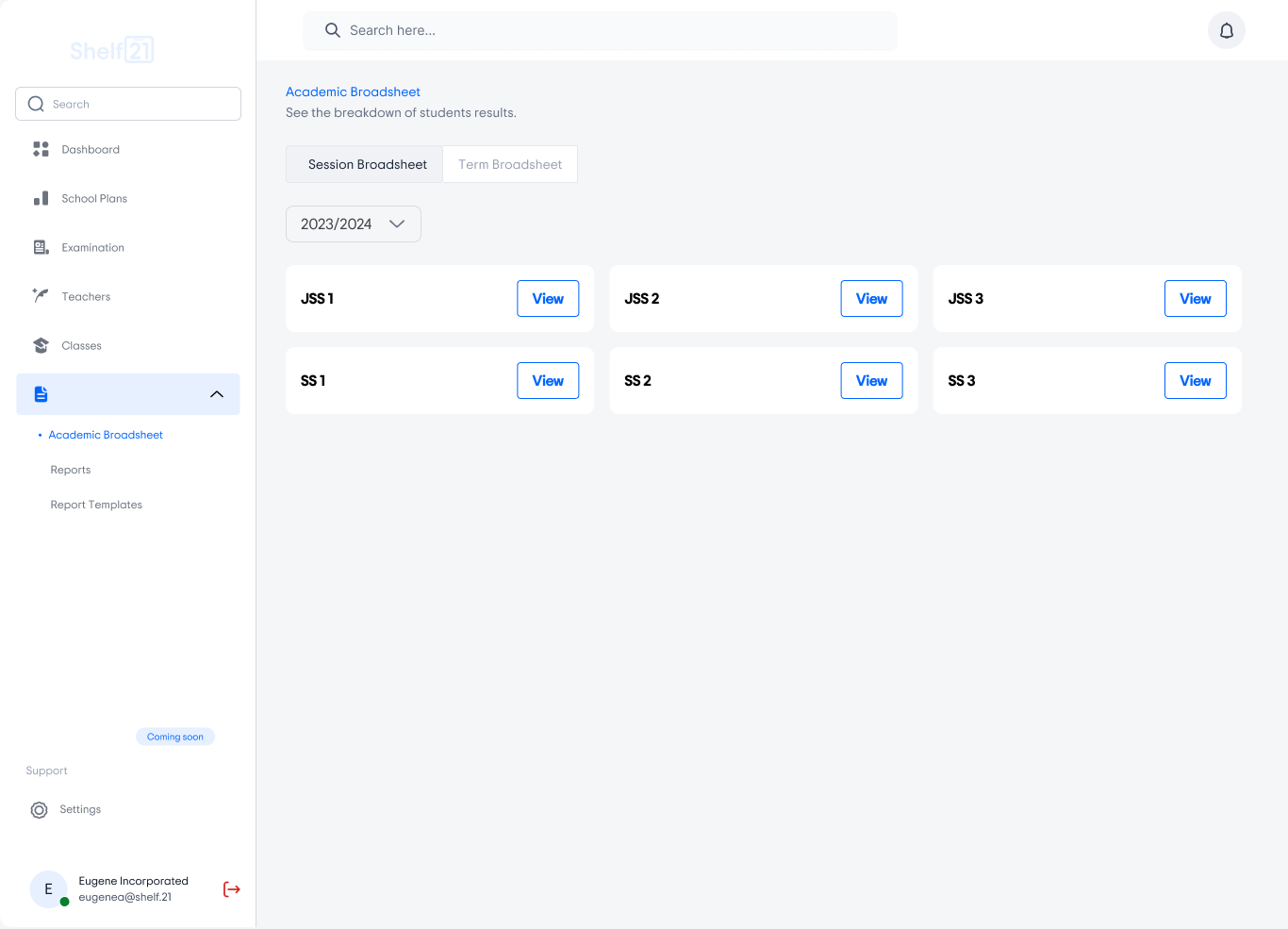
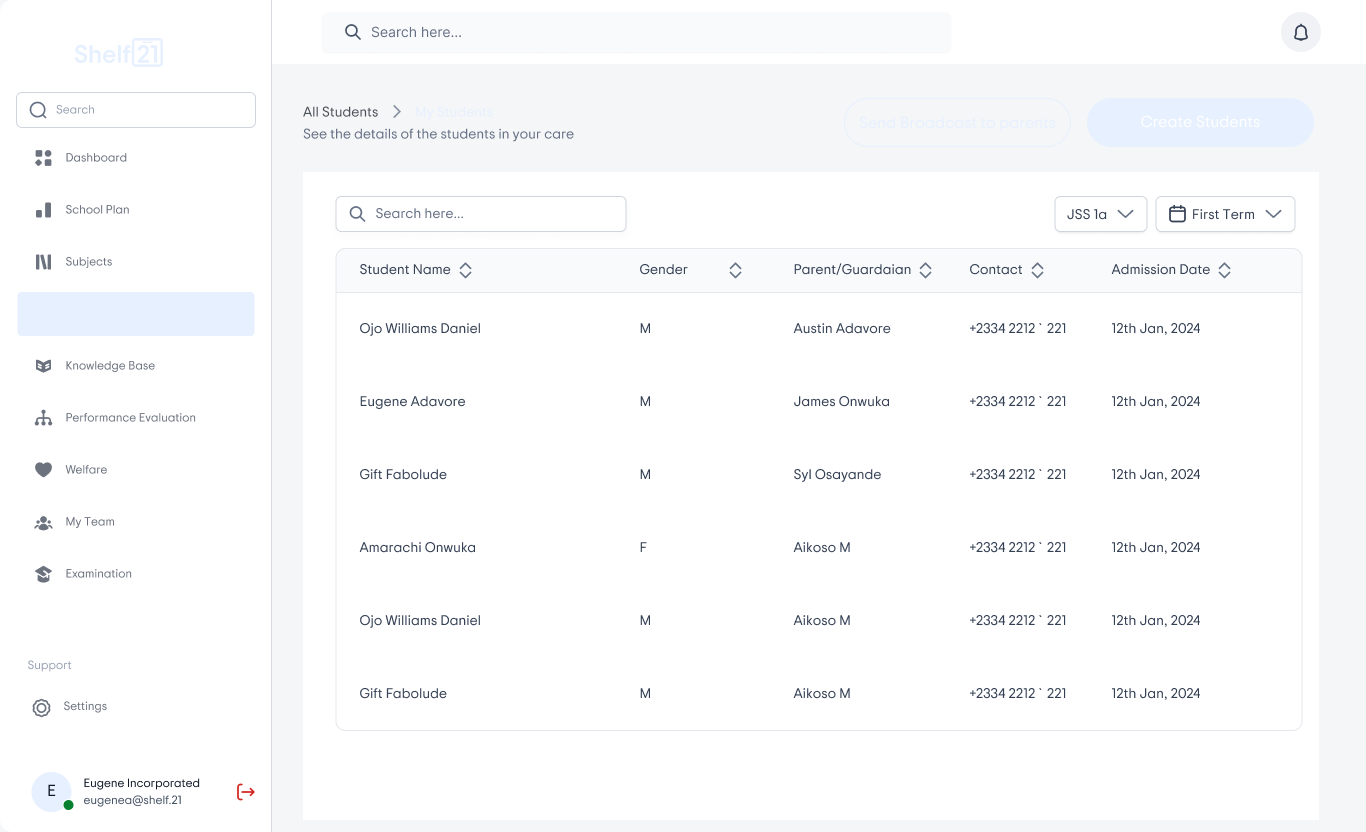
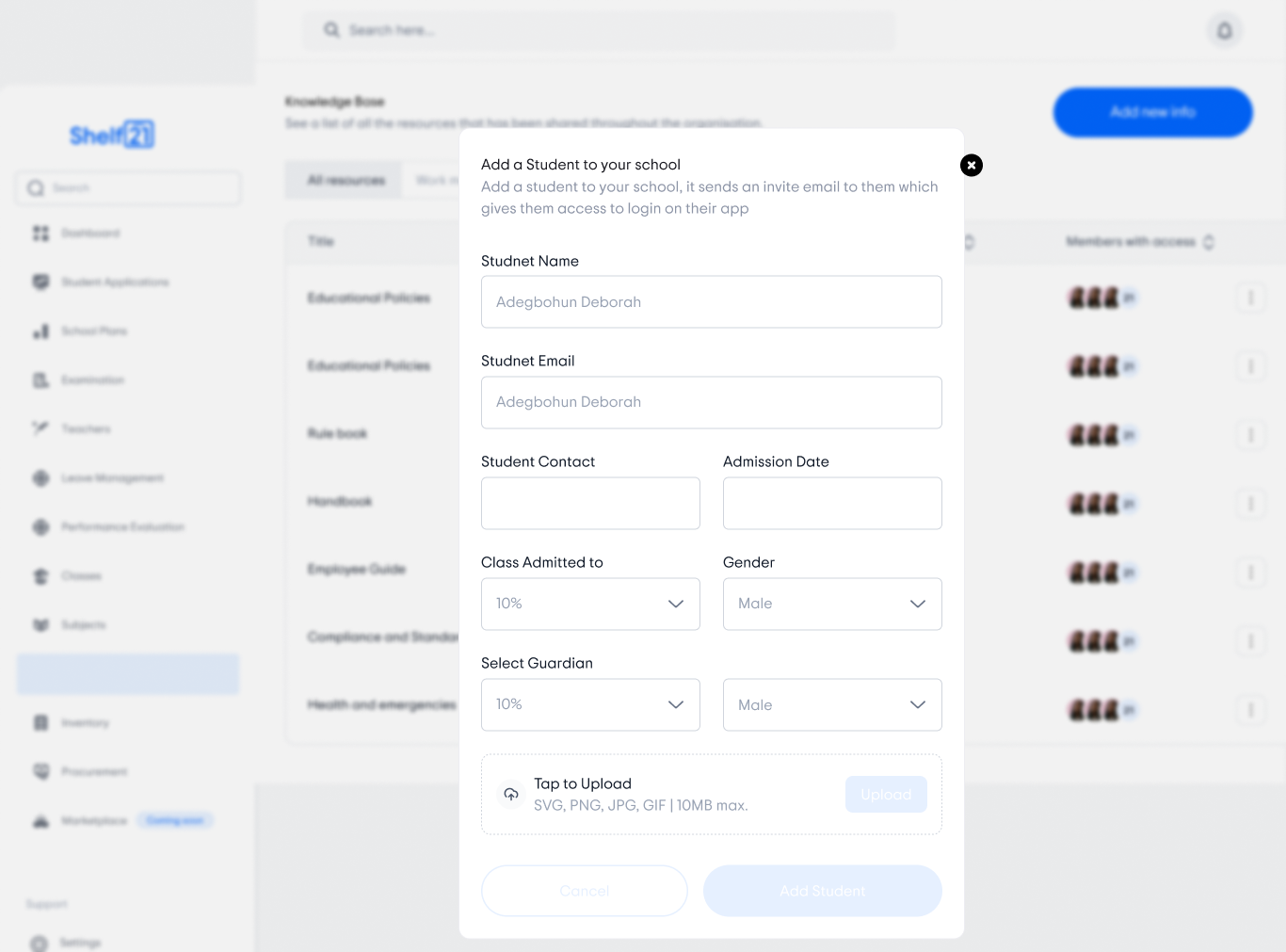
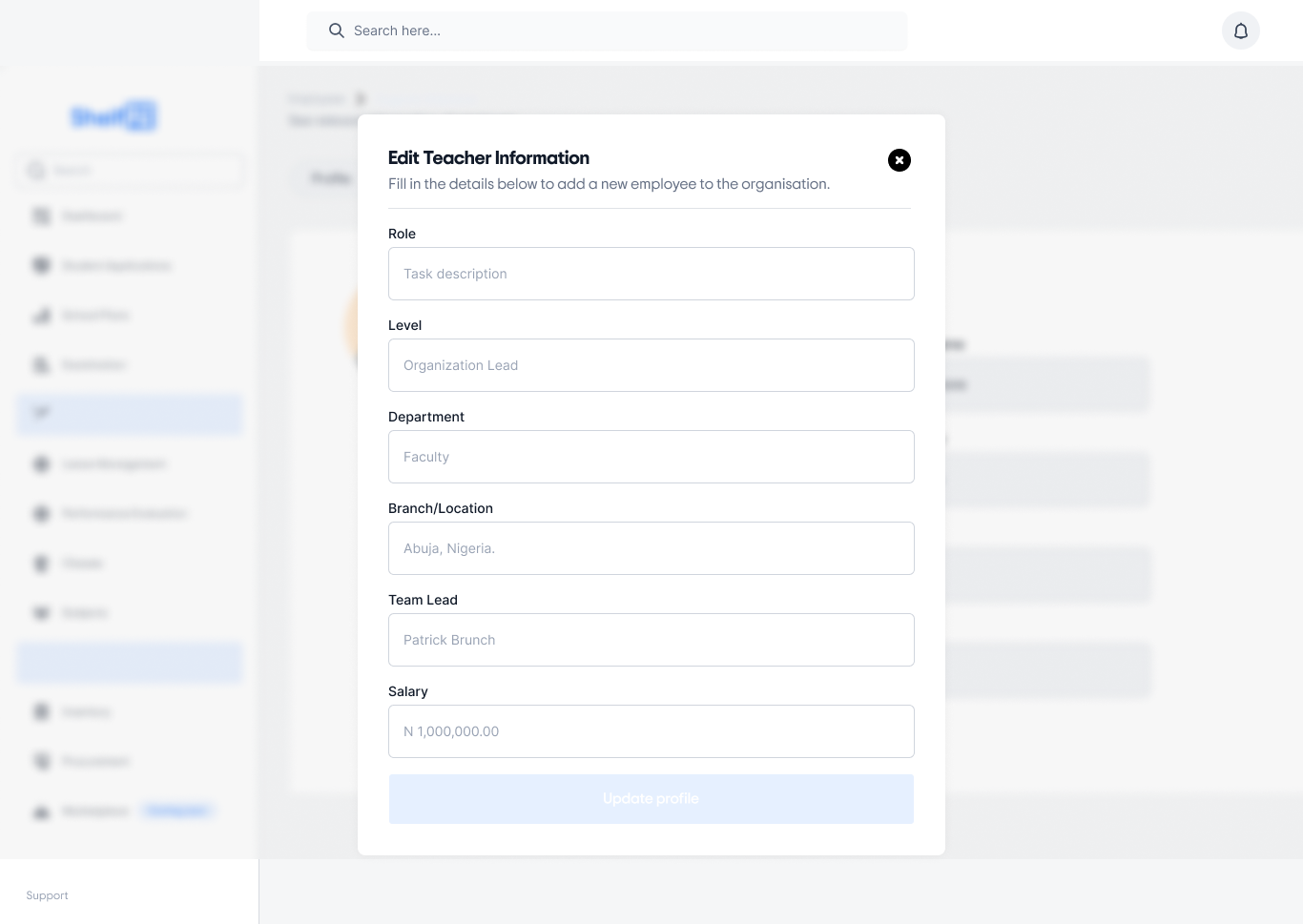
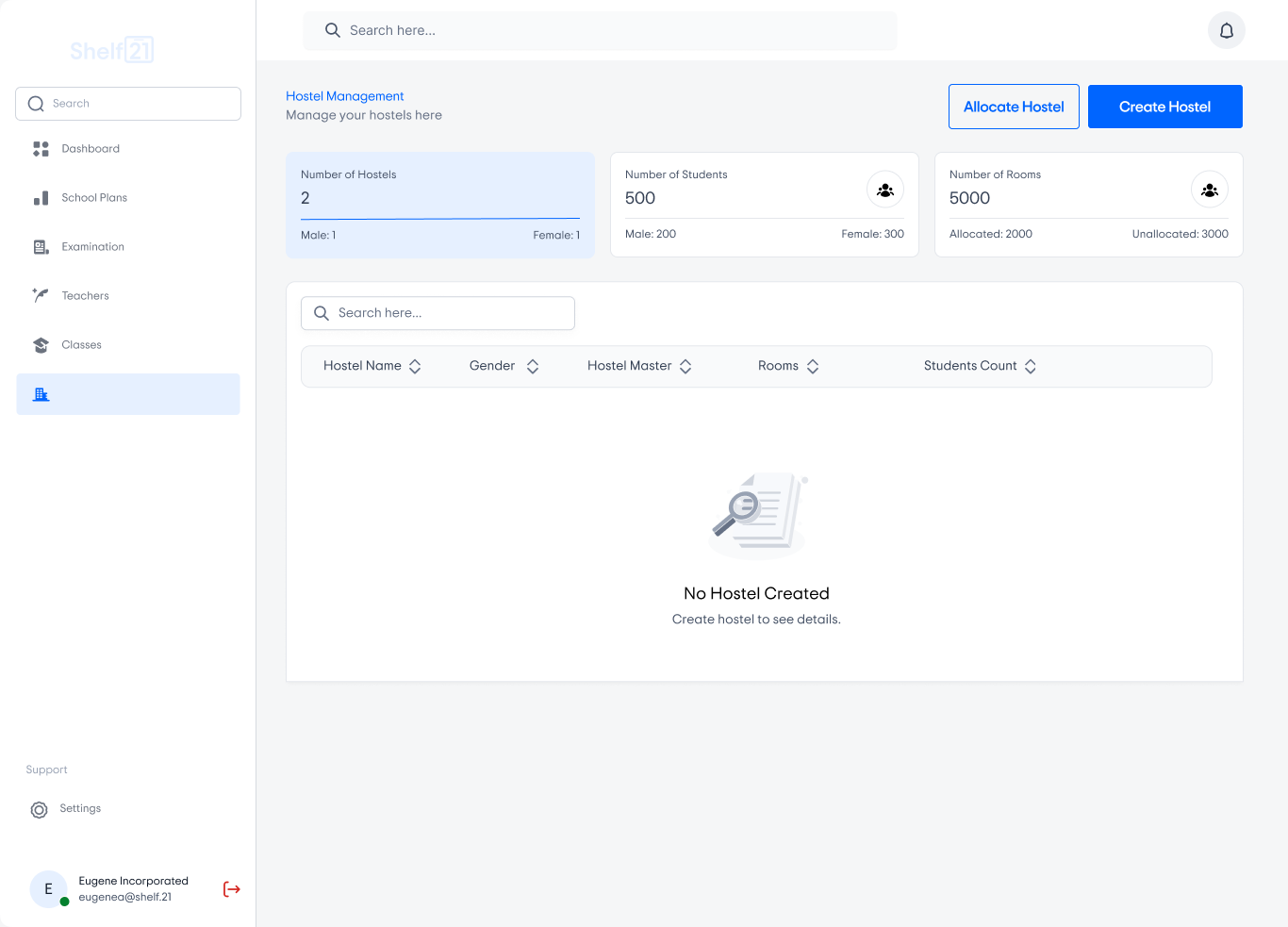
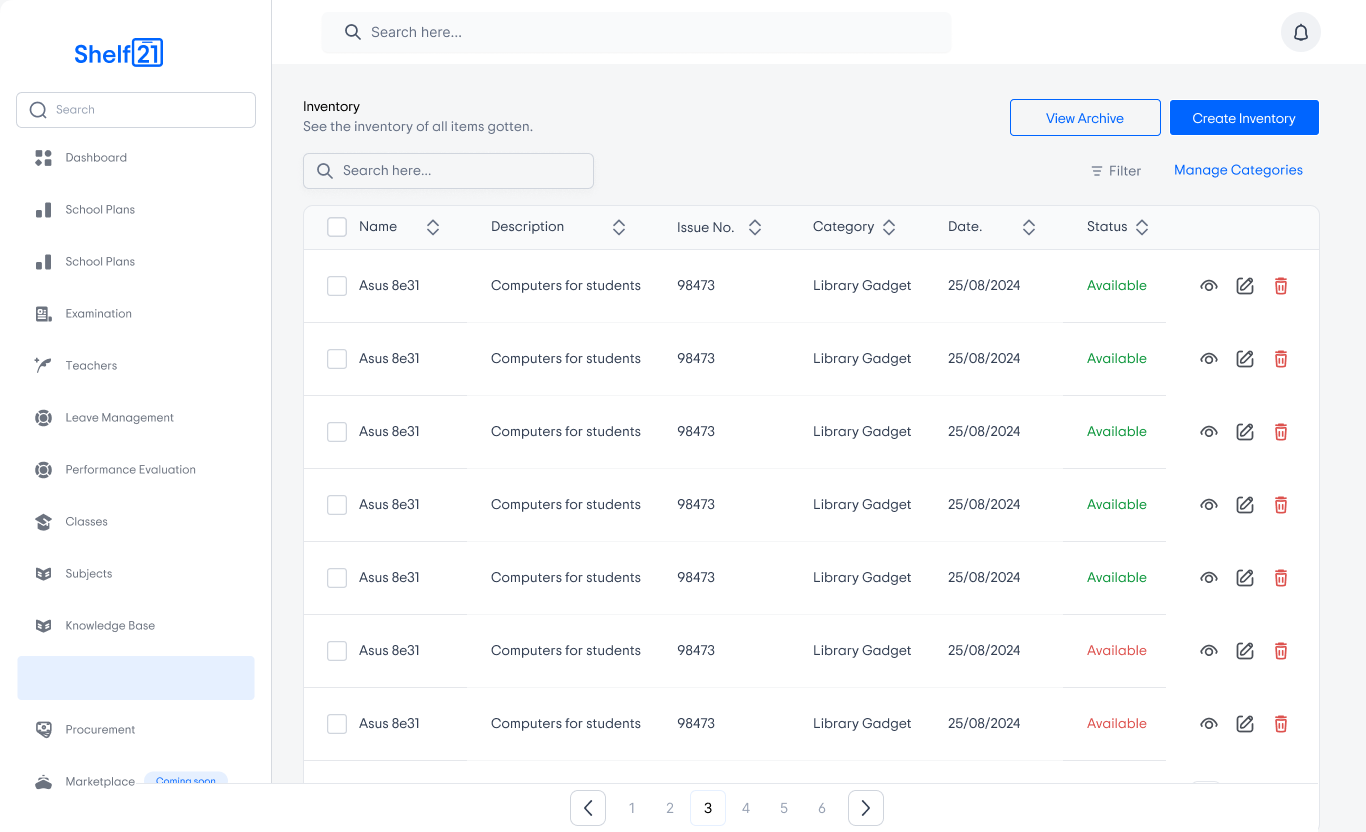
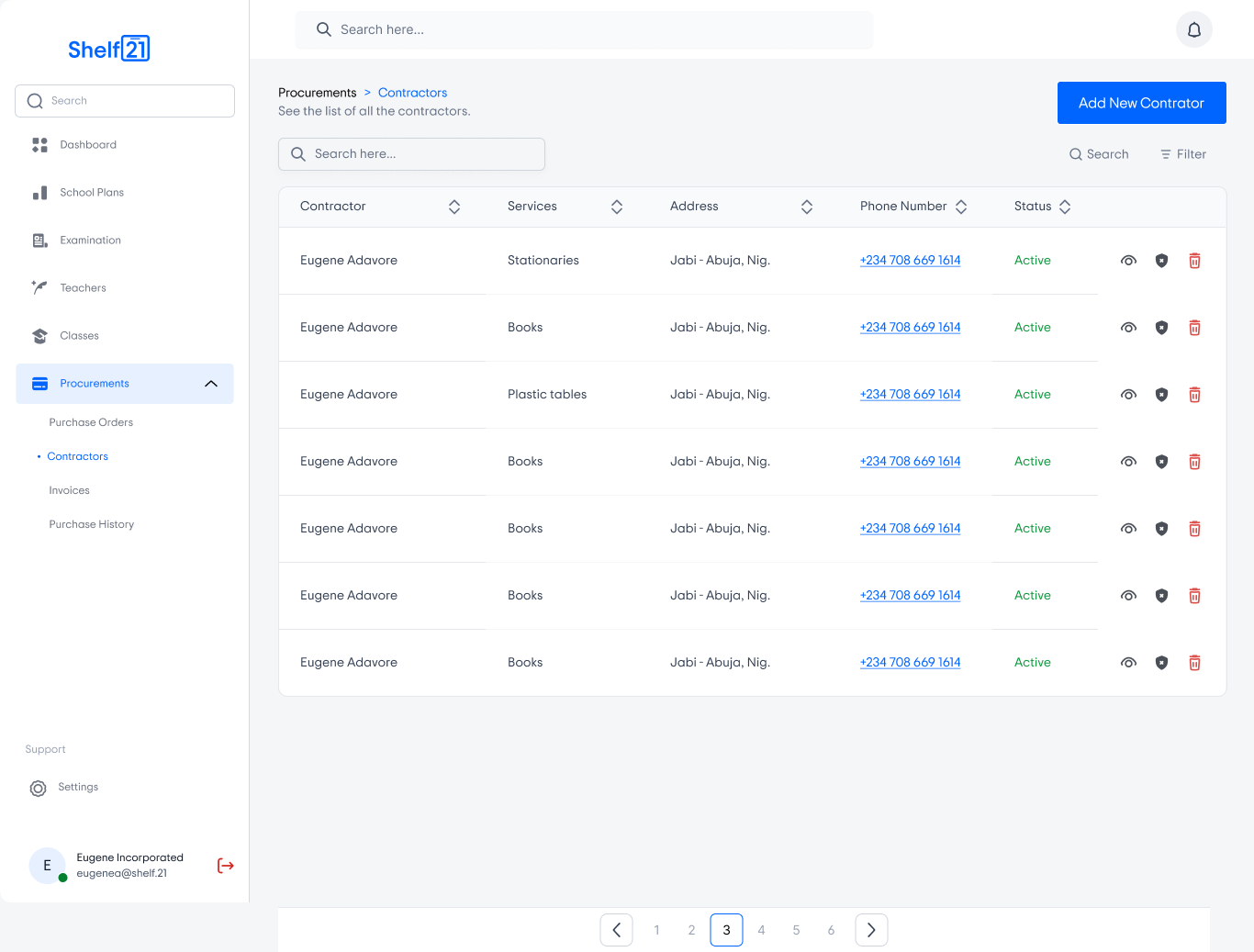
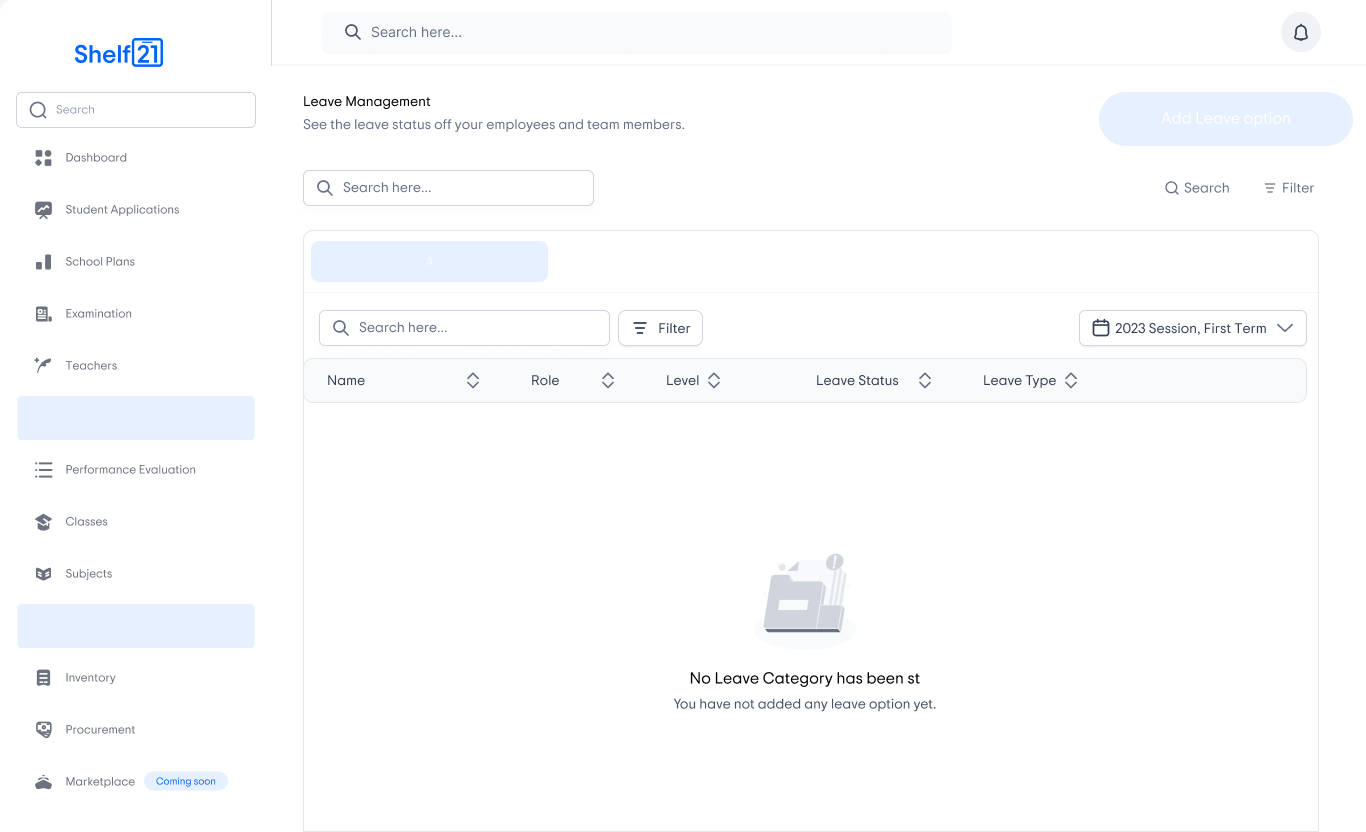
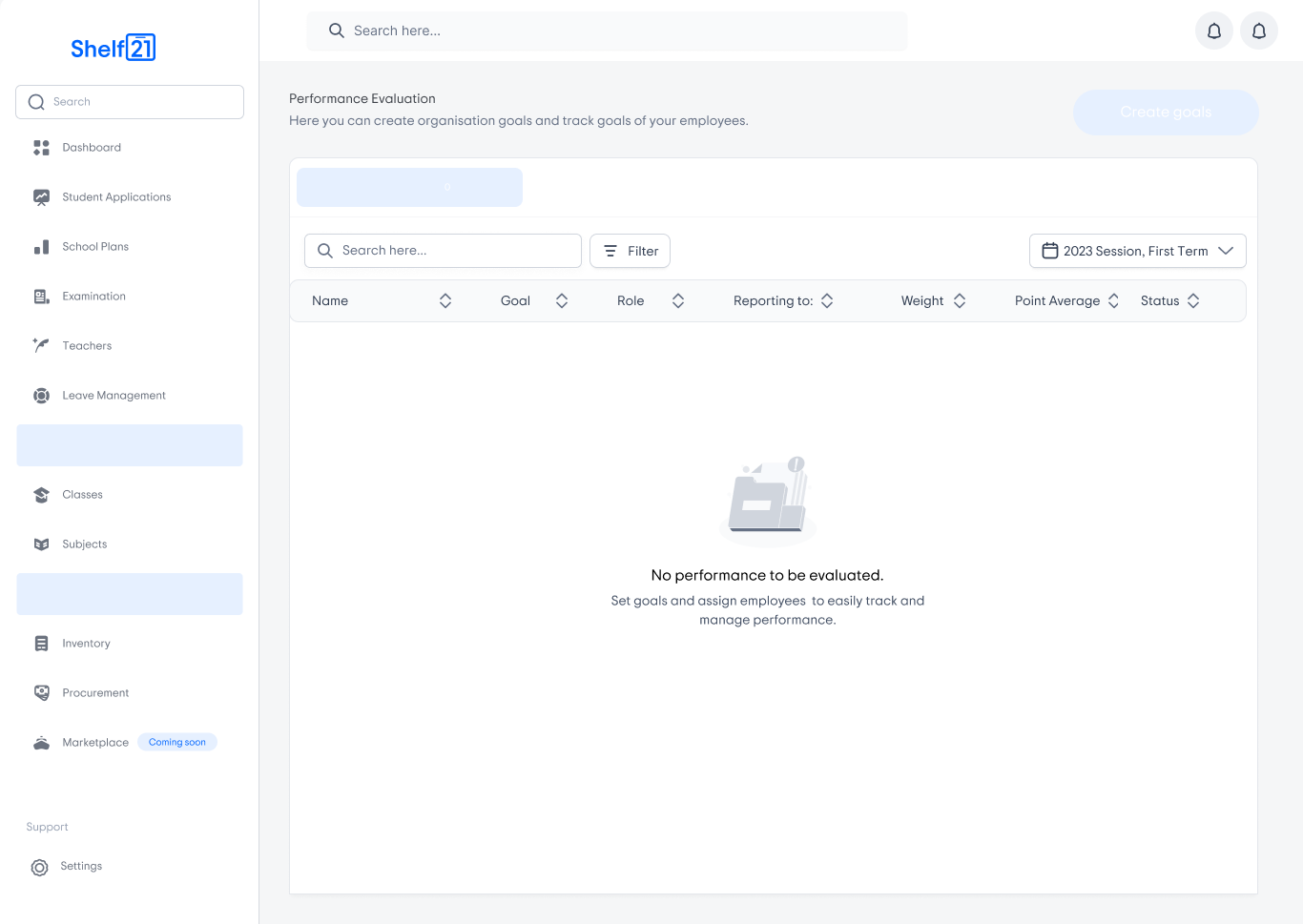
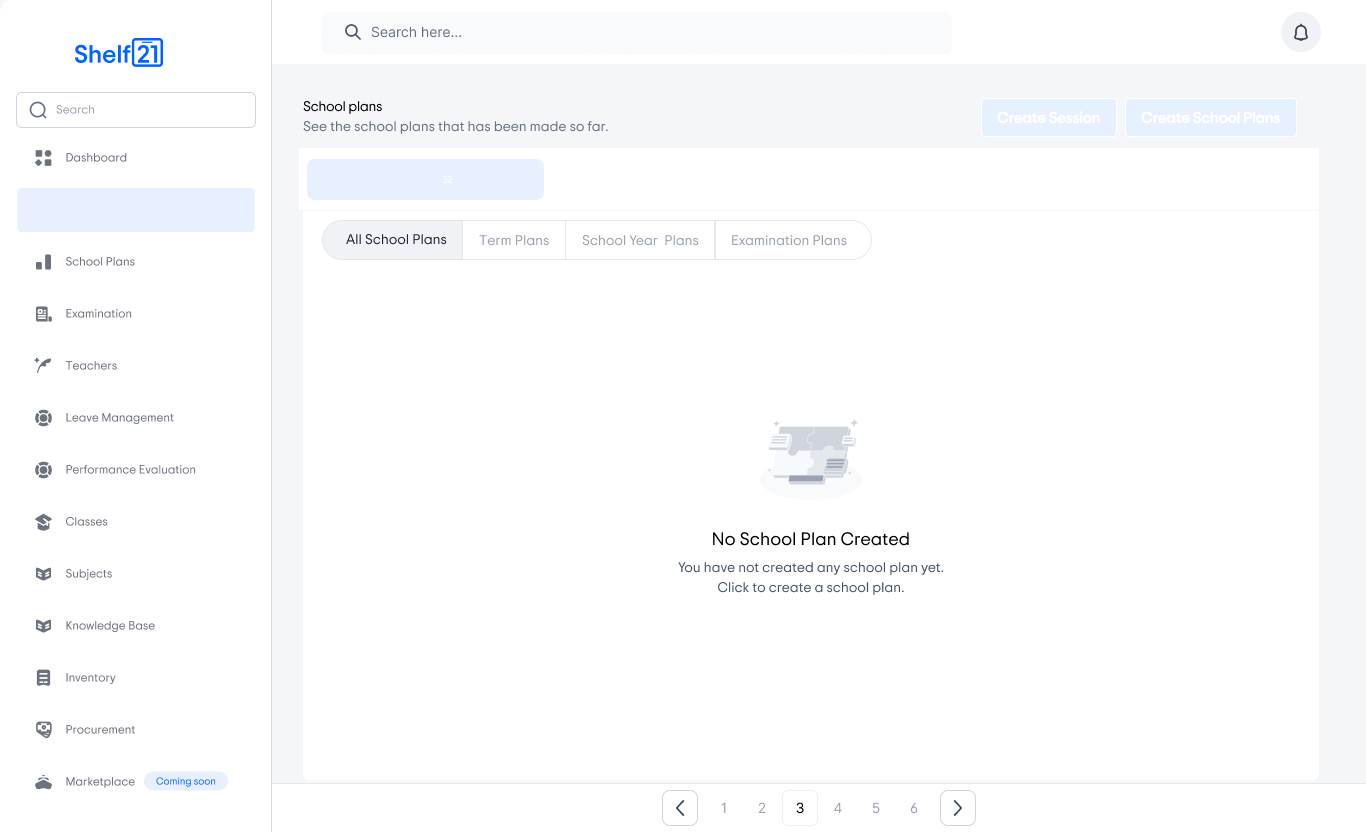
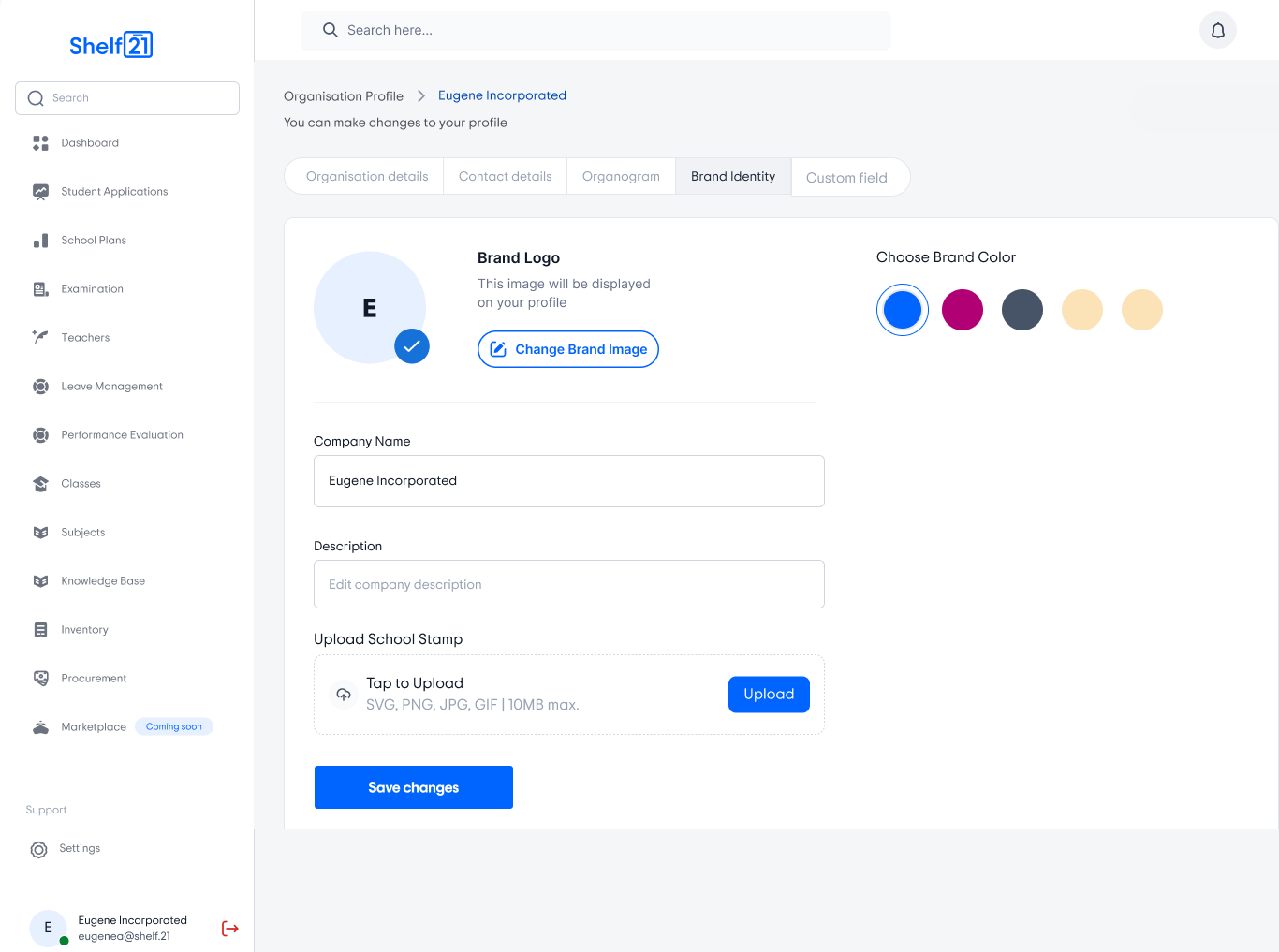
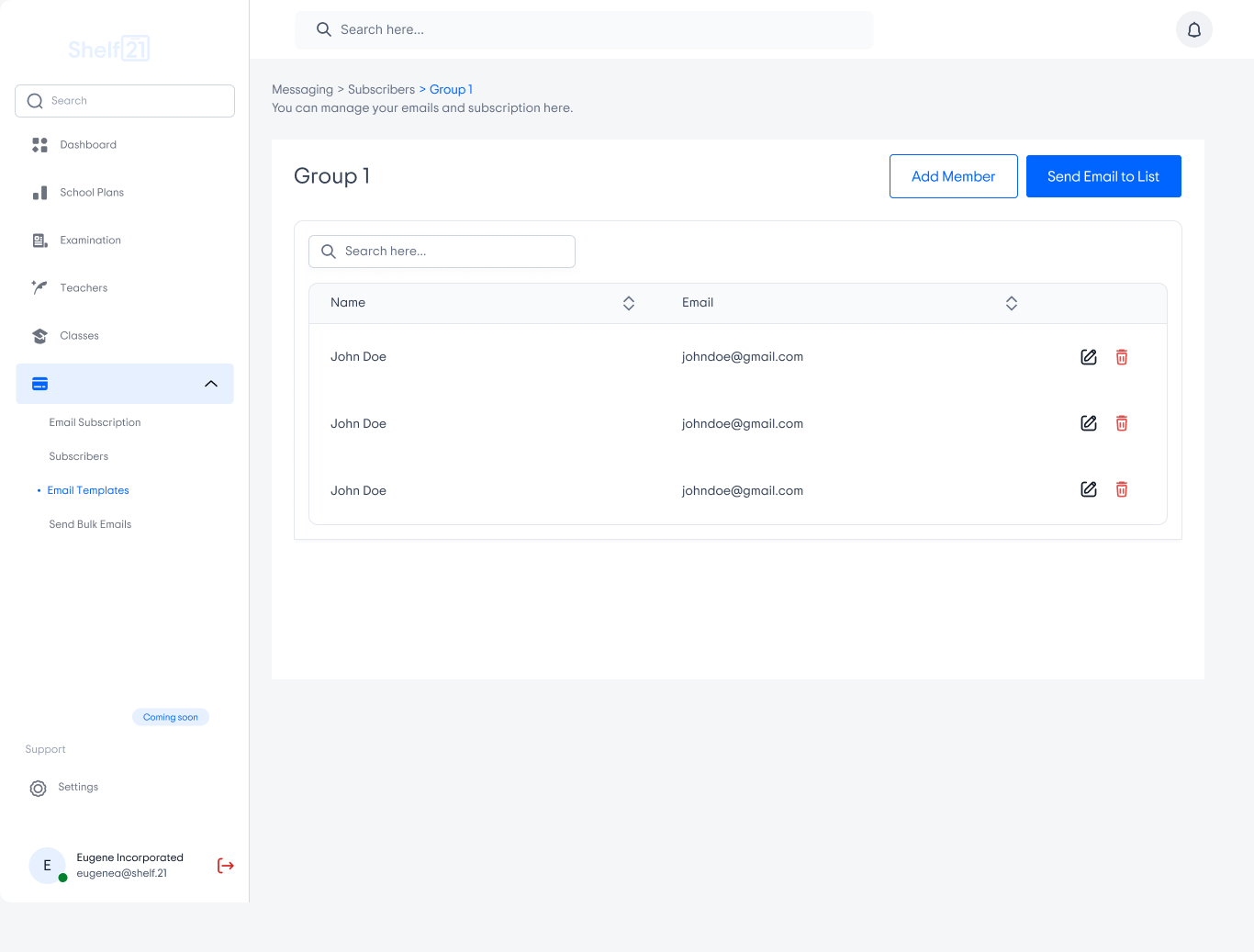
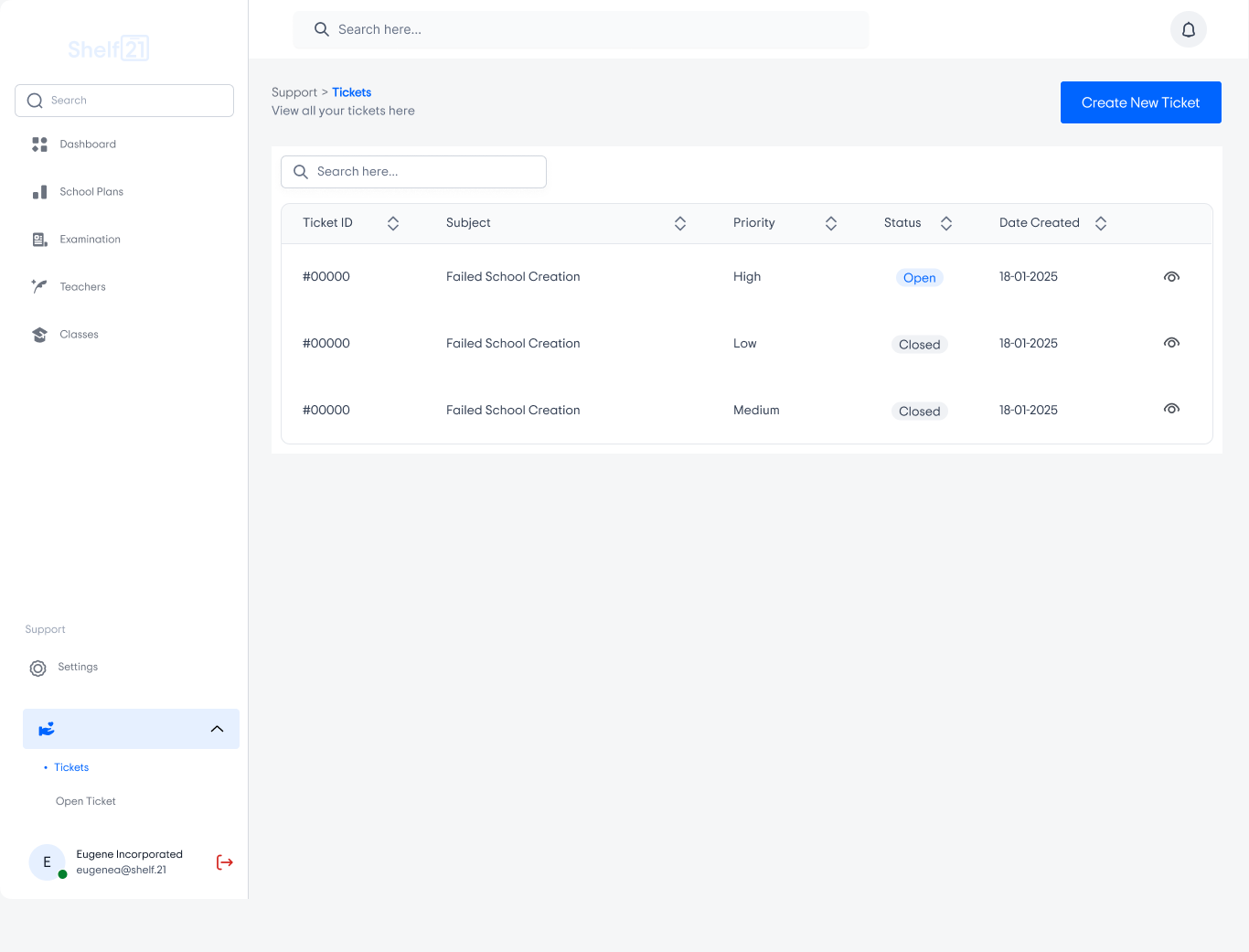
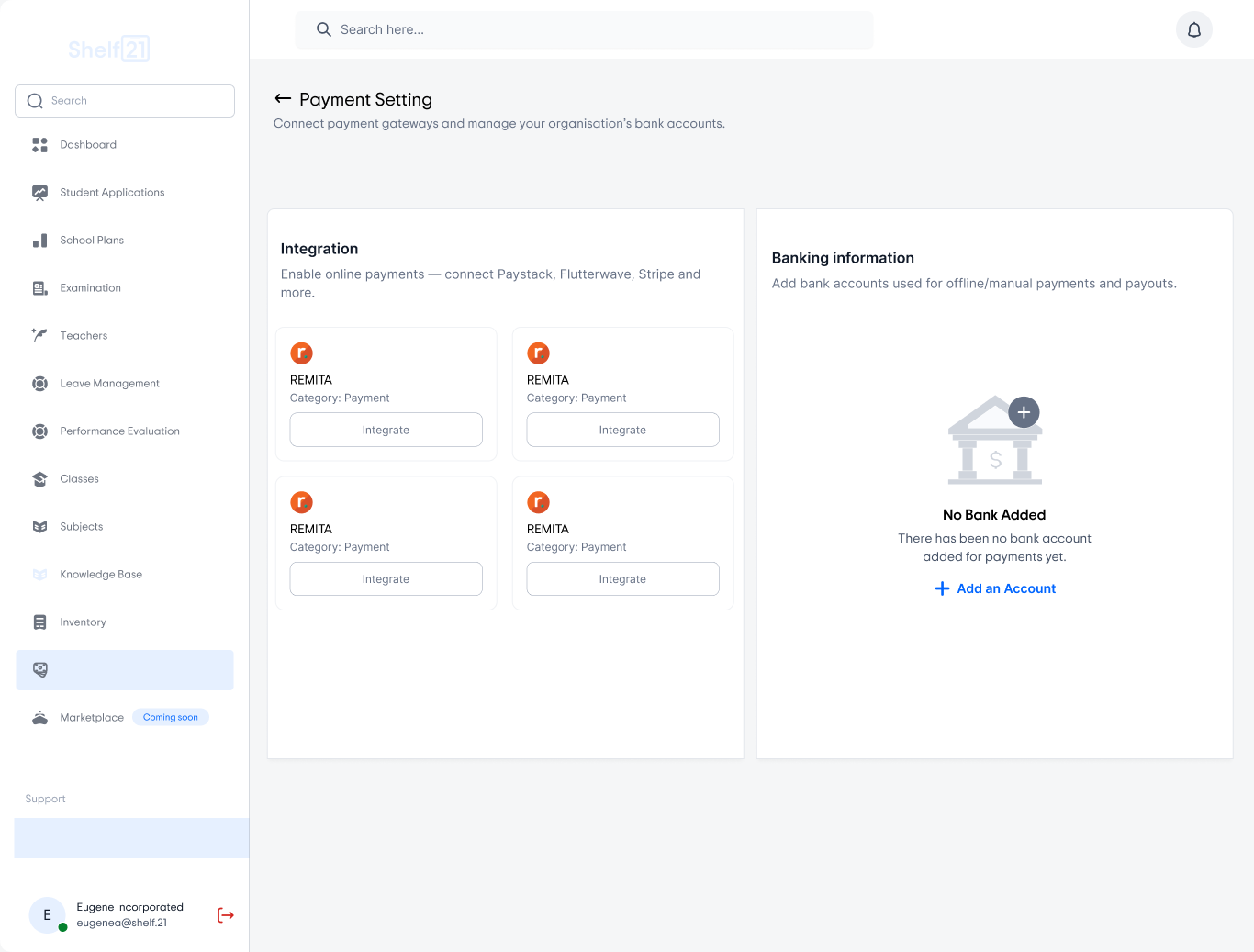
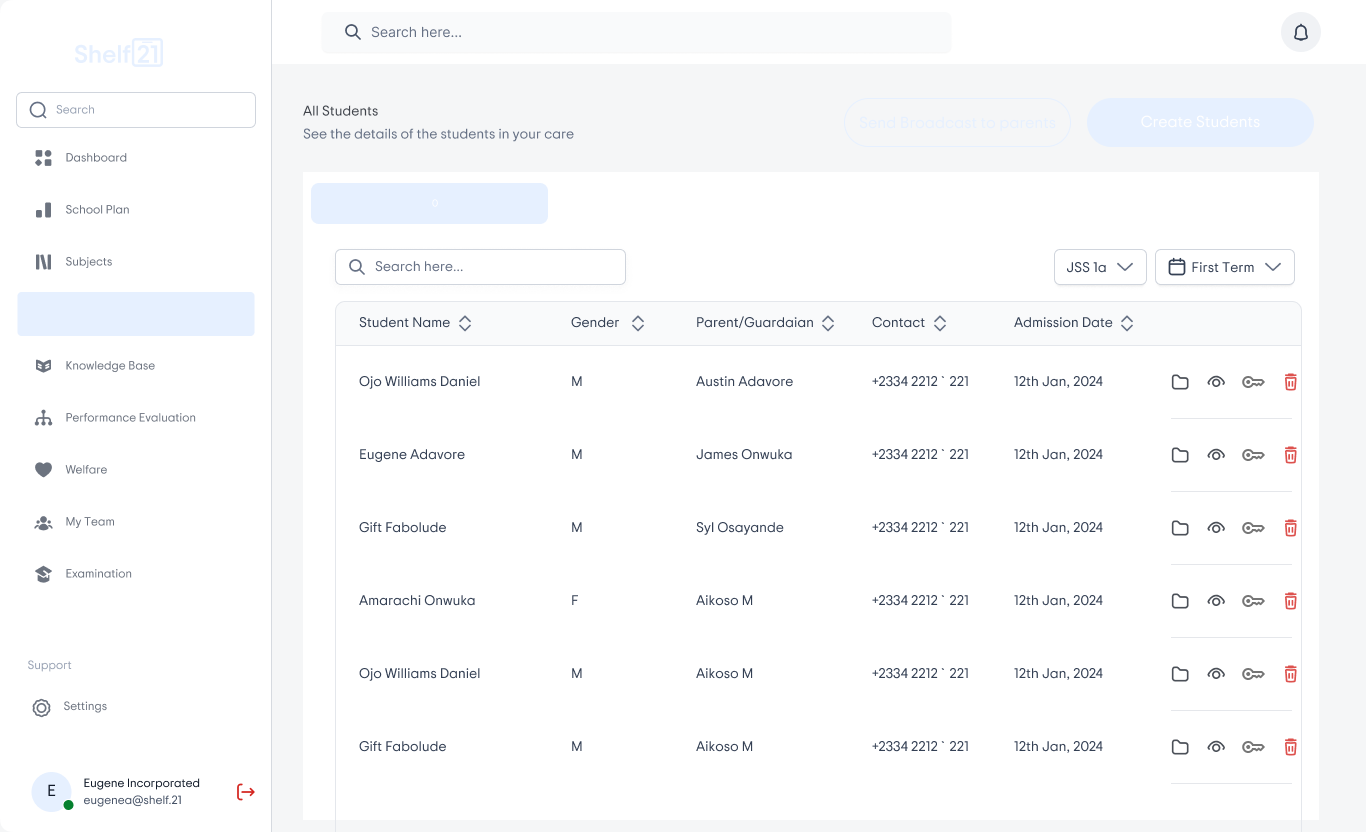
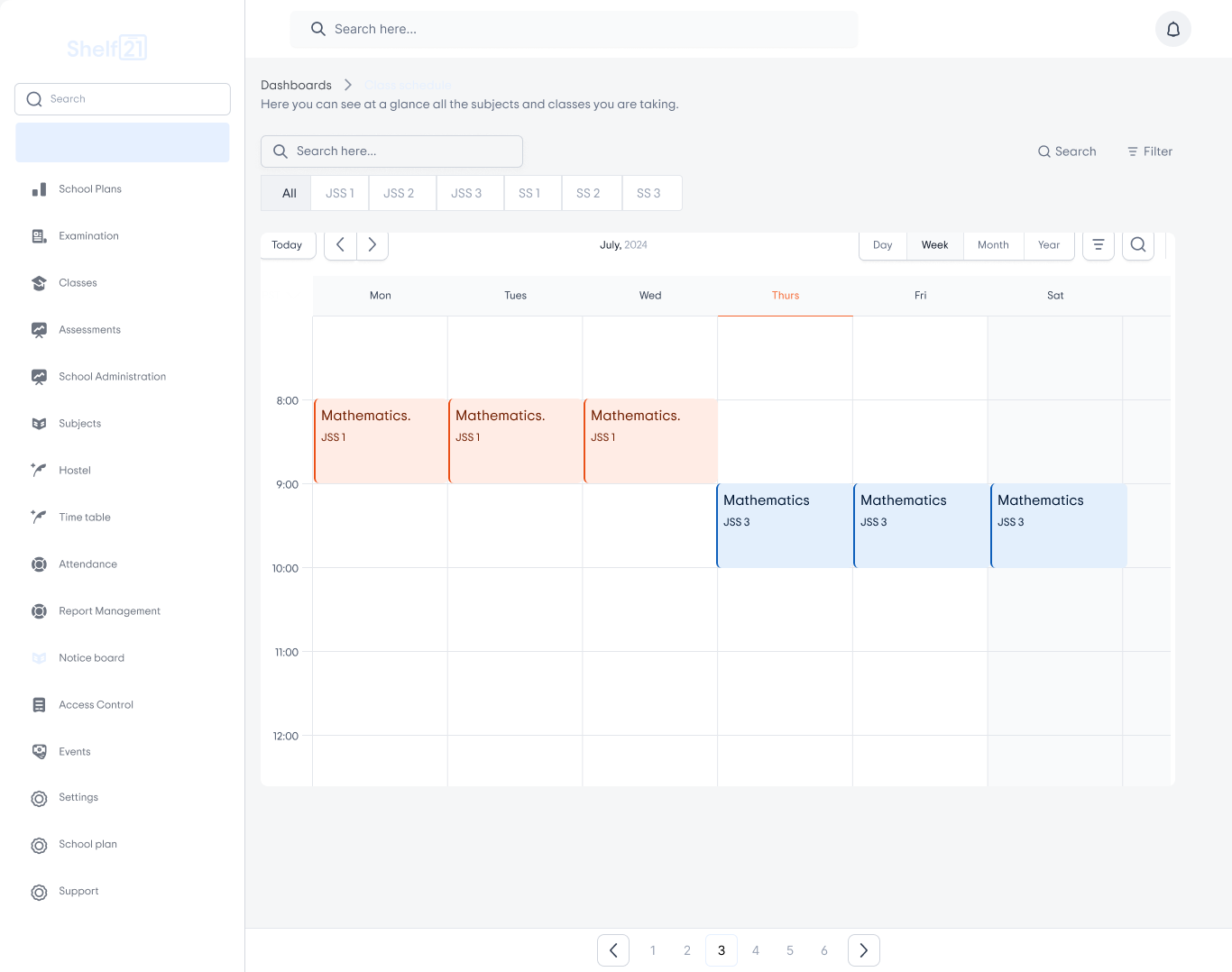
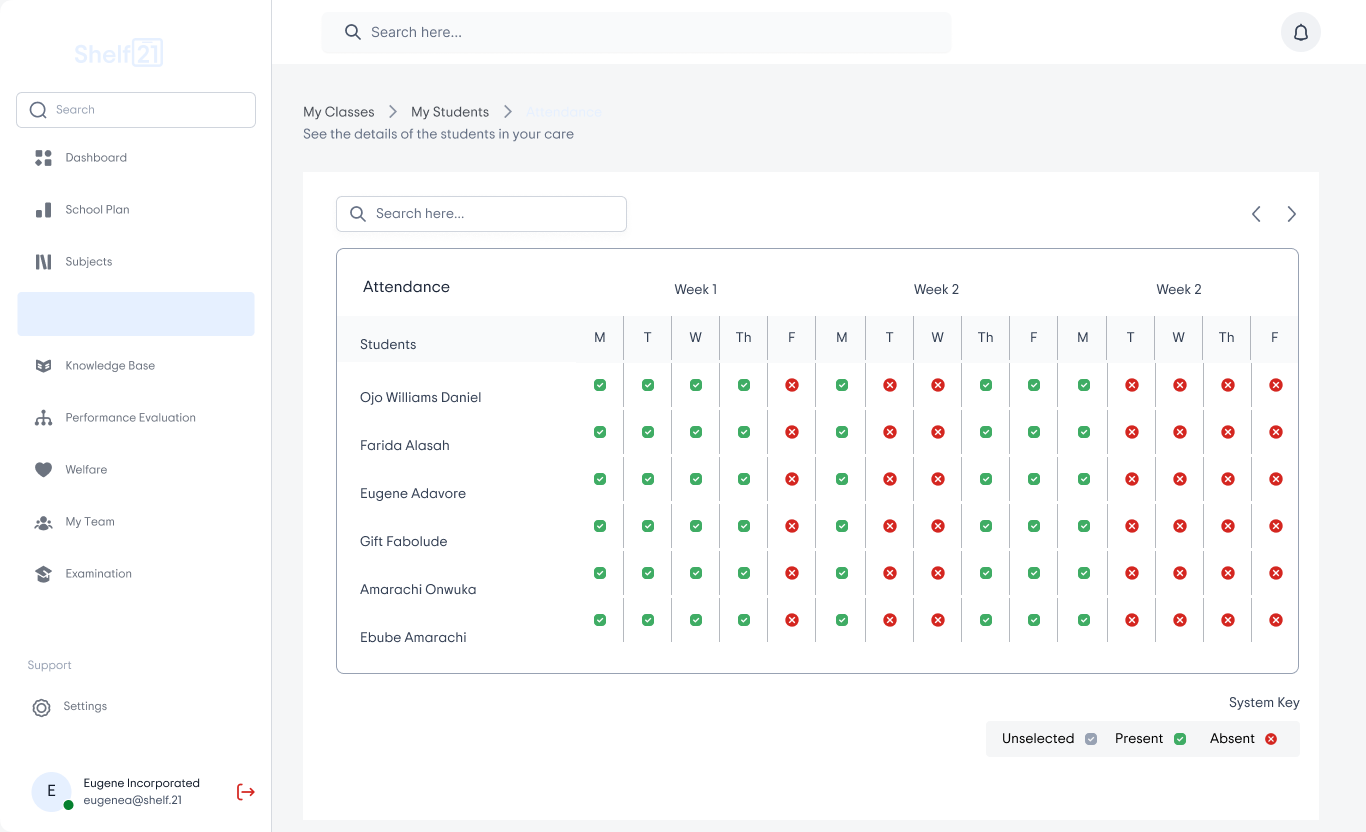
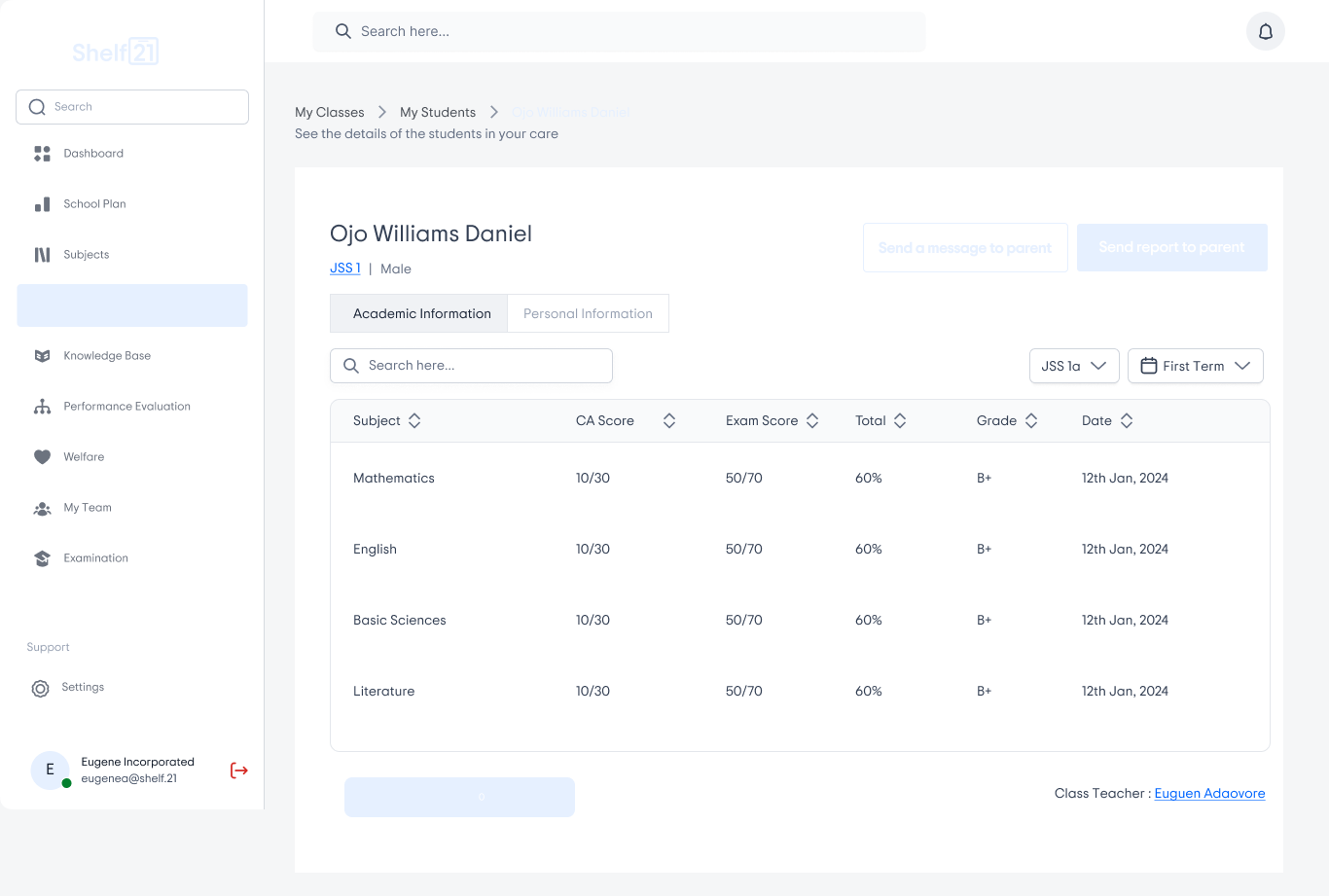
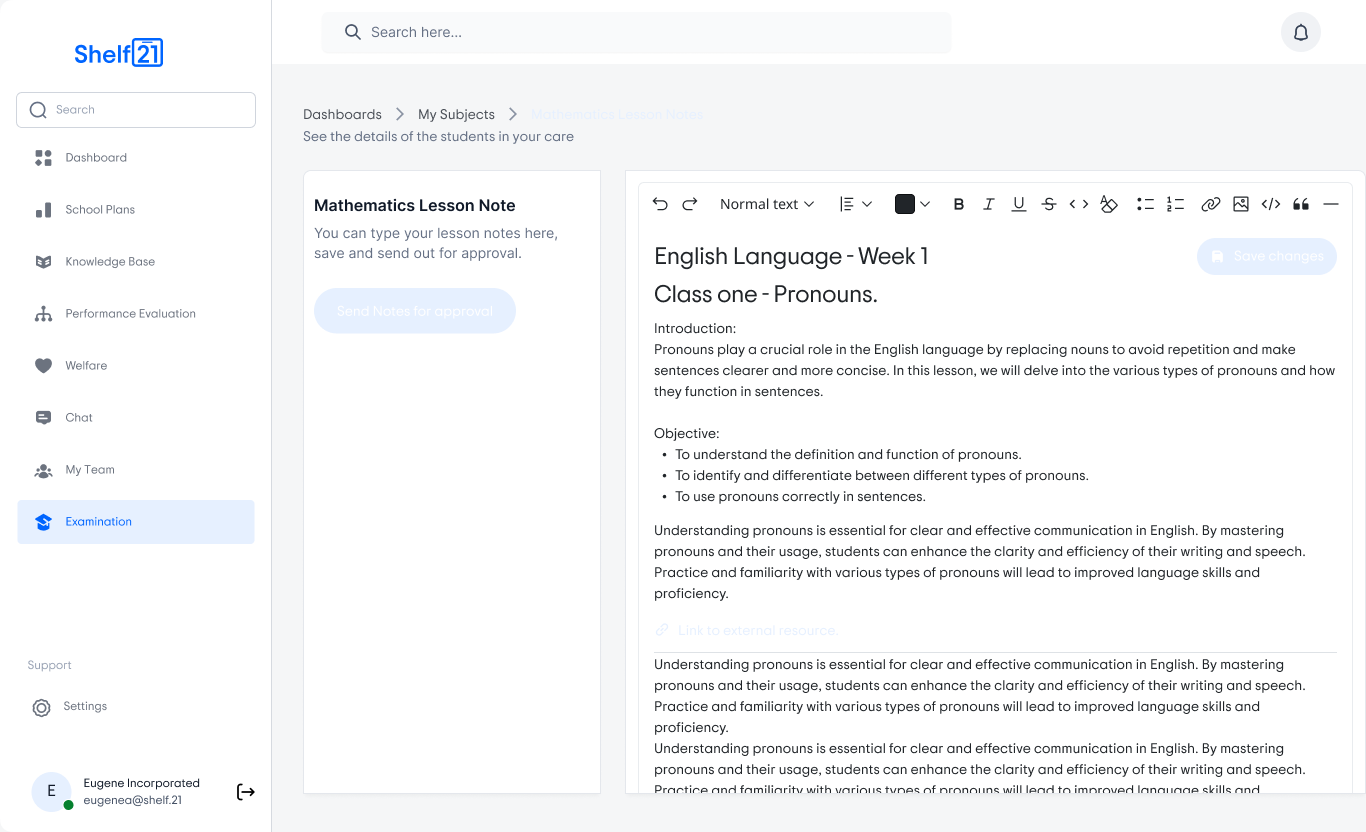
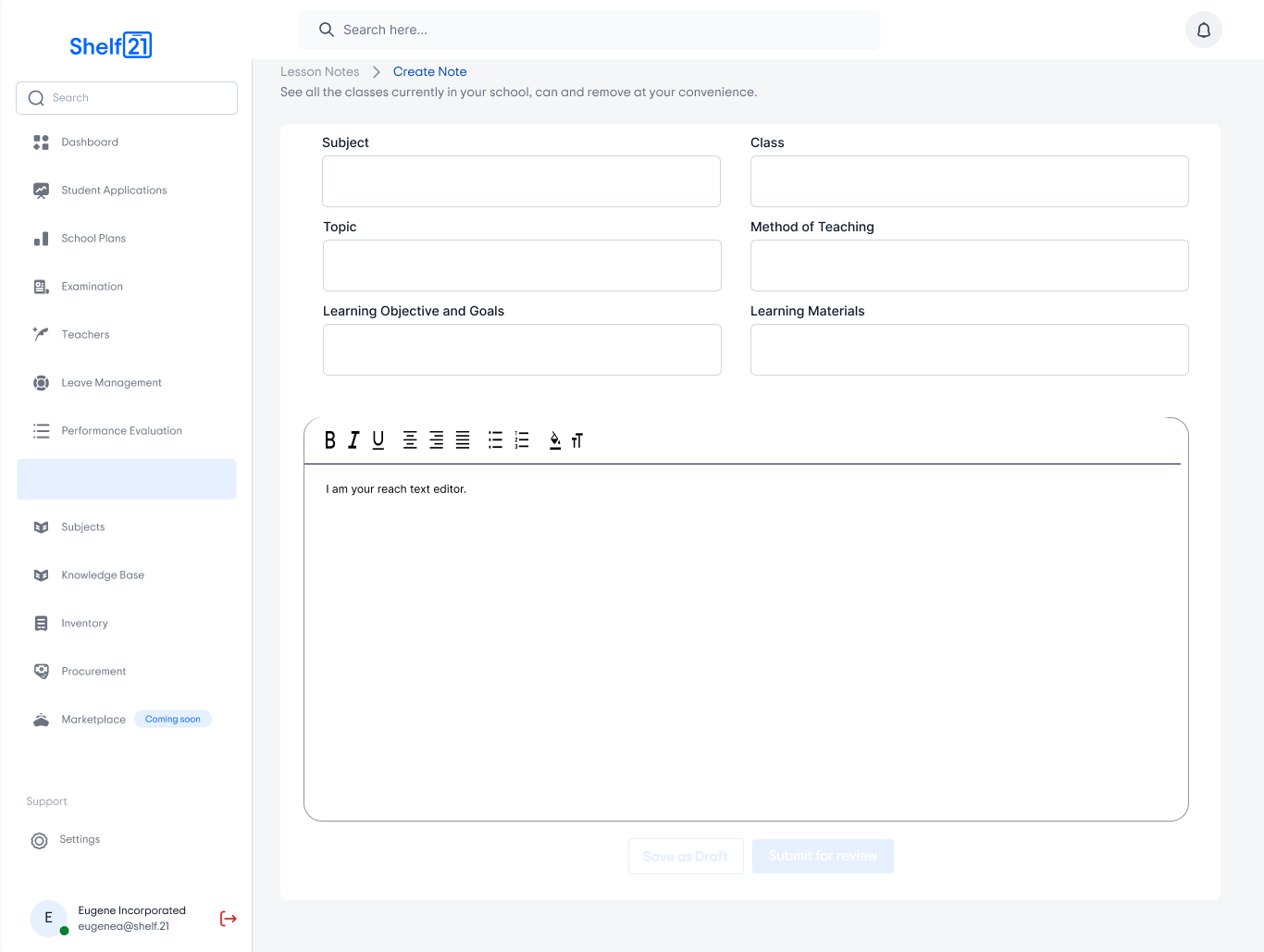
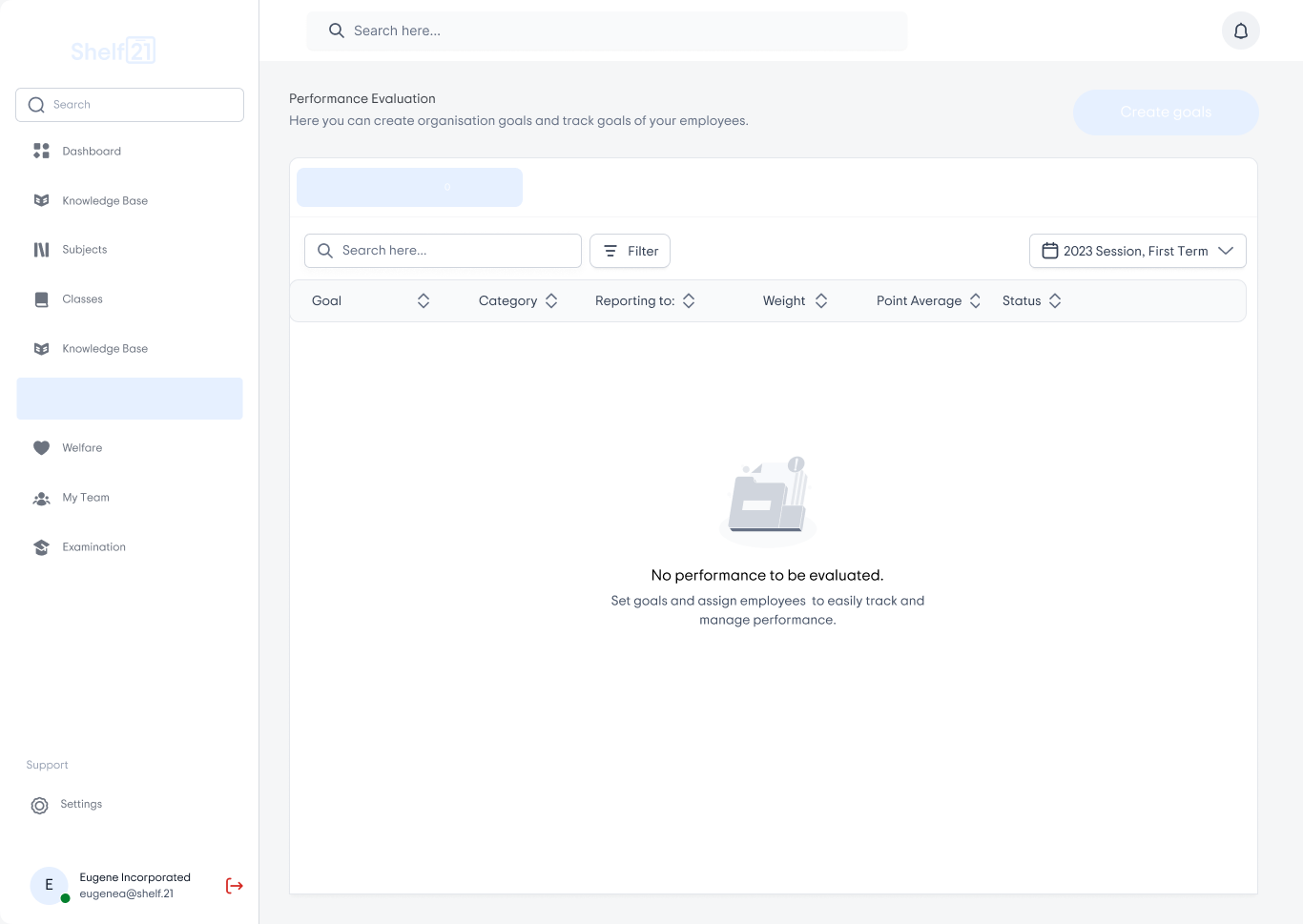
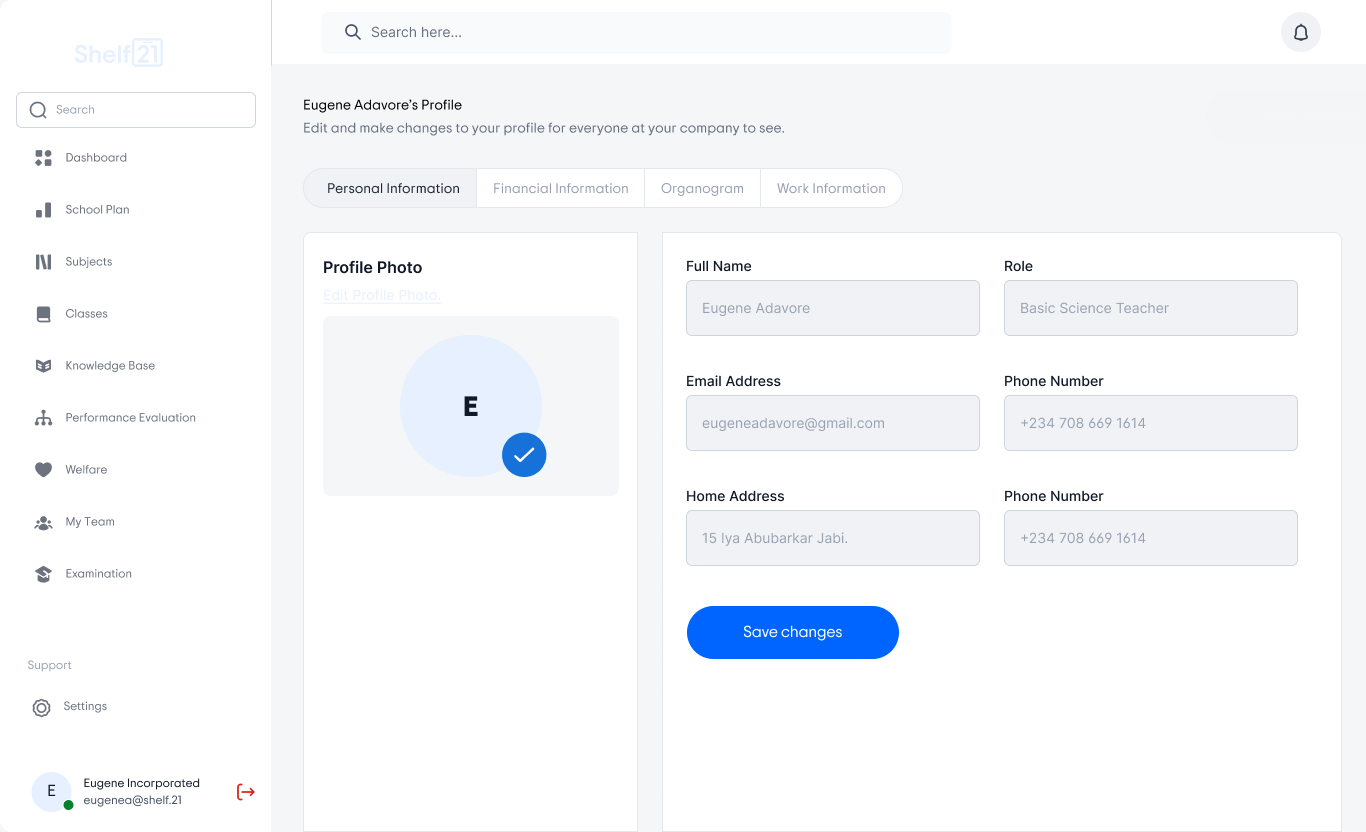
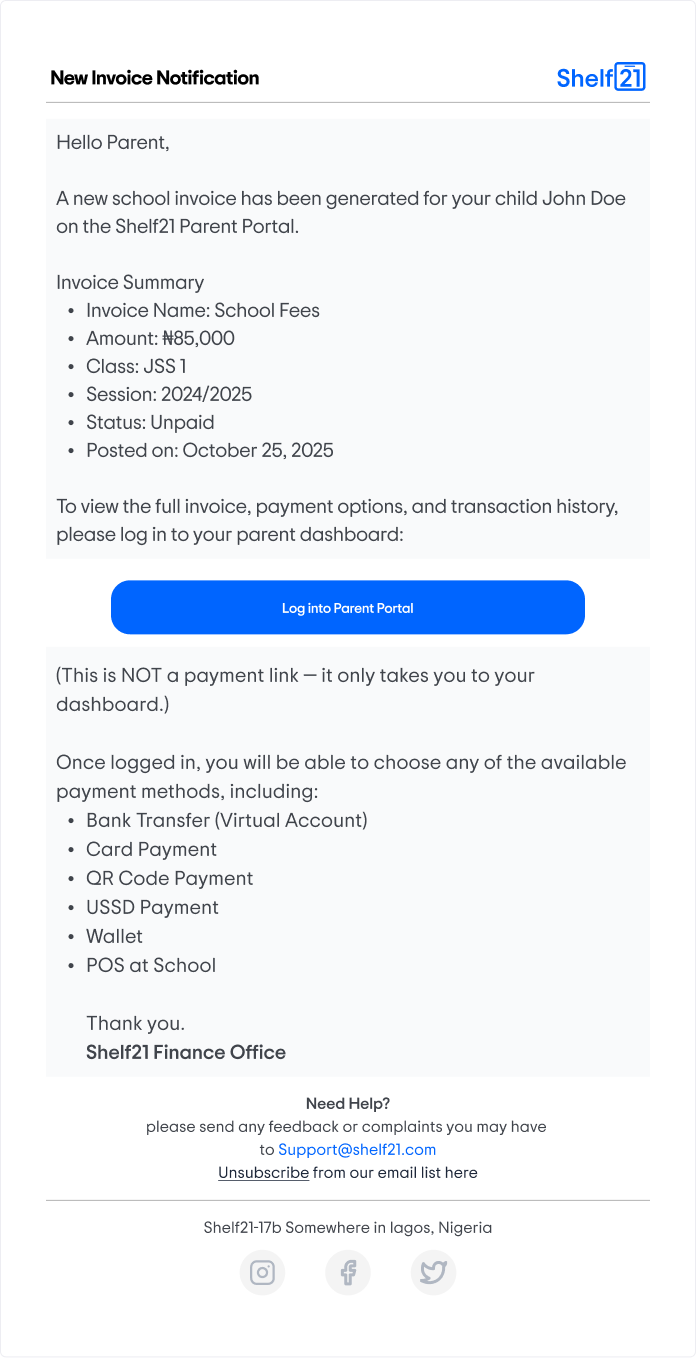
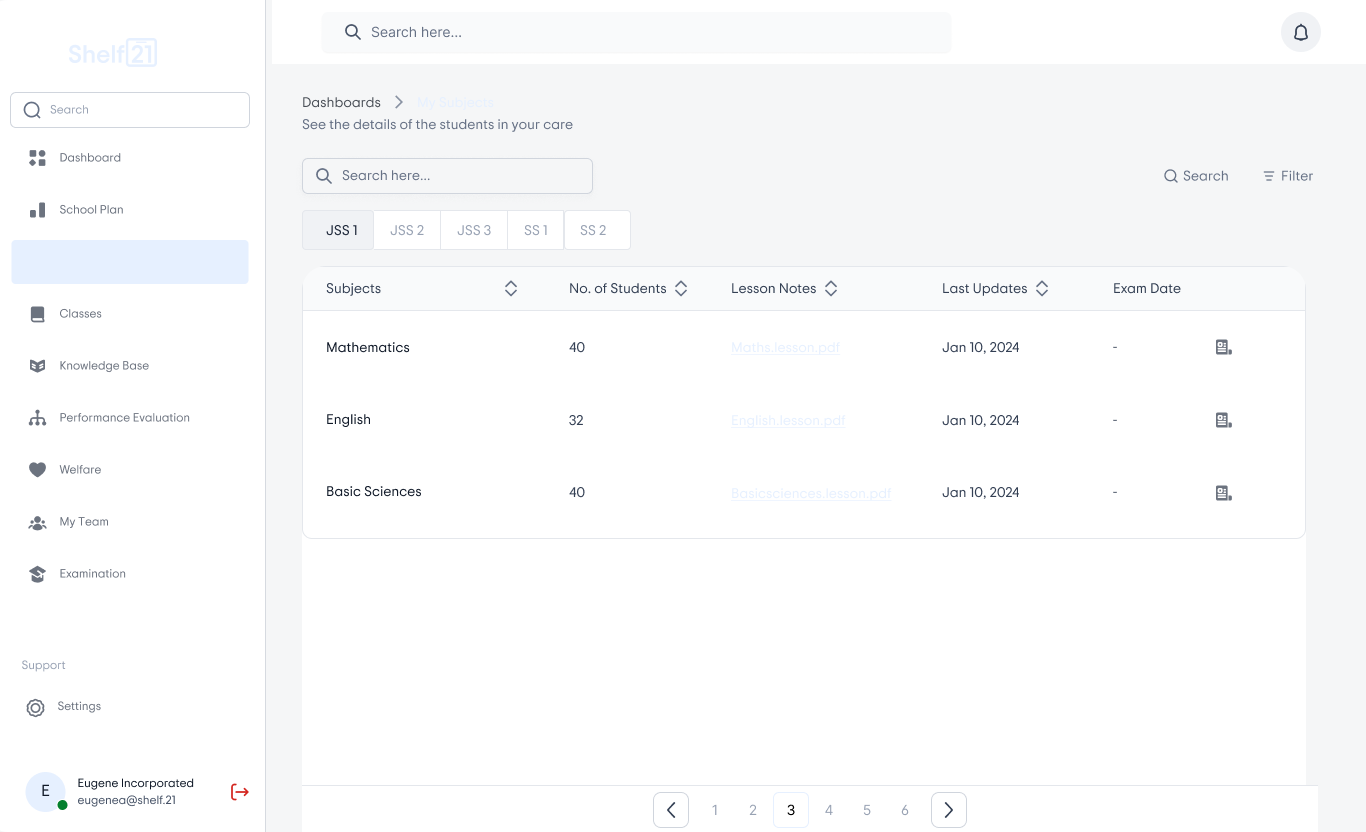
Screens grouped by role: Super Admin (platform-wide, across schools), School Admin (a single school's operations), Teacher, and Parent-facing touchpoints.

My Role

I designed the system, the screens, and the pitch that won stakeholder support.

As Product Designer at Shelf21, I worked alongside a co-designer and engineers to bring the platform to life. I led research with educators, parents, and admins, then translated that into role-specific wireframes and prototypes.

I also built the scalable design system the engineering team built against, collaborated closely with developers through implementation, and designed the pitch deck that helped secure stakeholder support for the project.

Collaboration & Handoff

Worked alongside a co-designer and engineers throughout implementation. The shared design system cut design-to-development turnaround by 24%.

05Business Impact

A design system that cut design-to-dev turnaround by 24%.
Reflection

Good design can speed up a team, not just a user.
Shelf21 sharpened how I think about design as a lever for team velocity, not just user experience. A well-structured design system cut design-to-development turnaround by 24%, which mattered to stakeholders as much as visual polish.

Working with a co-designer and an engineering team also taught me how much a clear stakeholder narrative (in this case, the pitch deck) can determine whether solid design work actually gets the resources to ship. If I were revisiting it, I'd build in more structure earlier for how the design system evolves as new roles and use cases get added.

More Work